What Beef Bone Marrow Means
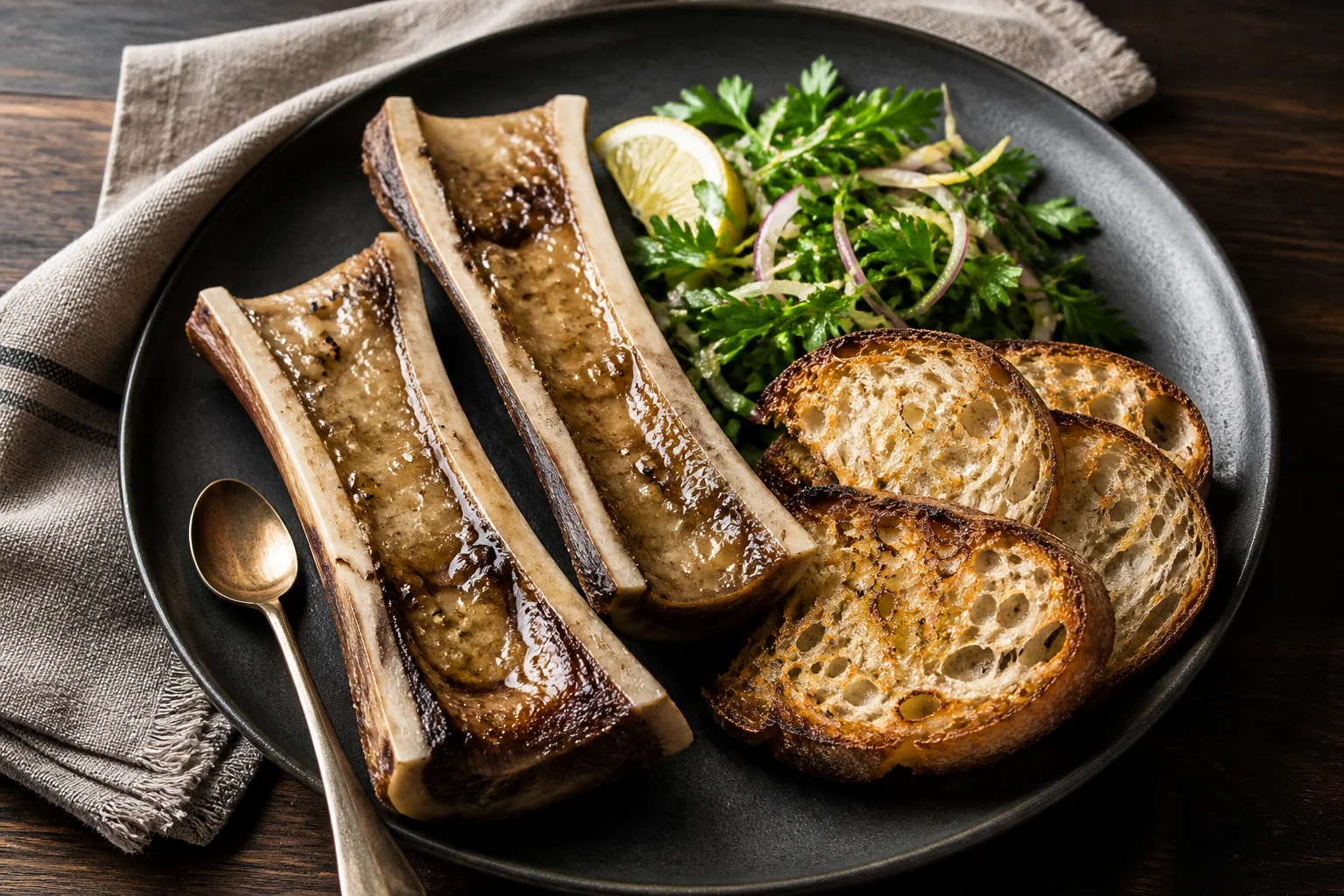
Beef bone marrow is the soft fatty tissue inside large beef bones, commonly femur or shank bones, exposed by cross-cutting into rounds or splitting lengthwise into canoes. The bone is the cooking vessel; the marrow is spooned out after roasting and served in small amounts. This is different from using roasted bones mainly to flavor stock.
That distinction matters because a familiar search phrase can hide several separate decisions: anatomical identity, processing, condition, portion format and cooking method. A precise guide names each one instead of treating an appealing photograph or broad label as evidence.
Use this page with the complete steak-cut directory when anatomy is the question, and with the steak cooking guide when thickness and heat control are the question. The temperature guide keeps culinary preference separate from official safety advice.
Names also move across countries, restaurants and butcher counters. When two labels appear similar, compare the actual muscle, fabrication and documented process. An alias can help a shopper find the product, but it should never be used to invent a grade, origin or safe-handling claim.
How to Choose Beef Bone Marrow
Ask for fresh or properly frozen marrow bones cut evenly through a clean food-safe saw. Canoes are easy to spoon and plate; cross-cut rounds are compact and hold the marrow more deeply. Inspect cold-chain condition, intact packaging and the full product name before comparing price. For online orders, include shipping, weight range, bone, trim and edible yield rather than comparing a headline price alone.
- Choose the format: Use canoe cuts for toast and cross-cuts for a compact appetizer or stock.
- Match thickness: Even bones finish together; very short rounds can lose marrow before taller pieces heat through.
- Inspect the cut: Avoid splintered edges and brush away bone dust with a clean damp towel rather than rinsing around the sink.
- Keep it cold: Treat marrow bones as raw beef and refrigerate or freeze promptly.
- Plan portions: A few spoonfuls are rich; buy by usable marrow and diners, not bone weight alone.
Color is only one clue because oxygen exposure, vacuum packaging and aging change beef appearance. A cold, intact package with a clear use plan is more informative than chasing one bright-red shade. Reject leaks, damaged seals and vague listings that cannot answer the practical questions above.
Compare like with like. Keep cut, portion format, grade, aging, net weight and required trimming constant before deciding that one option is a better value. A cheaper package may contain more bone, hard fat or connective tissue; a costly one may still be unevenly fabricated.
Use the Right Decision Framework
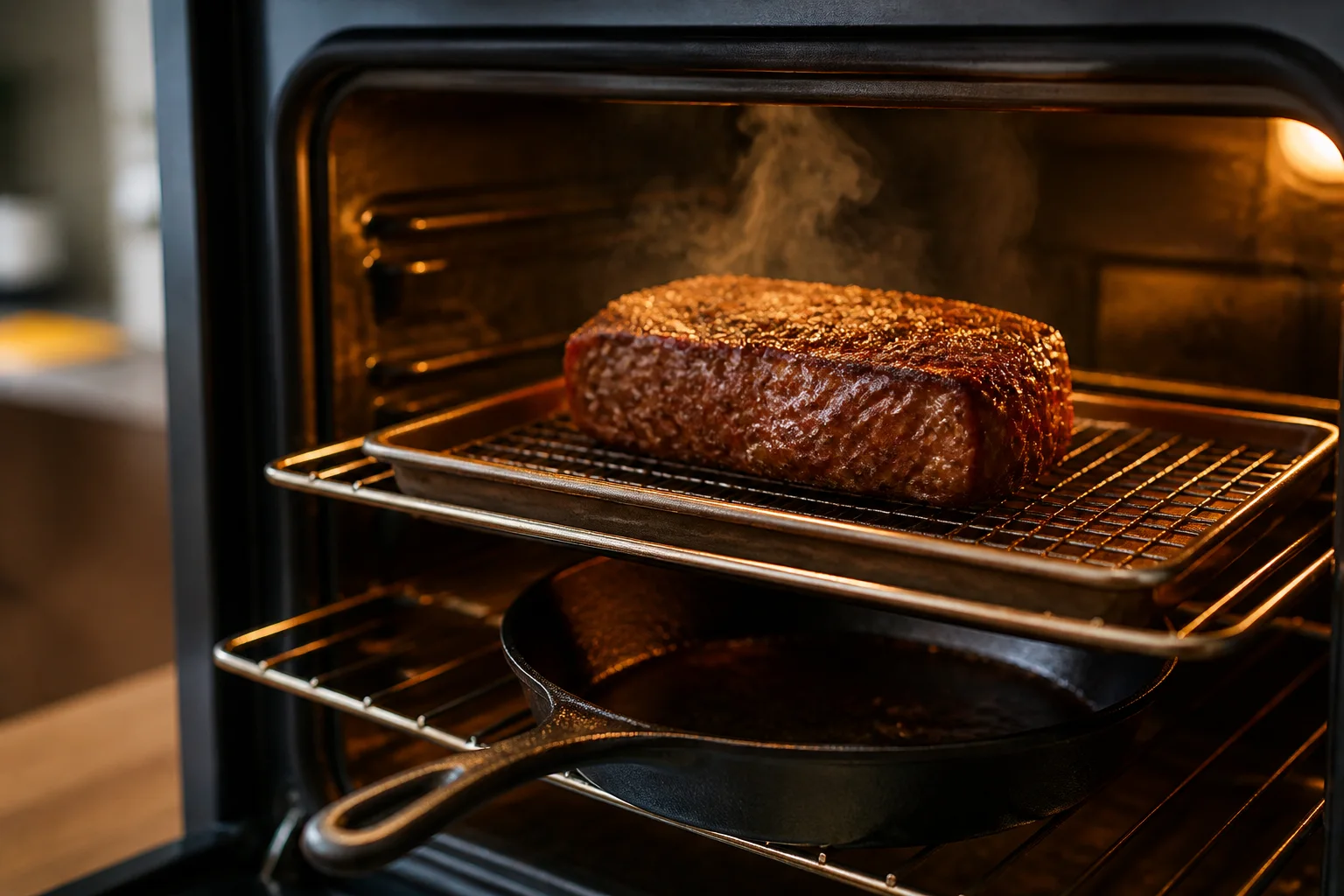
Roast marrow bones on a rimmed tray in a fully preheated hot oven until the marrow is puffed, glossy and bubbling but not completely rendered into the pan. Prepare toast and salad before the bones enter the oven. Write the serving time first, then work backward through preparation, cooking, resting or chilling, and final assembly. This prevents a delicate finish from waiting while a dense component catches up.
| Format | Advantage | Watch for |
|---|---|---|
| Canoe cut | Large exposed surface and easy spoon access | Fast rendering and possible spill |
| Cross-cut round | Compact presentation and deeper marrow | Uneven heights and harder access |
| Whole stock bone | Useful roasted-beef flavor for broth | Not a direct substitute for an appetizer cut |
A cooking time is a planning range, not proof of doneness. Real elapsed time changes with shape, starting temperature, equipment output, pan material, airflow and batch size. Begin checking early enough that moving to gentler heat can still correct the trajectory.
Preparation, Heat and Safety Control
Set bones level on a rimmed tray, roast without crowding and serve only from clean cooked-food utensils. The marrow should be hot throughout; follow seller directions because USDA does not publish a marrow-specific consumer endpoint in its standard chart. Keep raw beef and its packaging away from cooked food, wash hands and food-contact surfaces, and use a clean plate for the finished product. Do not rinse raw beef; splashing can spread contamination around the sink and nearby workspace.
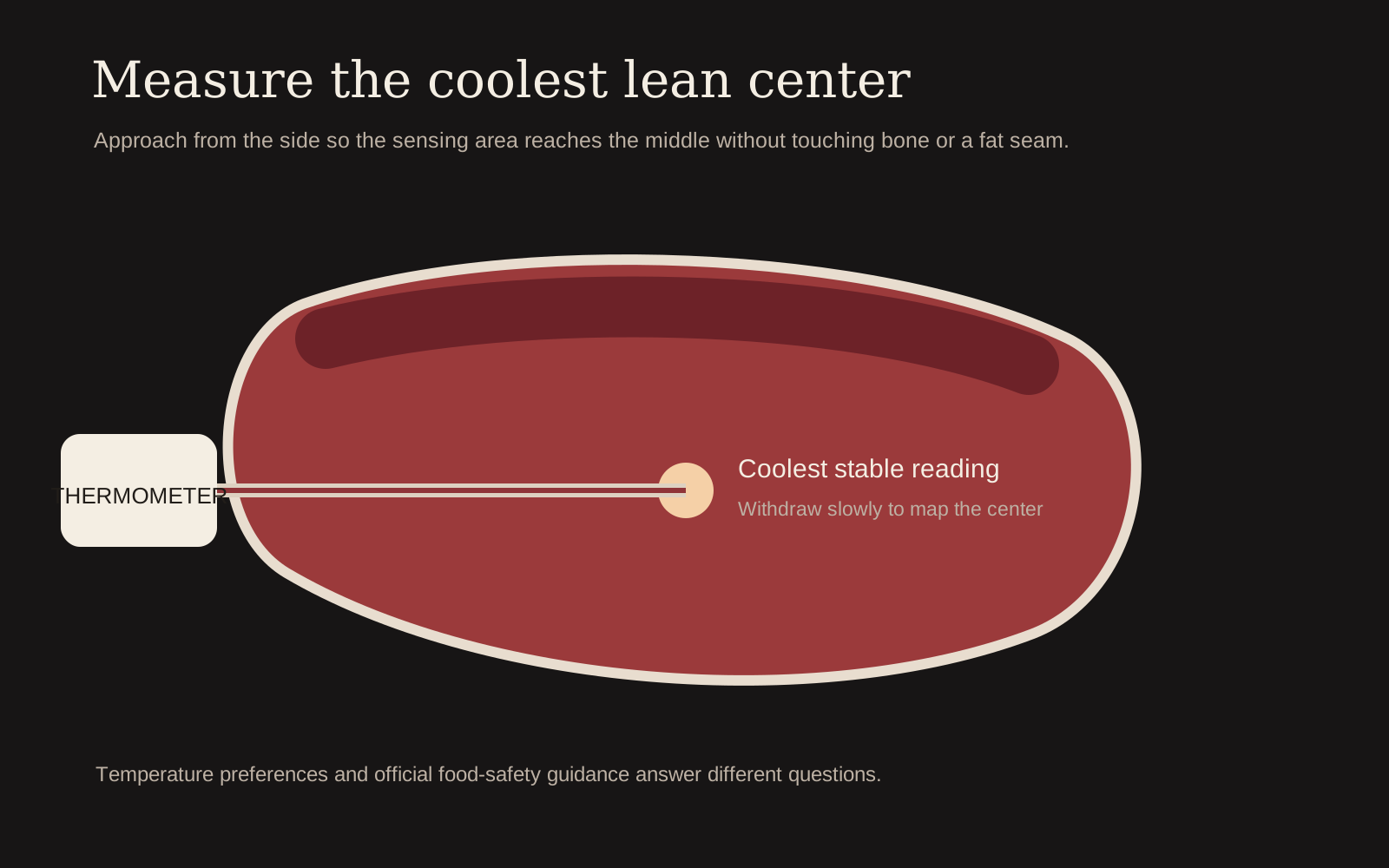
When temperature applies, insert the thermometer into the coolest central point without touching bone, a large fat pocket or the hot pan. Check multiple points in irregular pieces. Appearance, firmness and juice color cannot establish a safe internal temperature.
If a process intentionally avoids a conventional kill step—raw service, low-temperature drying or long aging—risk management becomes more demanding, not less. Salt, acid, freezing, color, smell or an expensive source does not automatically make raw beef pathogen-free.
Common Mistakes and Better Moves
The most common failure is leaving marrow in fierce heat until the cavities are nearly empty. The opposite problem—cool, waxy marrow—comes from uneven bones or an underheated oven. Most poor results trace to one of four mismatches: the wrong identity, unsuitable geometry, uncontrolled moisture or a heat schedule chosen from minutes rather than measurement.
- Buying the name instead of the product. Confirm cut, process, grade or origin rather than assuming the short label establishes all four.
- Changing several variables together. A new cut, pan, thickness and temperature cannot produce a useful comparison when all change at once.
- Ignoring edible yield. Bone, exterior fat, aging trim and connective seams can change the true serving cost.
- Starting without a clean finish station. Prepare the resting rack, serving board, thermometer and garnishes before raw beef reaches the cooking area.
- Using aroma as a safety test. Harmful organisms cannot reliably be seen, smelled or tasted; time, temperature and validated process controls matter.
Serving, Storage and Leftovers
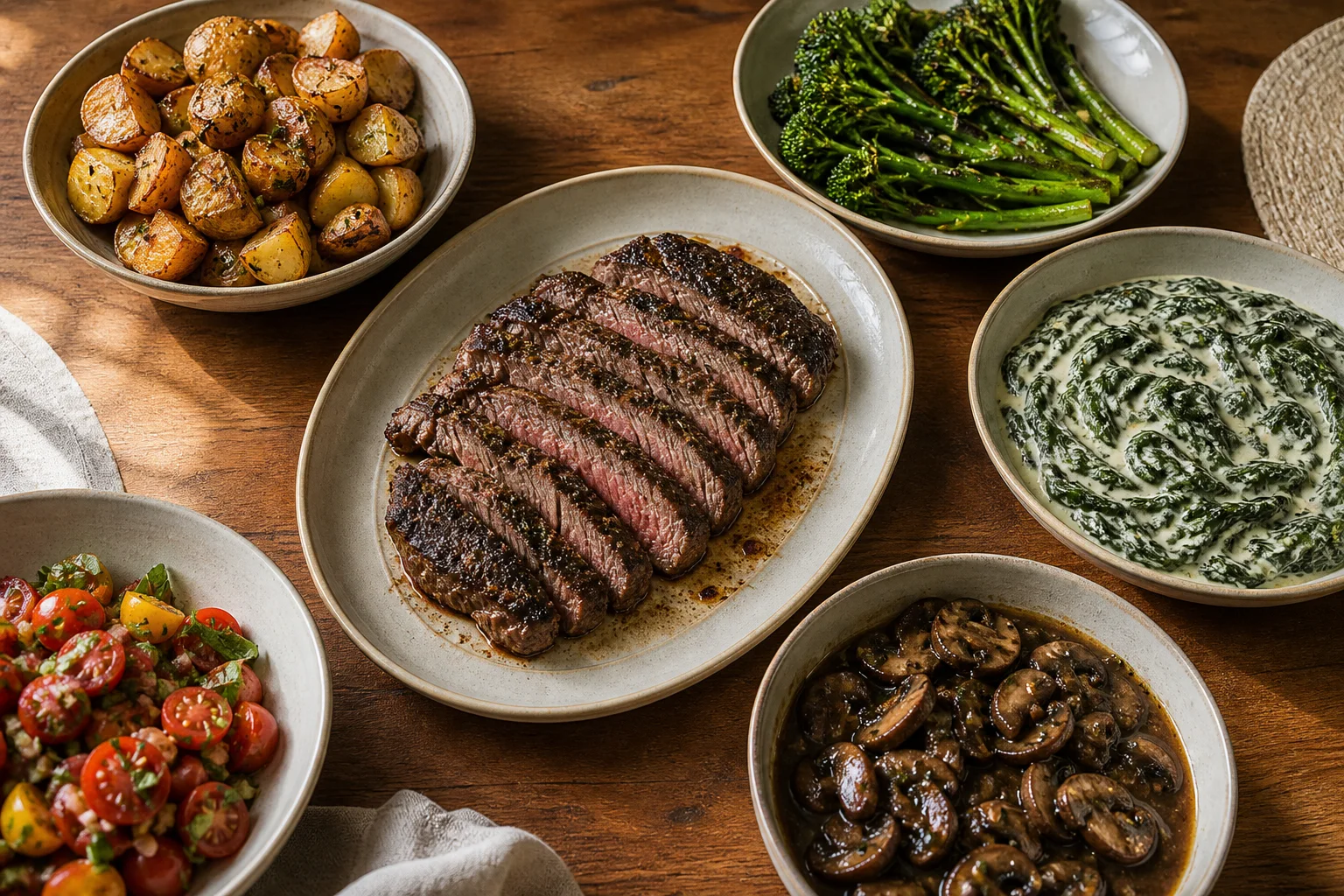
Serve immediately with thin crisp toast, parsley, capers, pickled shallot or lemon. Acid and bitterness make the rich marrow clearer rather than merely adding more fat. Taste the complete bite before adding more salt, rich sauce or fat. The strongest plate usually combines beef with contrast: acid, fresh herbs, bitter greens, crisp vegetables or a plain starch that carries juices without hiding the product.
Cook only the bones needed. Chill leftover cooked marrow promptly, cover and refrigerate; reheat leftovers to 165°F and expect some additional rendering. Refrigerate perishable food promptly in shallow covered containers. USDA guidance calls for reheating leftovers to 165°F. Keep wet components away from crisp surfaces and slice only what is needed when that improves quality.
Build the next meal from the same decision sequence: identify, verify, prepare, control and measure. Continue with steak side dishes, beef roast cuts, oven baked steak, steak temperature, steak sauce, steak dinner ideas for related cuts, methods, serving ideas and safety references.
The goal is not to turn every beef product into the same steakhouse plate. It is to preserve the attribute that makes this product useful while controlling the variable most likely to ruin it—tough connective tissue, excess rendered fat, surface moisture, raw-service risk, timing or storage.
Where This Guide Fits
This page supports the broader Types of Beef Roasts guide. Use that pillar page for the complete cut family, buying framework and links to every closely related article.
Useful next reads include Beef Belly, steak cuts, and Oven-Baked Steak for nearby cuts, methods and decisions.
Frequently Asked Questions
What is beef bone marrow?
Beef bone marrow is the soft fatty tissue inside large beef bones, commonly femur or shank bones, exposed by cross-cutting into rounds or splitting lengthwise into canoes.
How should I choose beef bone marrow?
Ask for fresh or properly frozen marrow bones cut evenly through a clean food-safe saw. Canoes are easy to spoon and plate; cross-cut rounds are compact and hold the marrow more deeply.
What is the most important practical step?
Set bones level on a rimmed tray, roast without crowding and serve only from clean cooked-food utensils. The marrow should be hot throughout; follow seller directions because USDA does not publish a marrow-specific consumer endpoint in its standard chart.
How should it be served?
Serve immediately with thin crisp toast, parsley, capers, pickled shallot or lemon. Acid and bitterness make the rich marrow clearer rather than merely adding more fat.
Sources & further reading
- Beef. It's What's For Dinner — Beef Bones — Beef Checkoff cut identity and roasting reference for marrow bones.
- USDA FSIS — Beef From Farm to Table — Official beef handling, cooking, aging and storage guidance.
- USDA FSIS — Safe Minimum Internal Temperature Chart — Official consumer cooking-temperature and rest guidance.