The Best Place Depends on What You Need
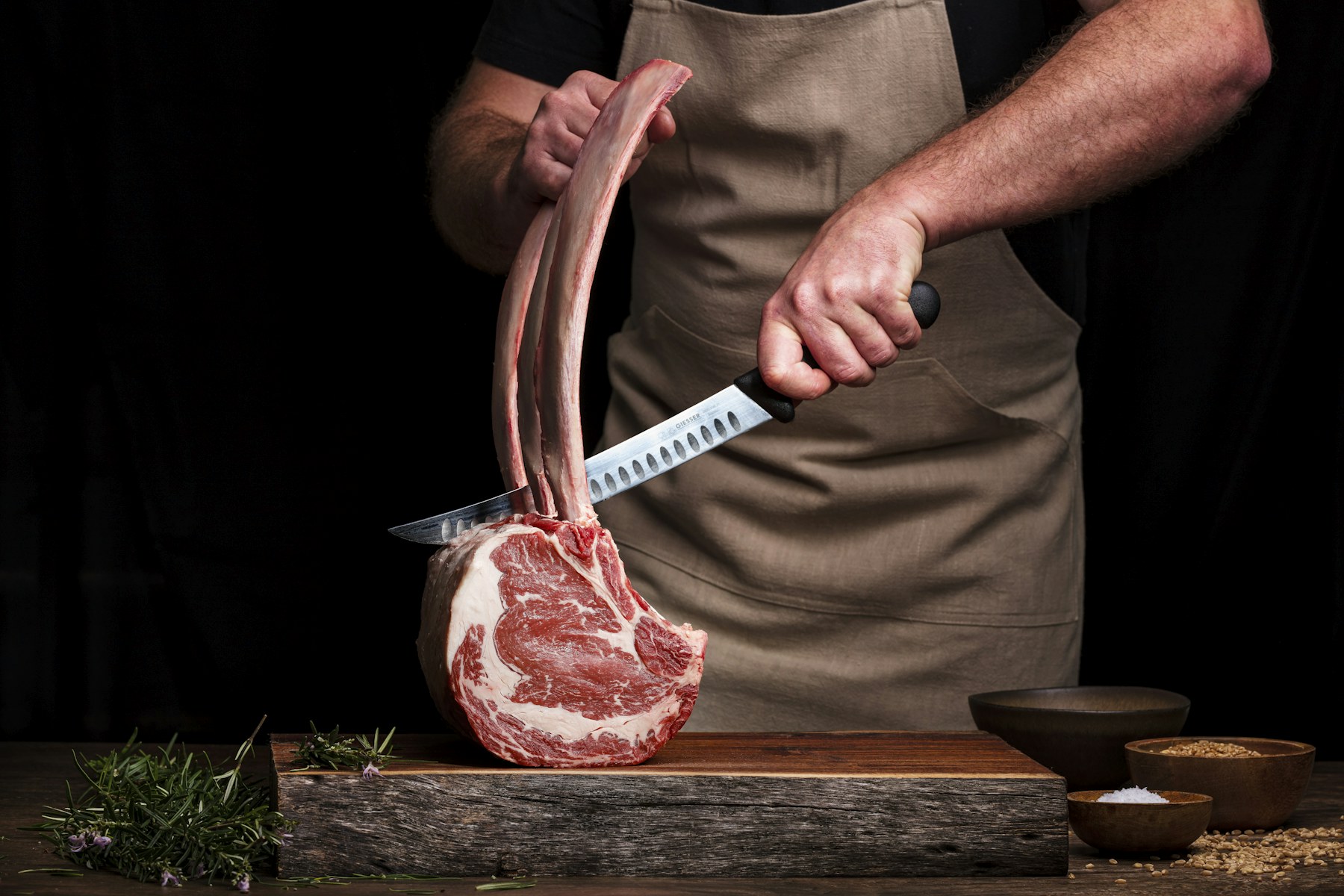
A local butcher is strongest when you want a specific thickness, a shorter bone or advice about an individual carcass. A high-end grocery may offer convenience and visible packaged grade. Warehouse clubs can be useful for larger formats when available, while online specialists expand access to dry-aged, breed-specific or unusually thick steaks. Stock changes constantly, so this guide does not claim any named retailer has a steak today.
Before shopping, learn which visual features matter in the tomahawk guide and which labels affect cost in the tomahawk price guide.
Local Butcher, Grocery or Online?
| Channel | Strength | Trade-off | Best question |
|---|---|---|---|
| Independent butcher | Custom thickness and direct advice | Selection and hours vary | Can you show me two cuts from different ends of the rib? |
| Specialty grocer | Convenience and labeled packages | Less fabrication flexibility | Is this fresh or previously frozen? |
| Warehouse club | Potential volume value | Large packs and intermittent stock | What grade and pack date are shown? |
| Online meat seller | Broader origin and aging options | Shipping cost and no in-person inspection | Is listed weight a range, and how is it shipped? |
Buying Checklist
- Even thickness—preferably around two inches or more for a reverse sear.
- Fine marbling across the eye and a substantial cap.
- Clear grade, origin and aging claims rather than vague premium language.
- Total weight, expected range and whether that includes a very long bone.
- Fresh, frozen or previously frozen status.
- For delivery: carrier, insulation, arrival temperature policy and replacement process.
Fresh vs Frozen and Shipping
Properly frozen beef can be excellent. What matters is rapid, protected freezing, intact packaging and refrigerator thawing. An online steak may arrive hard-frozen or cold with dry ice depleted; follow the seller's documented acceptance criteria and never use meat that arrived warm or with damaged packaging.
When Premium Options Make Sense
Dry-aged beef is a different flavor experience, not a simple quality upgrade. Highly marbled Wagyu tomahawk is richer and may be better shared in smaller portions. If the seller cannot explain origin and grading, a premium label is not enough.
The Five-Minute Seller Conversation
A useful butcher conversation is specific and brief. State the serving date, cooking equipment and desired thickness. Ask for grade, aging method, fresh or frozen status and approximate total weight. Then ask to see the cut from the side; an overhead view can hide a strong taper.
For online orders, save the product description and shipping policy at purchase. Weight ranges should be clear, and photography should be representative rather than a promise of the exact marbling pattern. Confirm whether delivery is weekday-only and whether the seller sends tracking early enough to protect the cold chain.
At arrival, examine the external box before opening, then follow the seller's documented temperature and packaging criteria. Take photographs if a seal is broken or the product seems outside policy. Move acceptable frozen beef directly to the freezer or begin a refrigerator thaw with enough time. The tomahawk cooking guide begins only after that cold-chain responsibility is complete.
Specify the Steak You Need
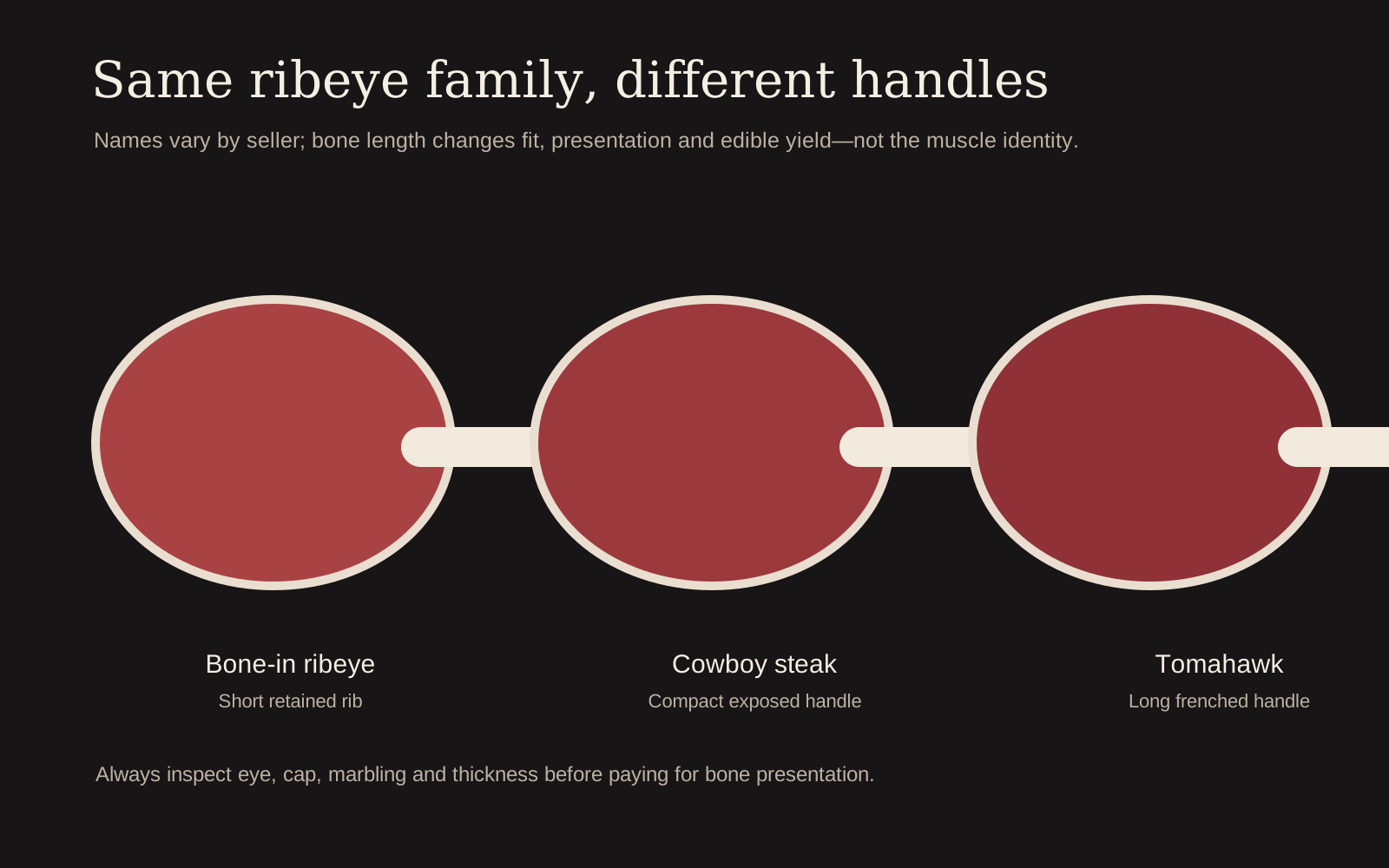
Give the butcher a cooking requirement rather than only a target weight. State the number of diners, desired thickness, bone-length limit and whether it must fit a particular skillet or grill. Thickness predicts method better than pounds; bone and exterior fat can change weight without enlarging the center.
| Question | Useful answer | Warning sign |
|---|---|---|
| What grade or program is this? | Named grade, origin or branded specification | Only “premium” or “restaurant quality” |
| How was it aged? | Wet- or dry-aged with relevant detail | A day count without a process |
| Fresh or previously frozen? | Direct condition and handling answer | Evasion or damaged packaging |
| Can I see the cut face? | Actual steak or representative side view | Only long-bone lifestyle photography |
Manage Online Delivery as Part of the Purchase
Read the seller's shipping days, carrier policy, packaging method and replacement criteria before checkout. Send the box to an address where someone can receive it, especially during hot weather. Tracking should be treated as a food-handling tool, not merely an order-status convenience.
On arrival, inspect the outer box and product seal, then follow the seller's documented condition and temperature policy. Photograph damage before discarding packaging. Move acceptable frozen product directly to the freezer or thaw it on a tray in the refrigerator; do not leave a large steak on the counter to speed the process.
Choose the Seller by the Job
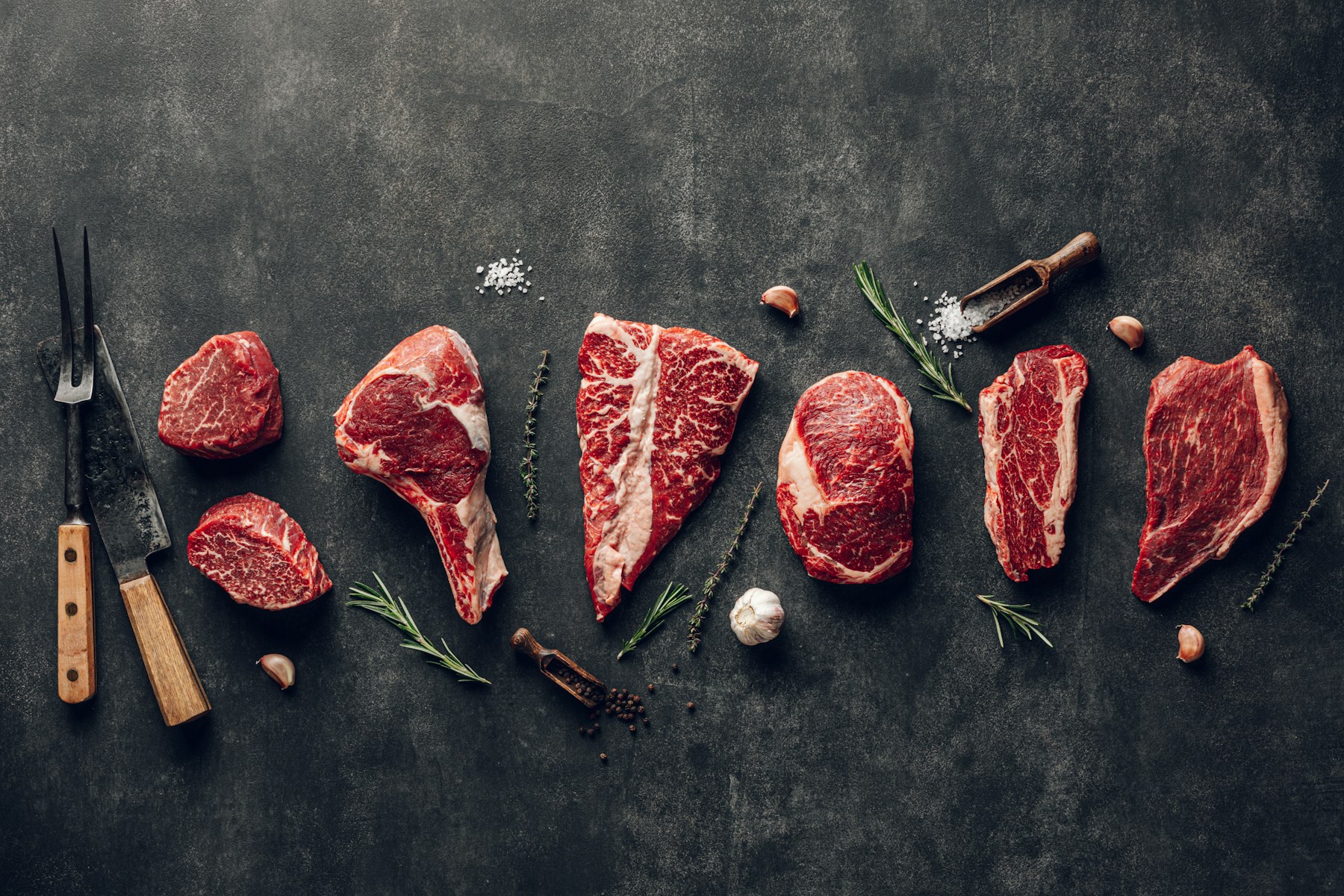
A local butcher is strongest when you need exact fabrication, advice tied to your equipment or a chance to inspect the cut. A supermarket can offer straightforward value when turnover is high and labels are clear. An online specialist is useful for a documented program unavailable locally, but shipping and weight ranges make comparison more complicated.
Do not assume frozen means inferior. Rapid professional freezing and an intact cold chain can preserve an excellent steak, while a poorly held fresh steak can disappoint. Ask direct questions, then buy from the seller whose answers are specific enough to verify.
Once the steak is secured, use the complete tomahawk method guide rather than relying on the short promotional recipe printed on a product page.
Apply the Same Cold-Chain Test to Any Online Tomahawk
A tomahawk adds an unusually long bone to ordinary mail-order questions. Compare landed cost per edible ounce, exact steak weight, thickness, bone length, grade, package count, shipping promise and the warm-arrival remedy before paying.
Use the complete online steak delivery checklist to inspect the cold chain when the box arrives. Photograph damage, open it promptly, verify that the steaks are frozen or below 40°F and contact the seller instead of tasting any warm suspect meat.
Where This Guide Fits
This page supports the broader Tomahawk Steak guide. Use that pillar page for the complete cut family, buying framework and links to every closely related article.
Useful next reads include How to Cook Tomahawk Steak, Tomahawk Steak Recipe, Smoked Tomahawk Steak, Ribeye Steak, and Cowboy Steak for nearby cuts, methods and decisions.
Frequently Asked Questions
Can a butcher cut a tomahawk to order?
Often, if the butcher has an appropriate bone-in rib section. Call ahead and specify thickness, bone length and grade.
Is frozen tomahawk steak bad?
No. Properly frozen, sealed and thawed beef can retain excellent quality. Packaging integrity and cold-chain handling matter.
What thickness should I request?
Around two inches or more suits a reverse sear and is typical of the cut, but make sure it fits your equipment and serving plan.