Steak Guides
Steak Temperature
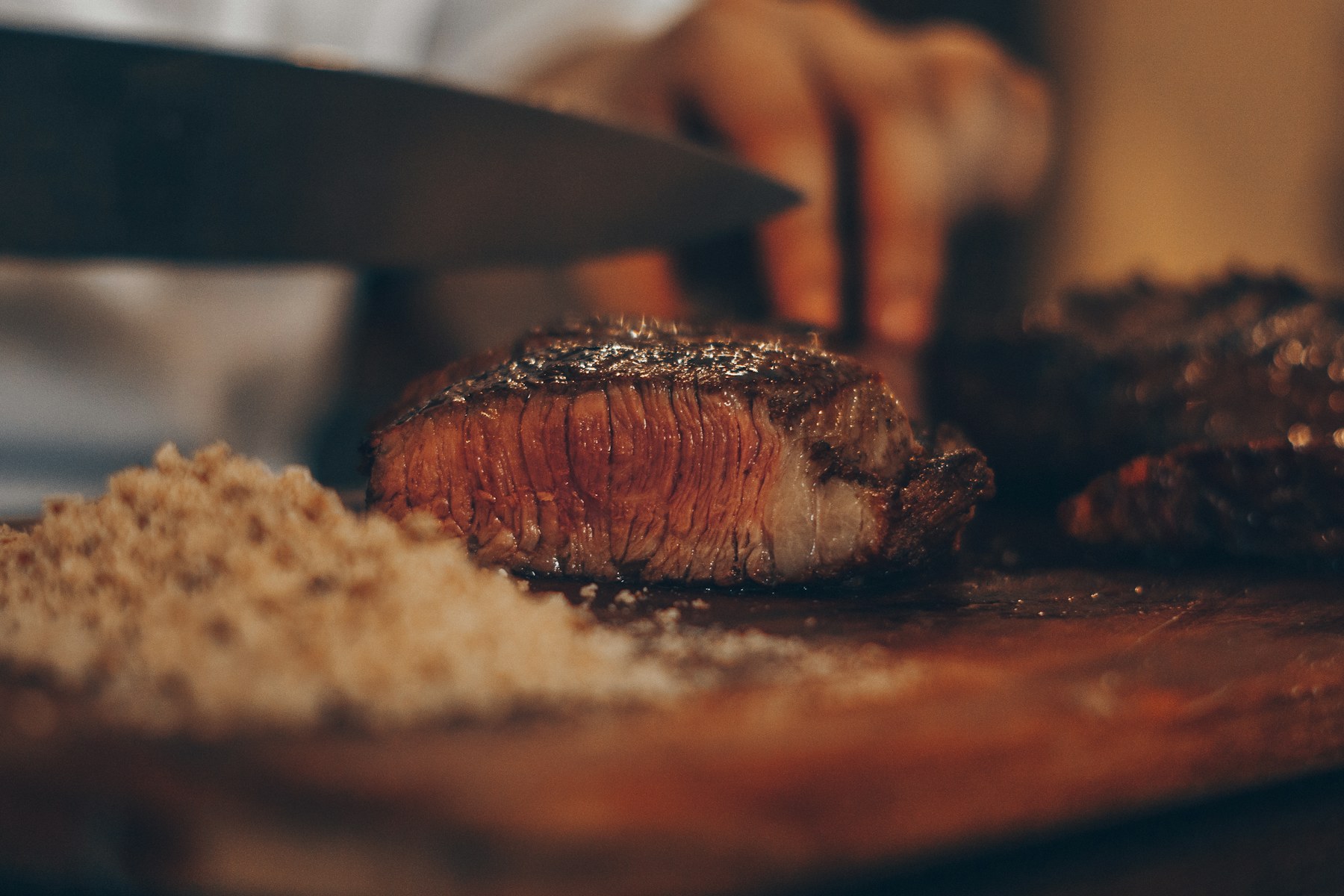
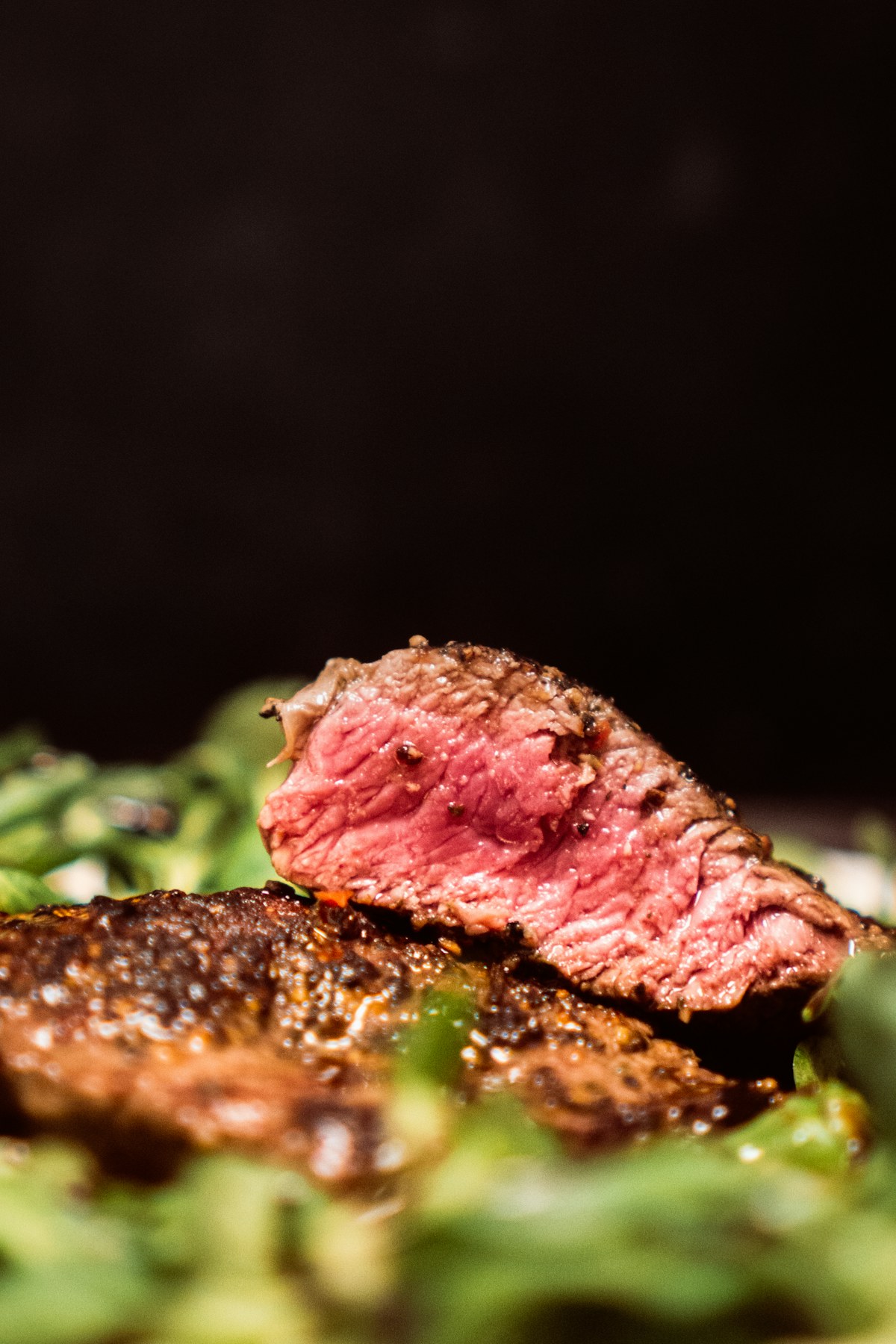
Use a clear steak temperature chart for rare through well done, understand carryover cooking and distinguish doneness preference from food-safety guidance.
Read guideUse clear reference guides for steak temperature, dry aging, buying, pricing and cooking choices.
Start with the distinction between doneness and safety, then explore how dry aging changes flavor or why a tomahawk costs more.
Use a clear steak temperature chart for rare through well done, understand carryover cooking and distinguish doneness preference from food-safety guidance.
Read guideThe facts to check before heat reaches the steak.
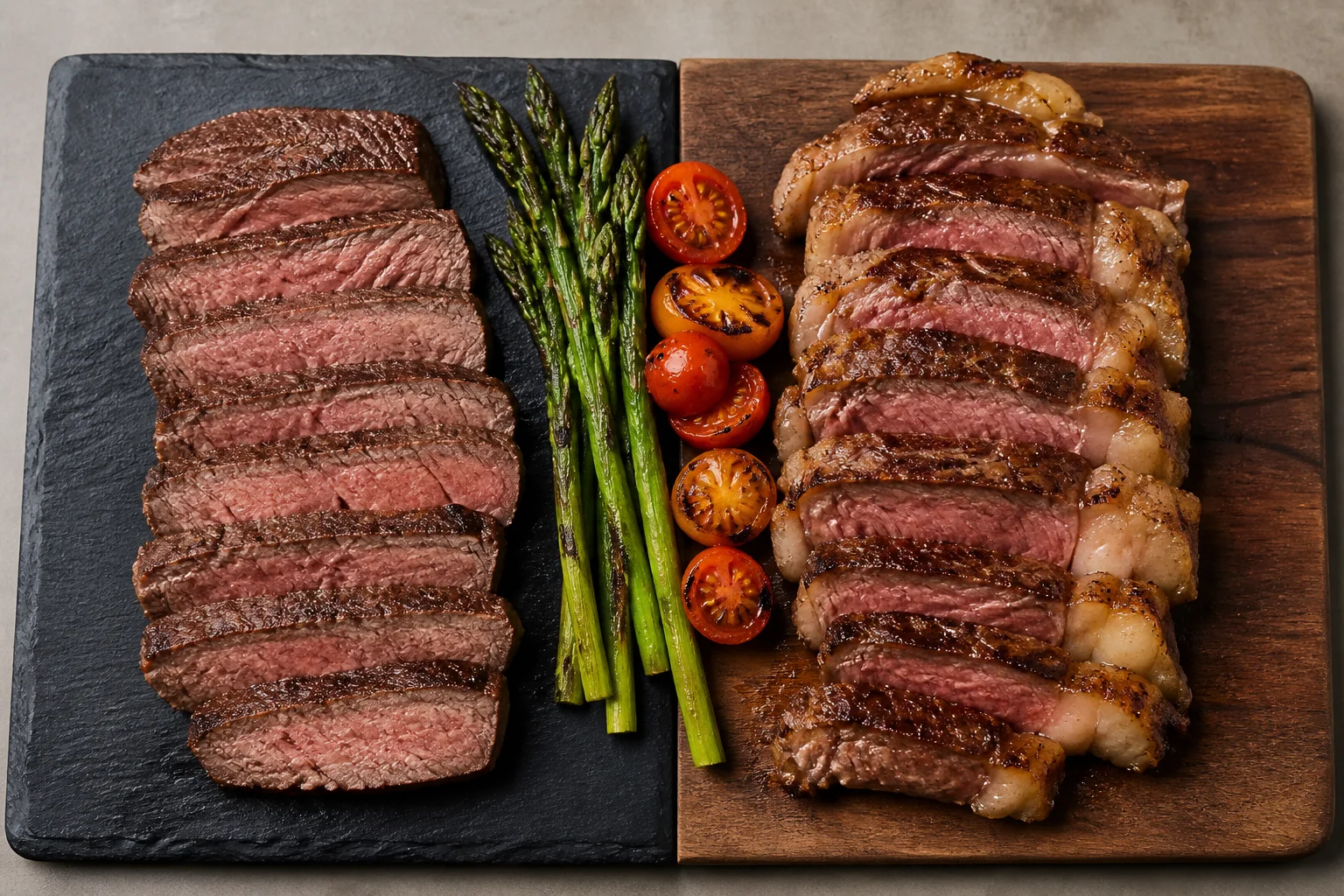
Learn how steak thickness, cut, surface moisture, heat strategy, temperature and resting determine the best cooking method.
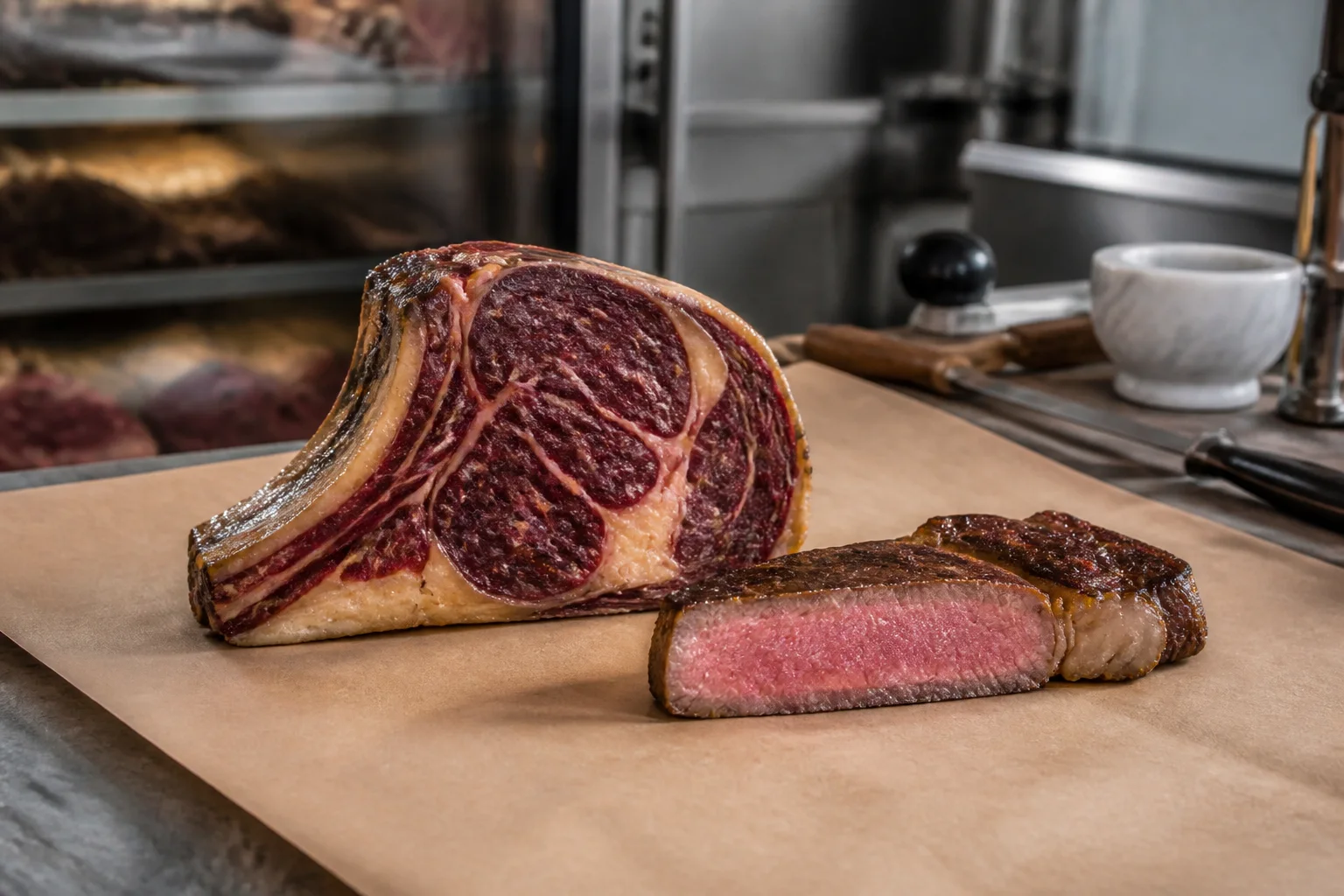
Read guideUnderstand what dry aging does to beef, why it costs more, how flavor changes and what to ask before buying dry-aged steak.
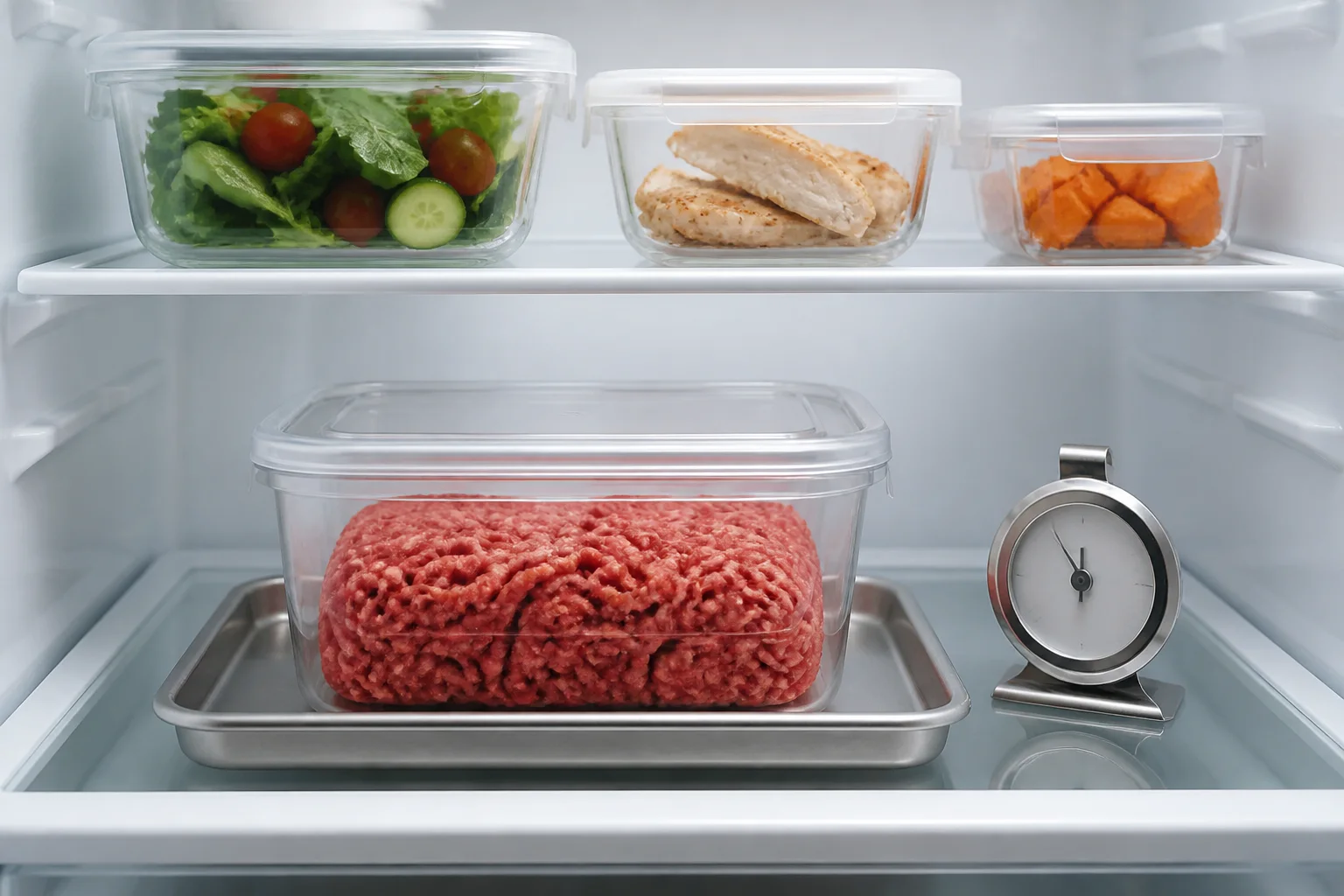
Read guideStore raw ground beef safely for 1–2 refrigerator days, understand cooked storage, freezing, thawing, spoilage limits and the 160°F cooking minimum.
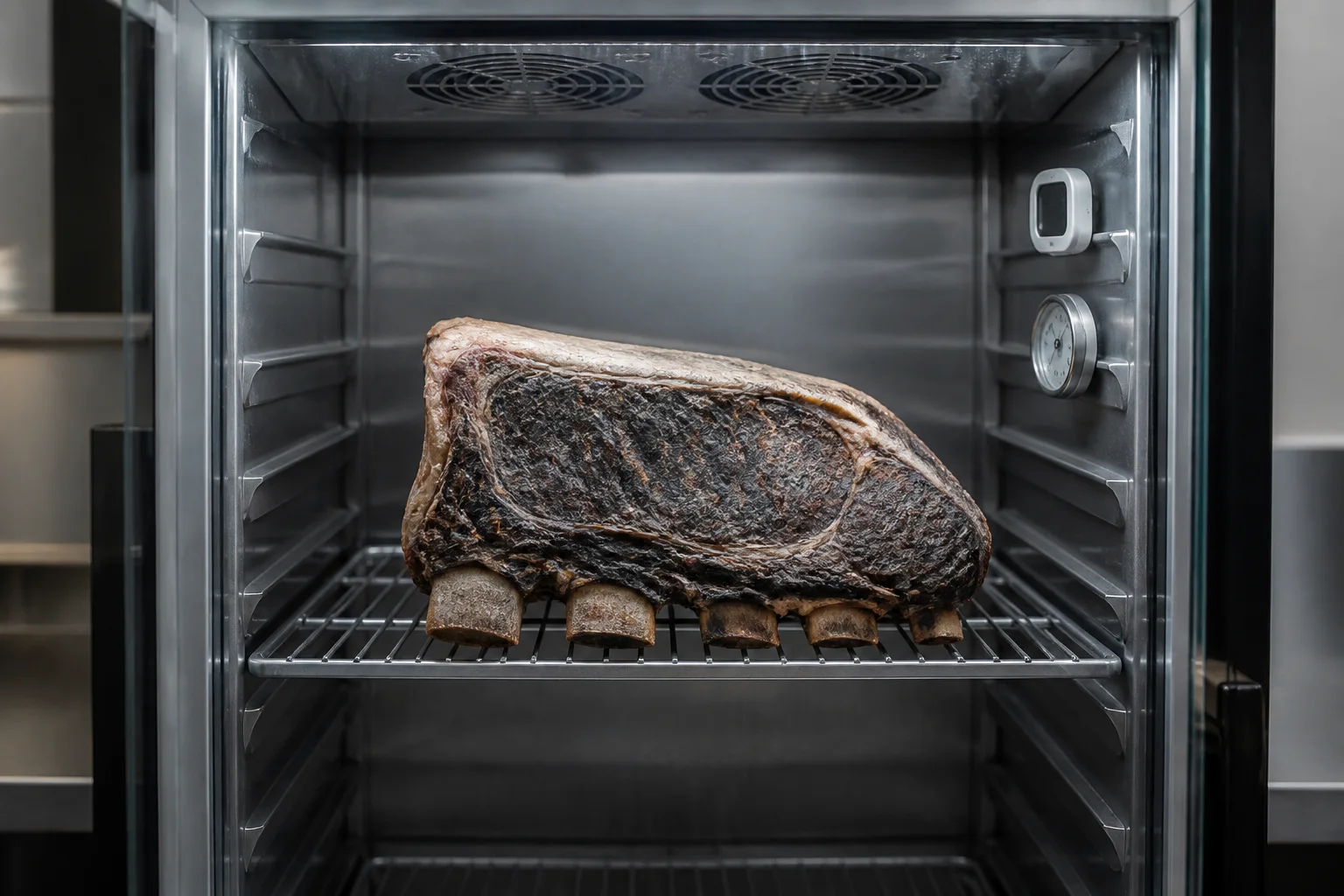
Read guideUnderstand why USDA does not recommend dry aging beef in a home refrigerator, what commercial control requires and which safer buying options exist.
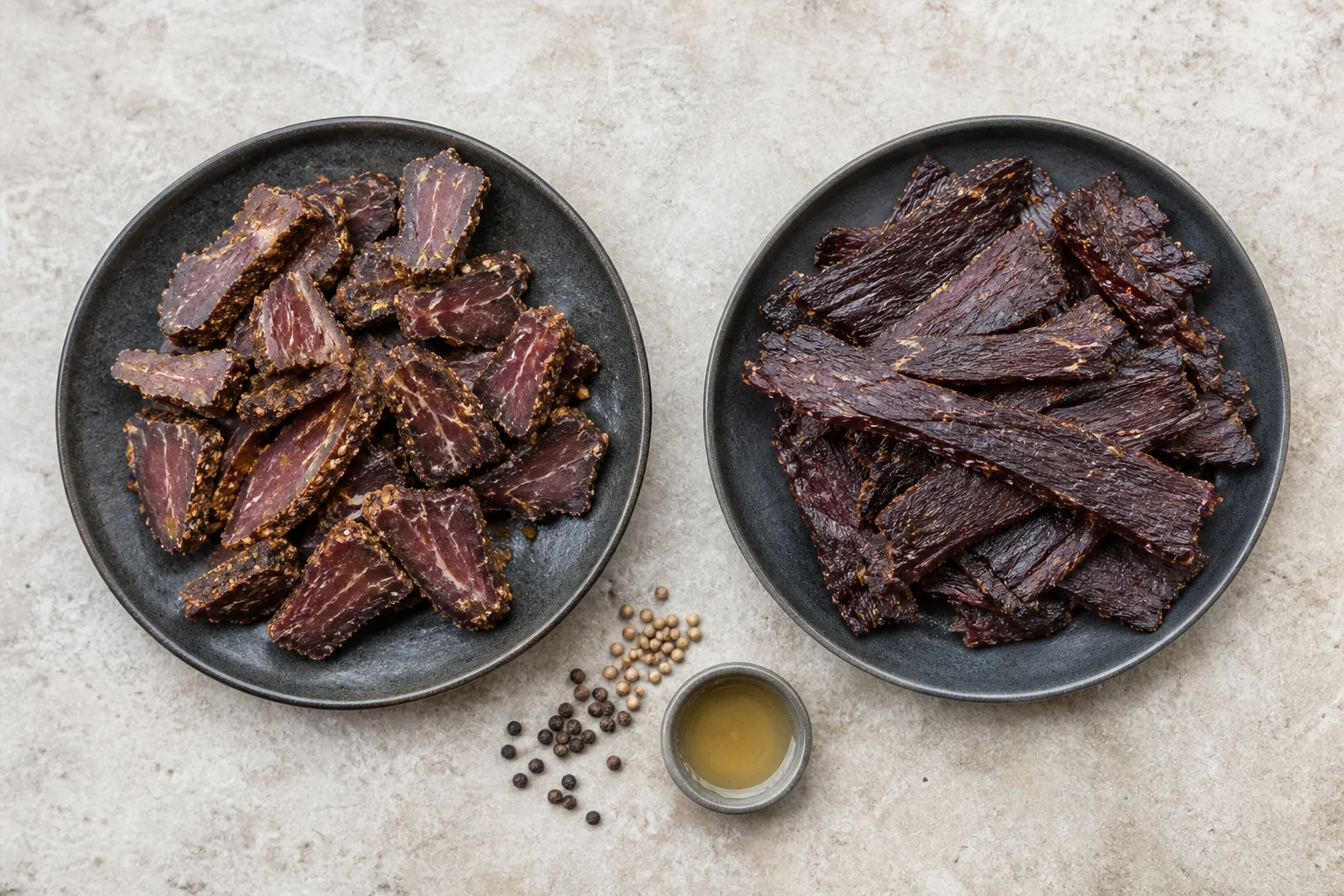
Read guideCompare biltong and jerky by cut thickness, marinade, heat, drying, water activity, texture and food-safety controls without treating them as synonyms.
Read guideCompare exact tools by specifications, cooking fit and practical tradeoffs, with broader Amazon searches retained as fallbacks.
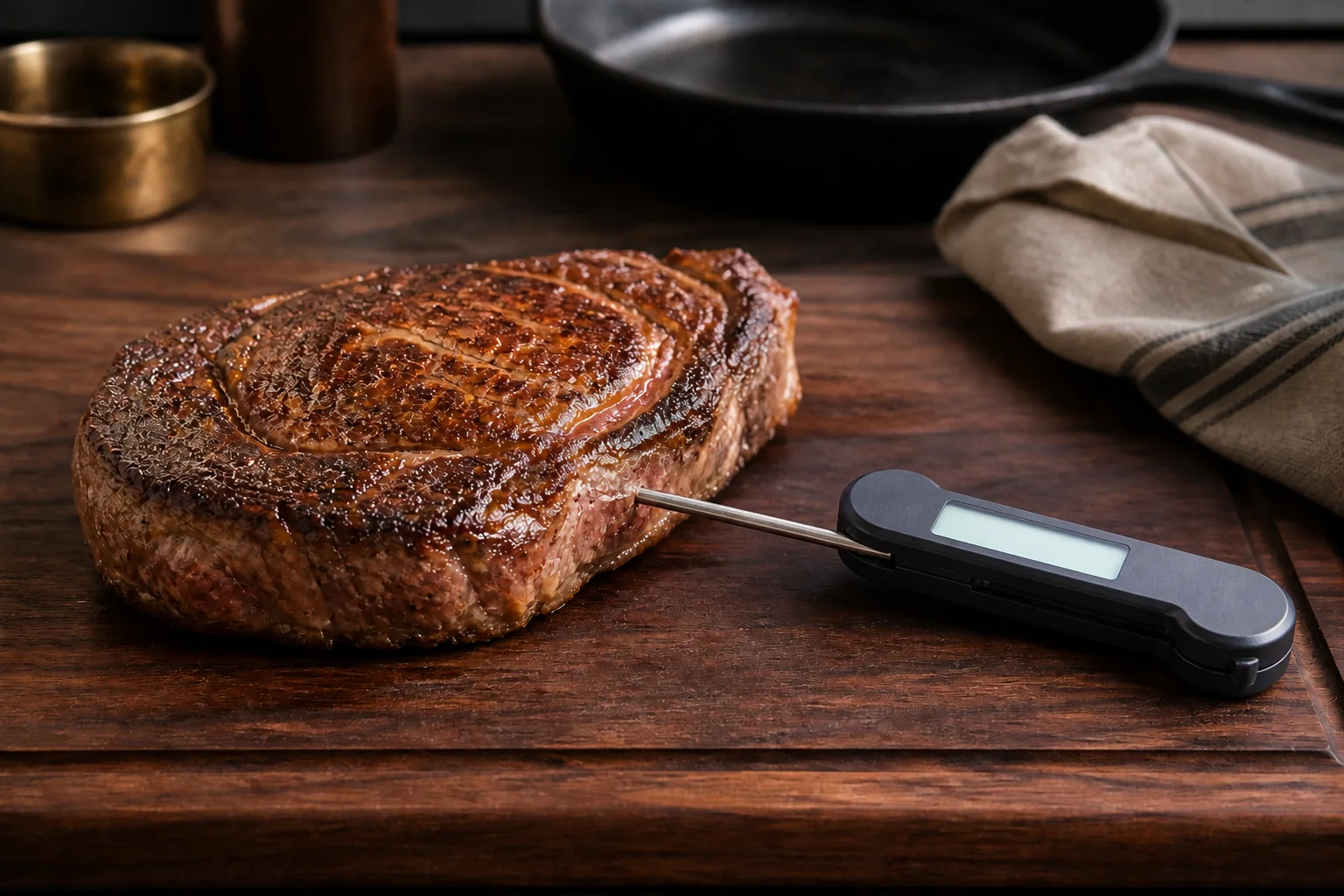
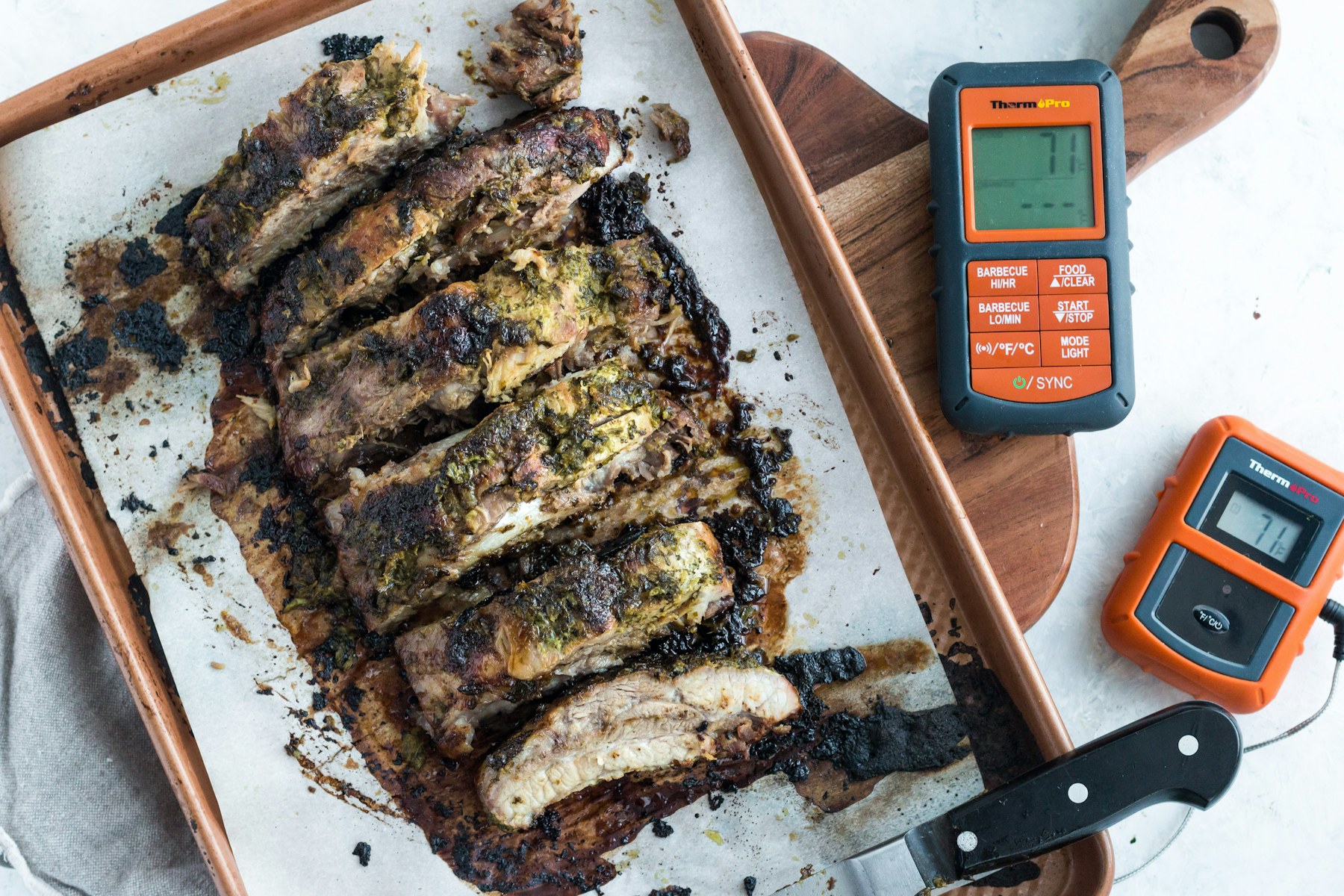
Choose the best meat thermometer for steak by comparing response time, accuracy, probe design, durability and instant-read versus leave-in use.
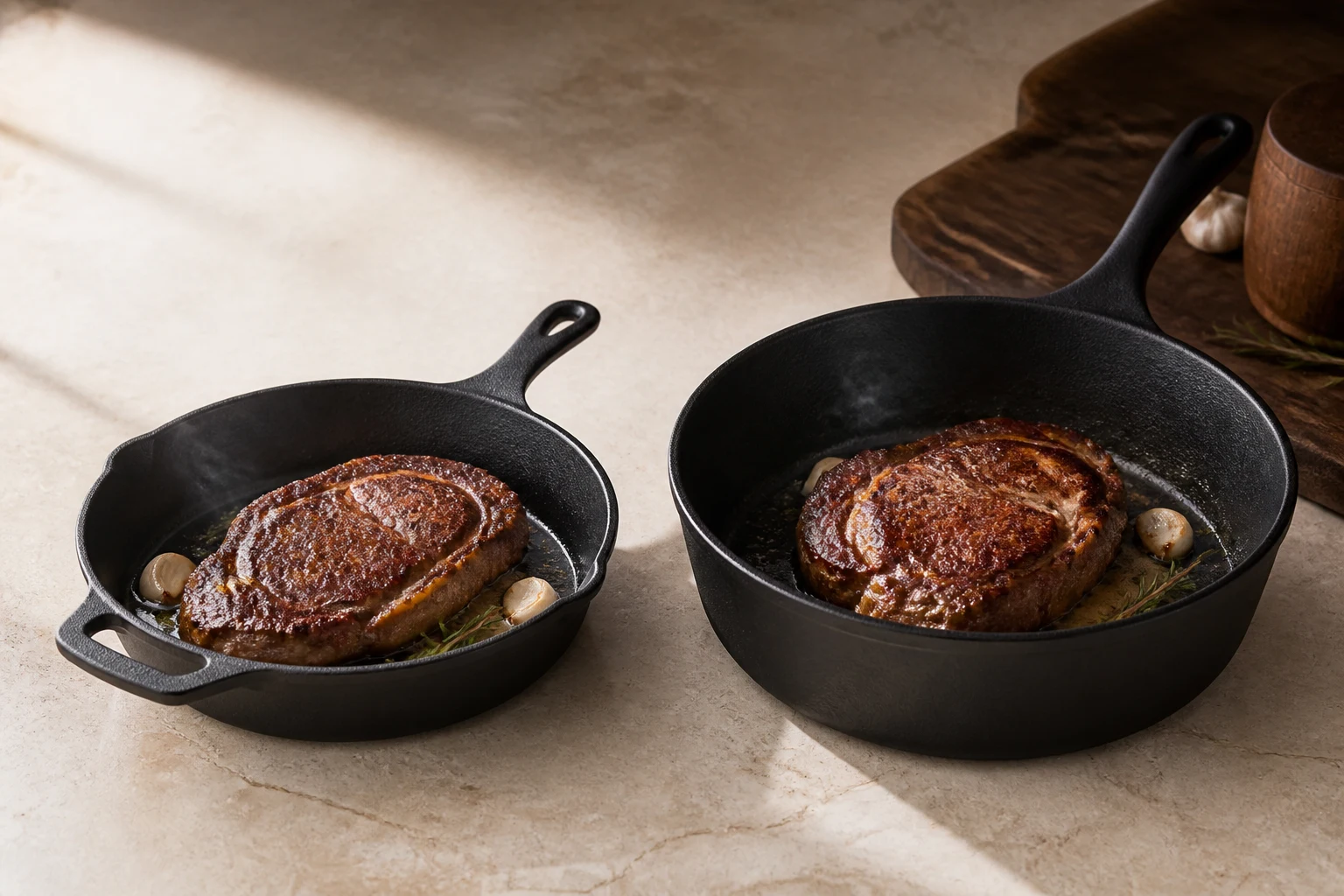
Read guideCompare two 12-inch cast-iron skillets for steak by flat cooking area, weight, handle design, seasoning, heat sources and practical limitations.
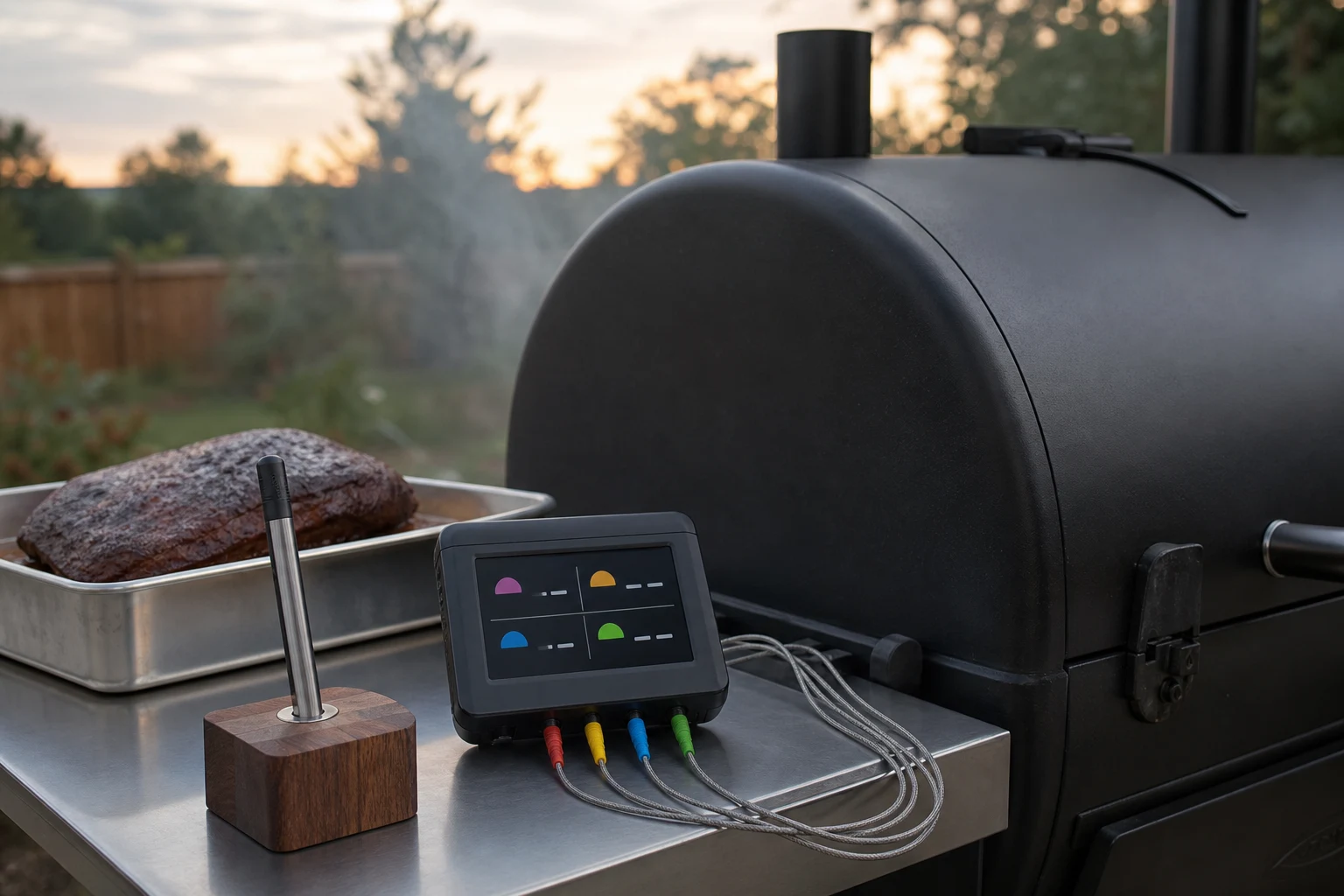
Read guideCompare a four-probe RF smoker thermometer with a wire-free app probe by monitoring style, probe count, range, setup, limitations and use case.
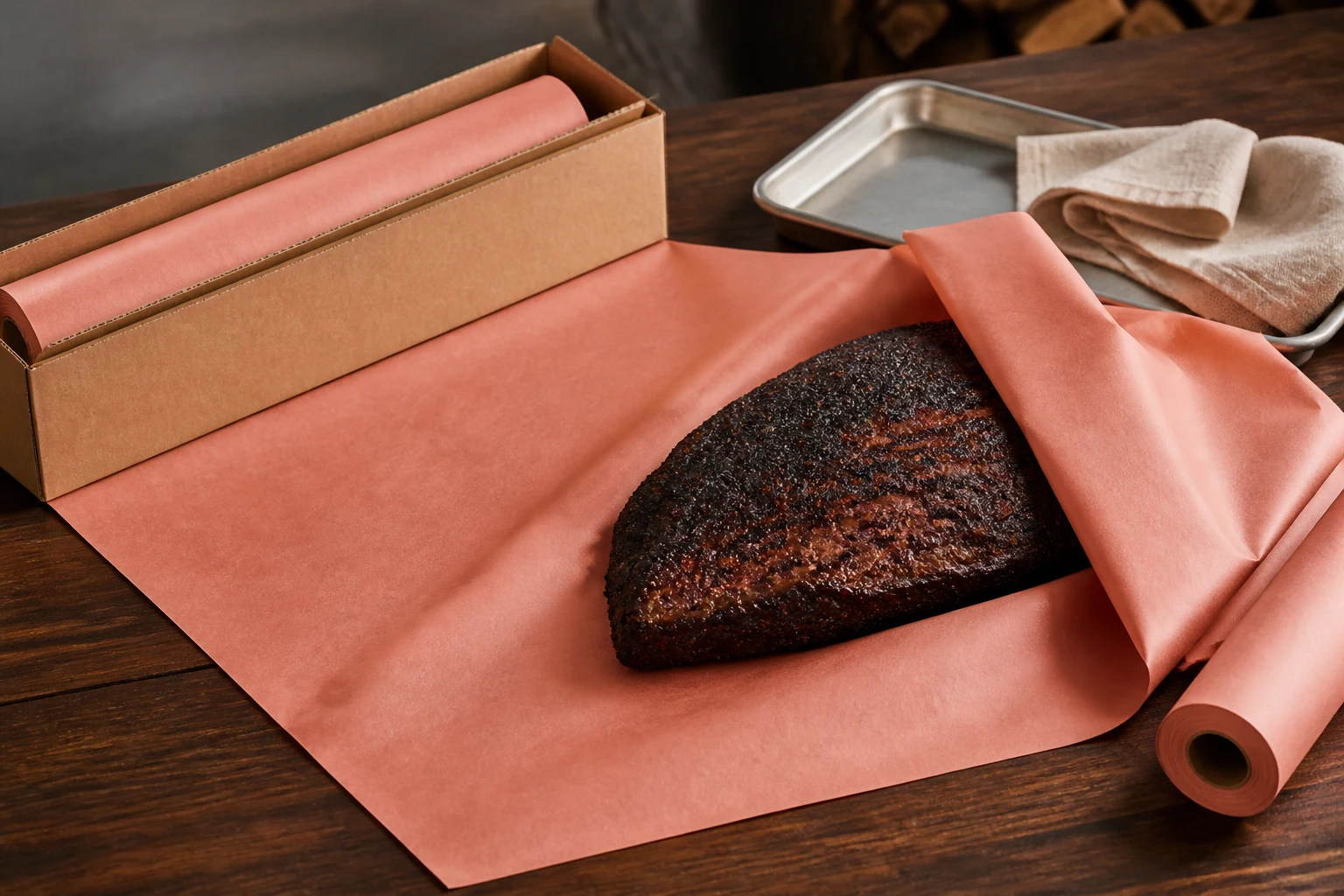
Read guideCompare two exact 18-inch pink butcher-paper formats for brisket, then learn which material claims, width, cutting method and heat limits matter.
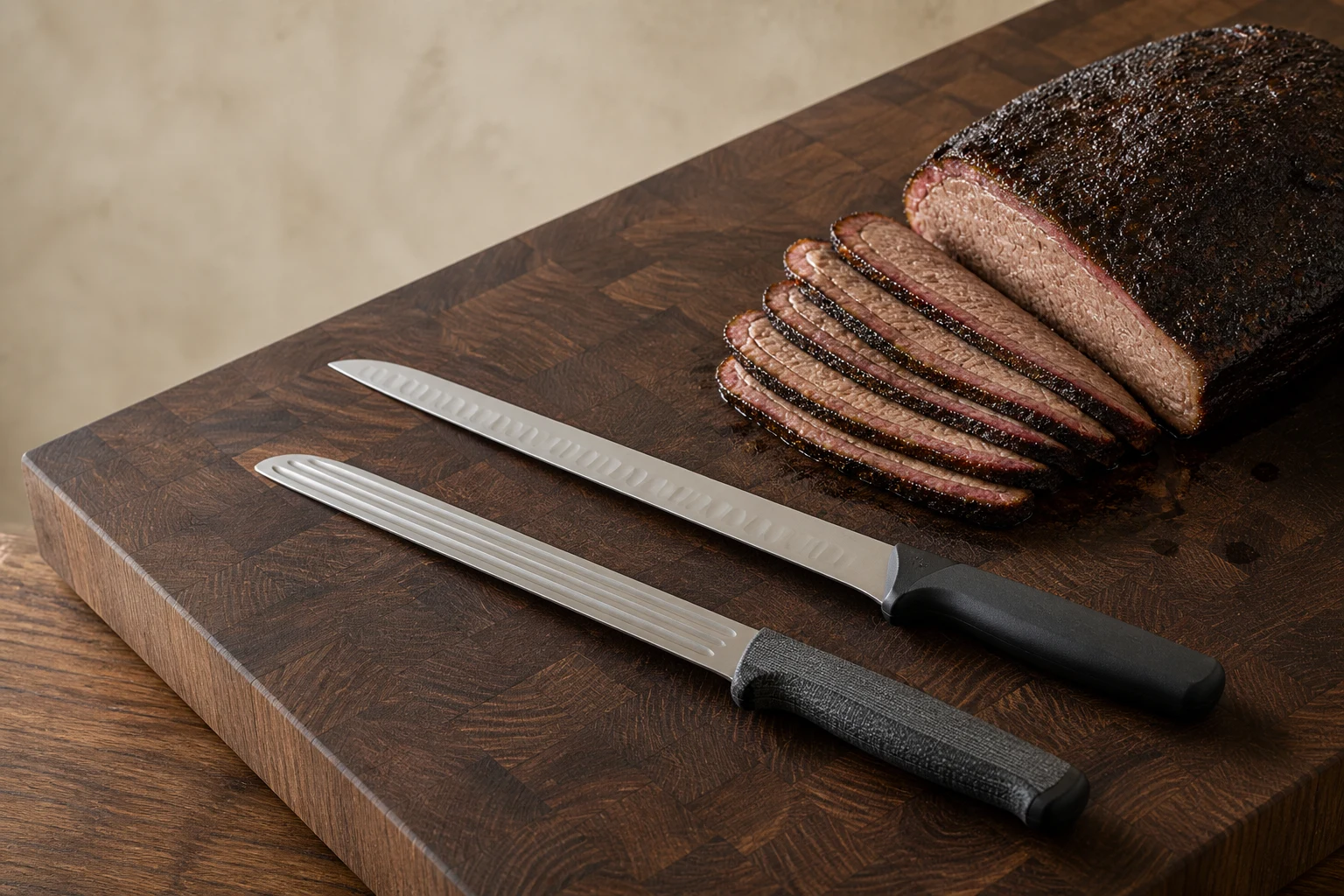
Read guideCompare exact 14-inch Mercer and 12-inch Victorinox brisket slicers by blade length, edge geometry, handle, control, maintenance and safety.
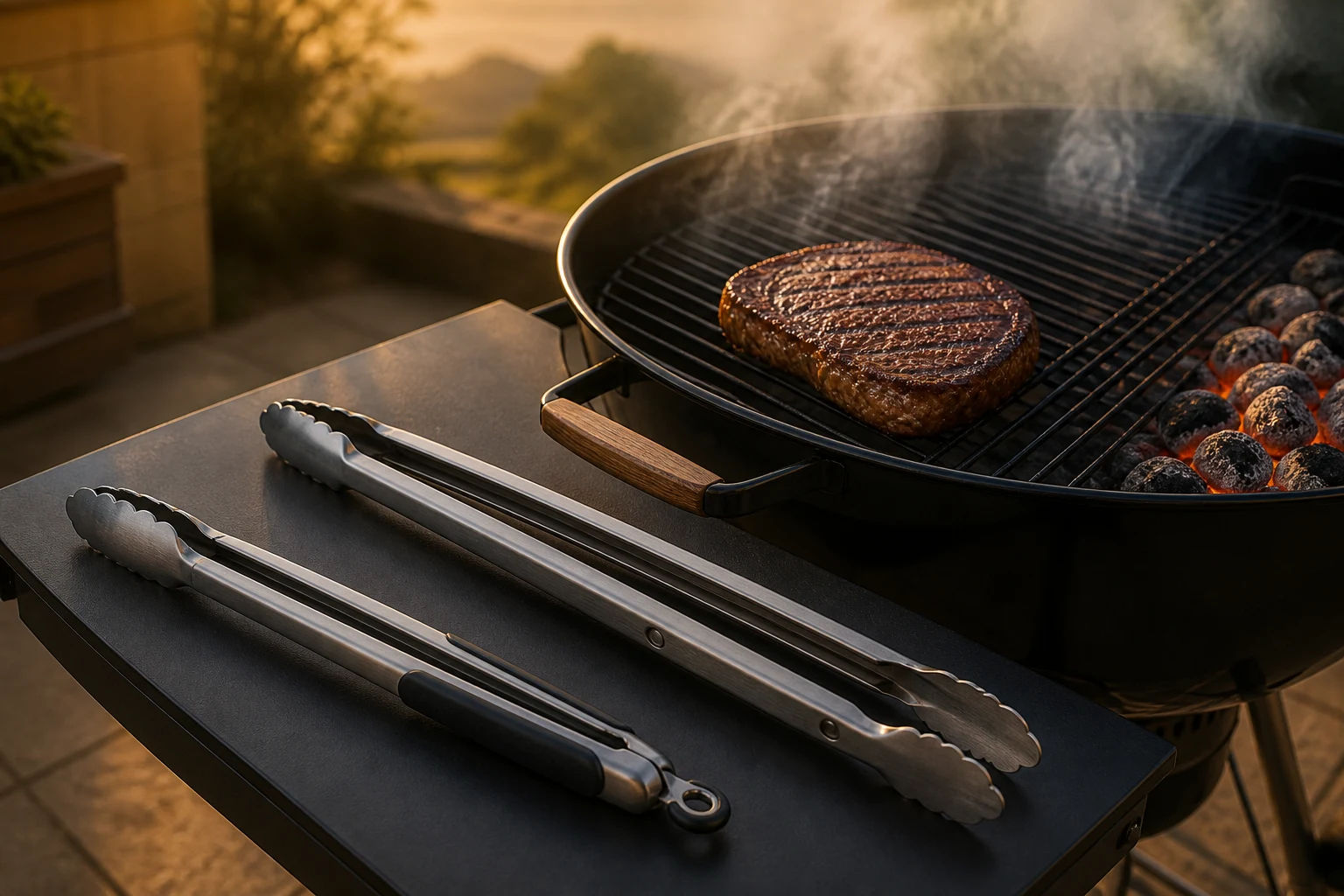
Read guideCompare exact OXO 16-inch and Outdoor grilling tongs for steak by reach, head shape, grip, stiffness, lock, cleaning and practical control.
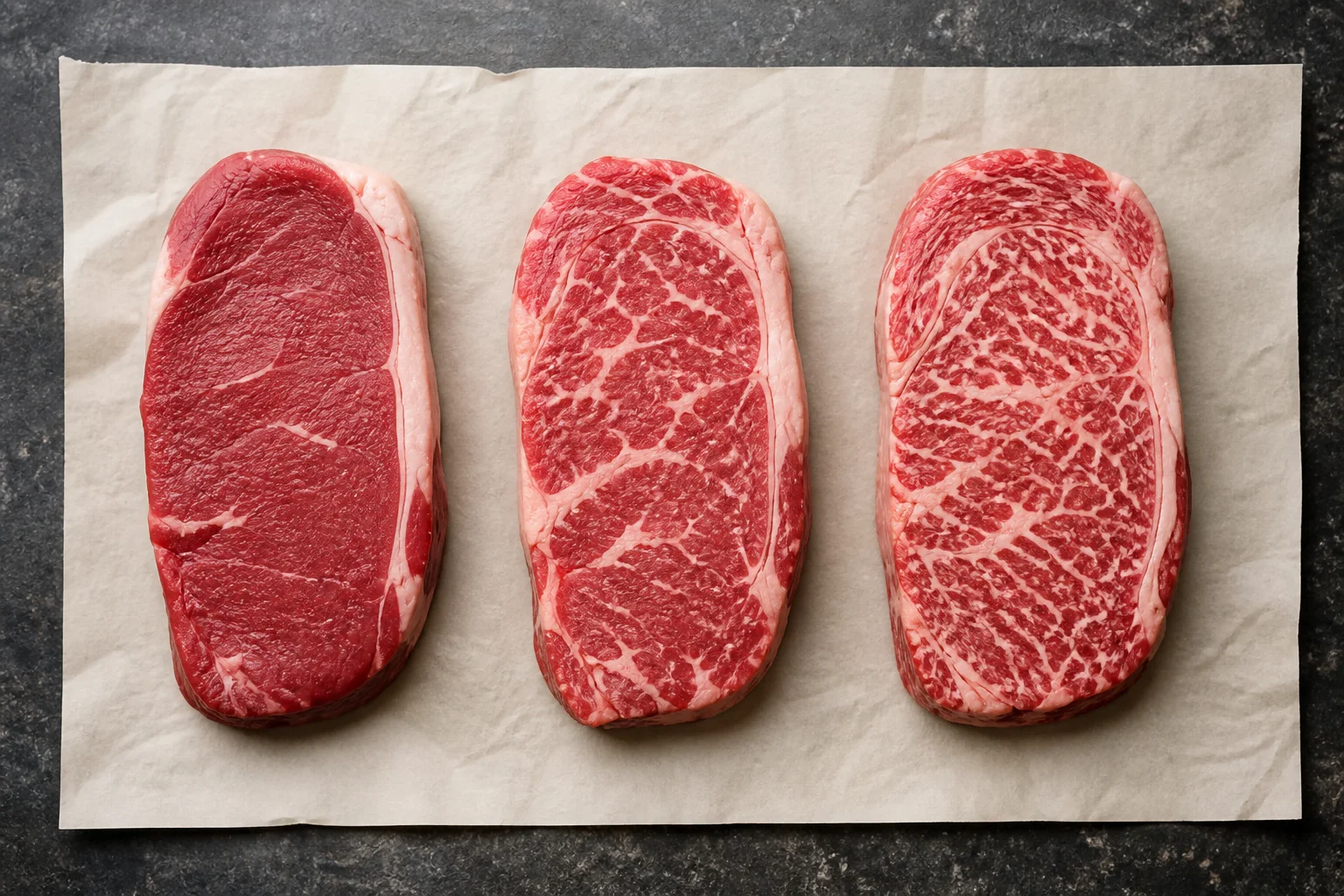
Read guideEvaluate cut, seller, production claims, premium labels and edible yield.
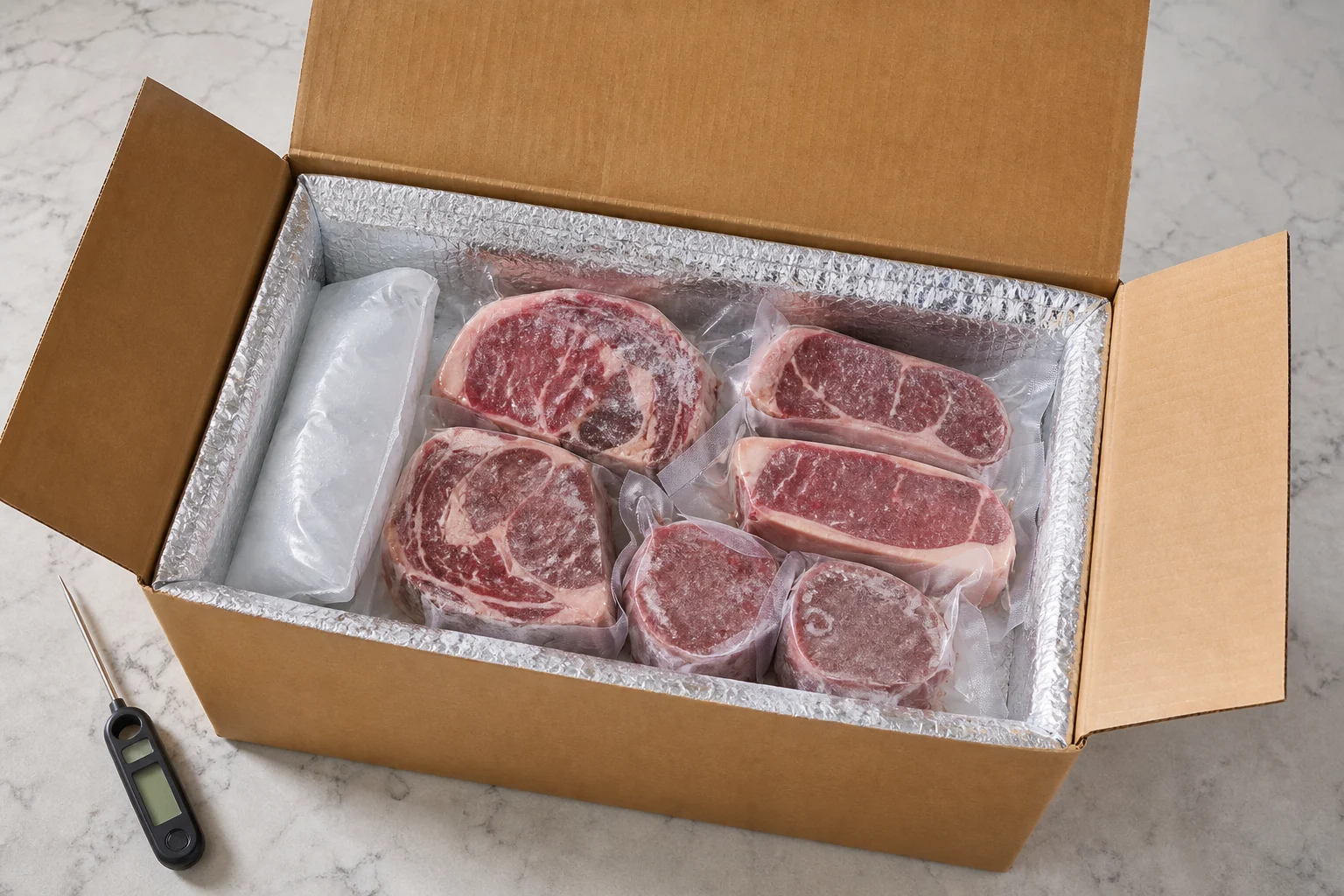
Buy steak online with a practical checklist for exact cut, grade, thickness, landed cost, cold-chain delivery and what to do if a box arrives warm.
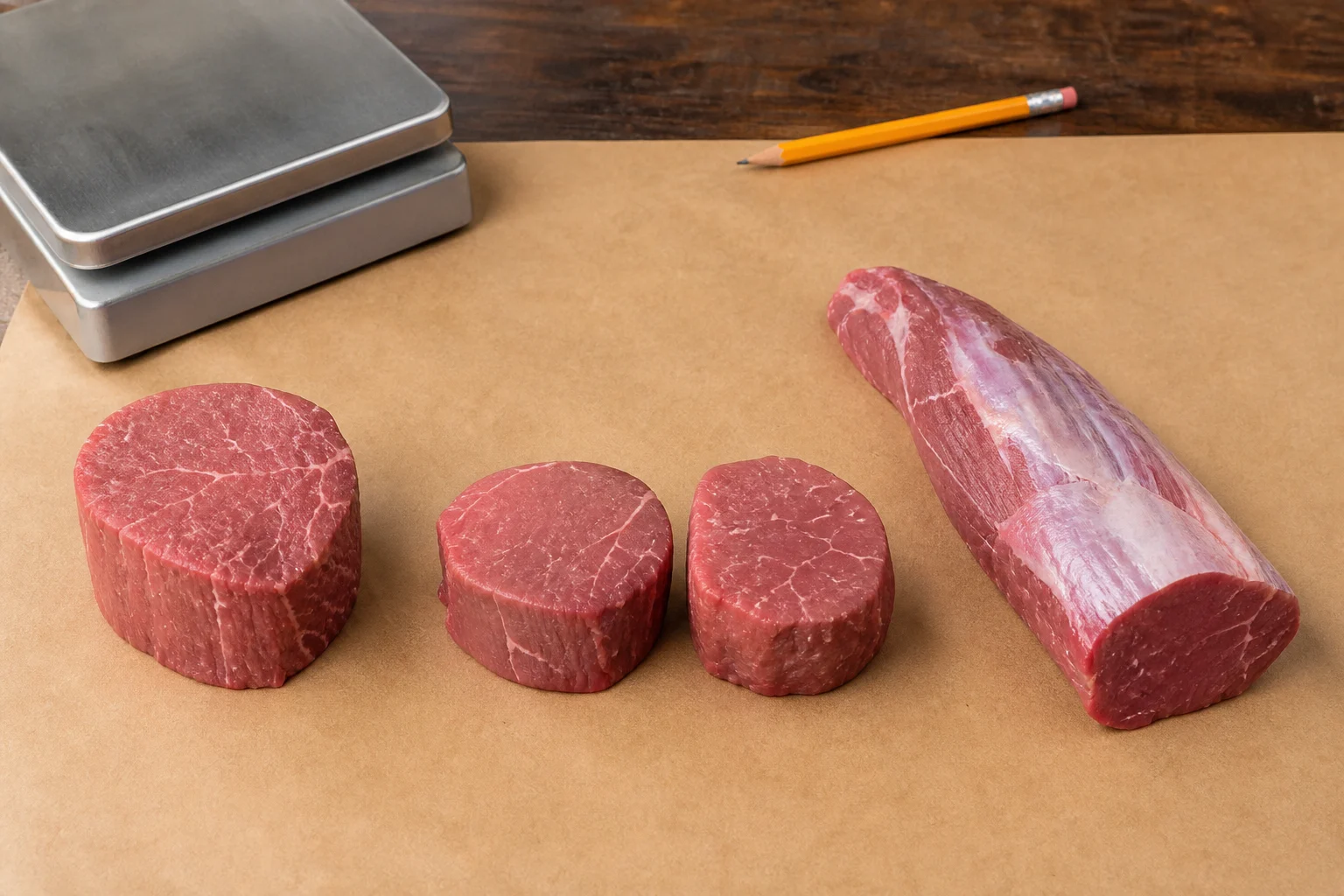
Read guideUnderstand filet mignon price per pound, a dated USDA retail-ad snapshot, portion-cost math and why center cut, trim, grade and shipping change value.
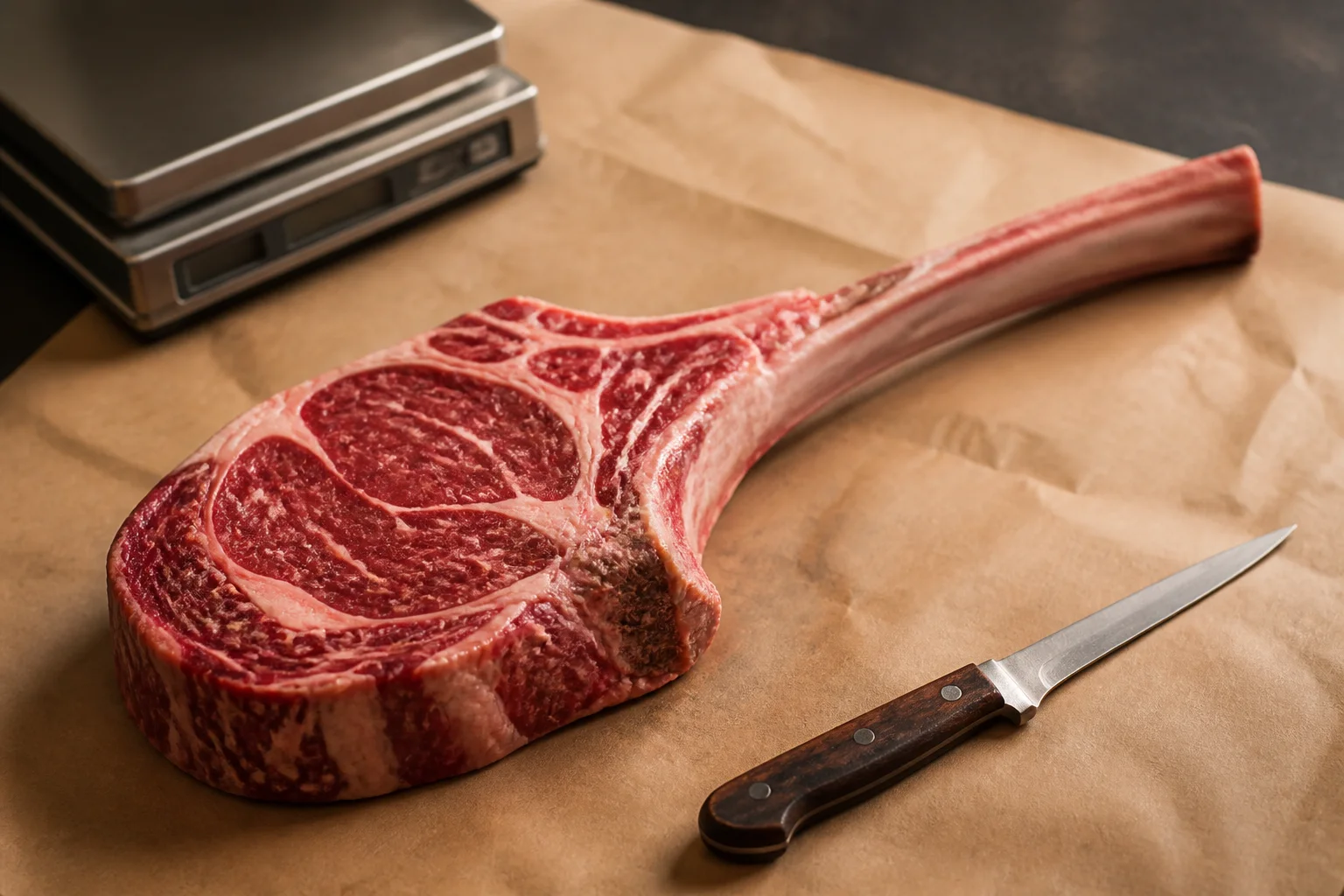
Read guideCompare local butchers, grocers, warehouse clubs and online meat sellers, and learn what to check before buying a tomahawk steak.
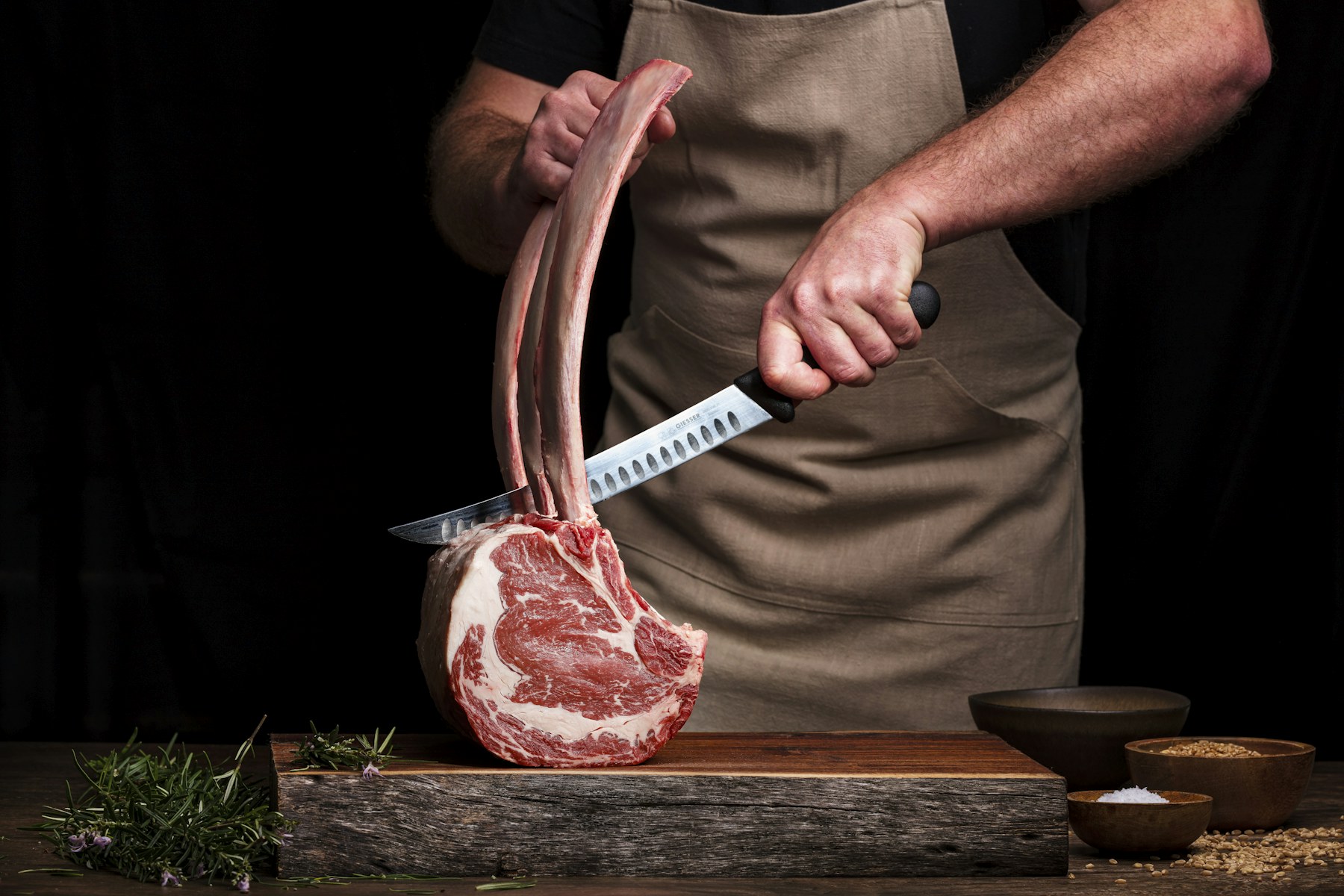
Read guideUnderstand the factors behind tomahawk steak prices, including bone weight, grade, aging, thickness, butcher labor and restaurant markup.
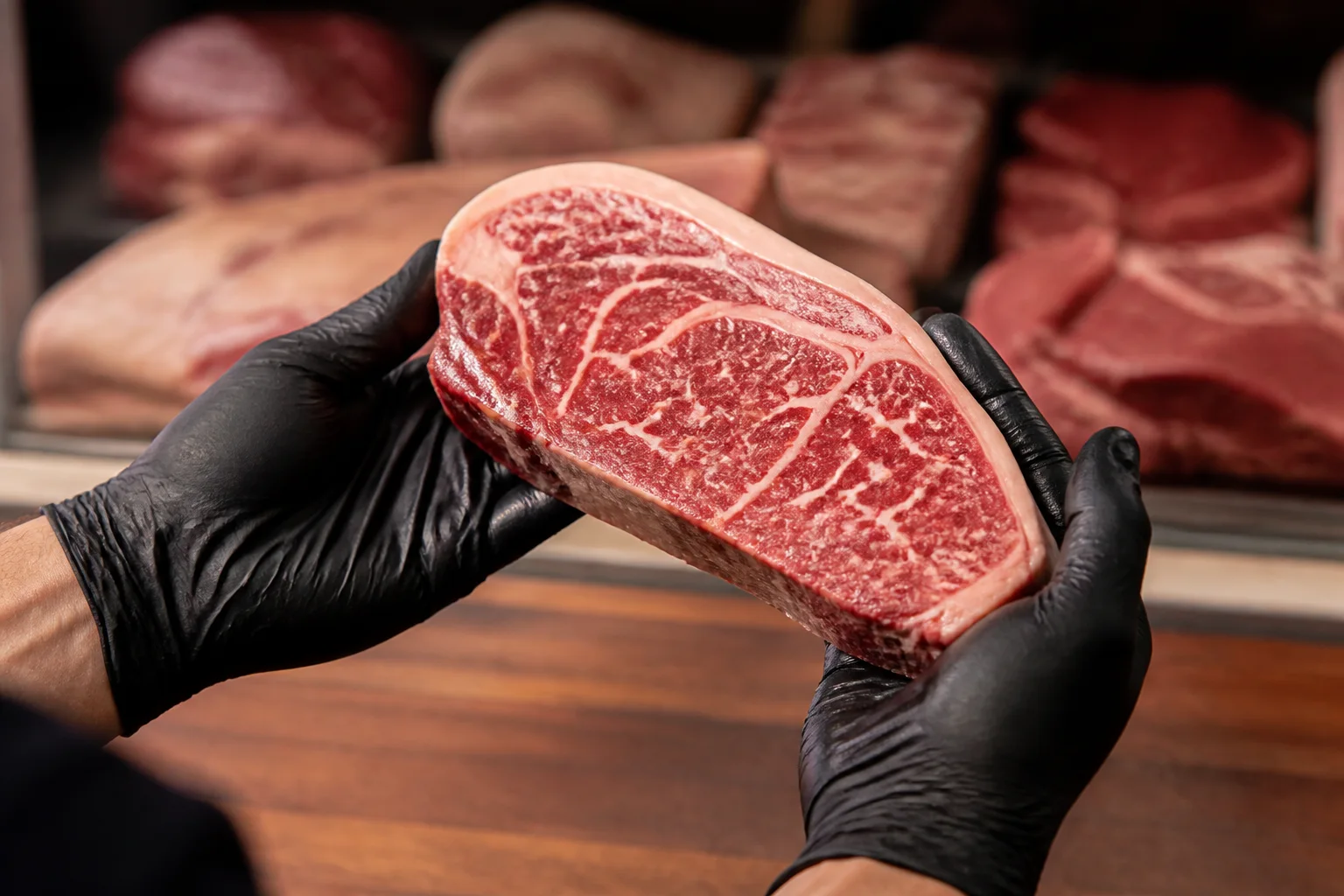
Read guideUnderstand USDA Prime quality grading, marbling and maturity, how Prime differs from prime rib and Wagyu, and how to evaluate a Prime steak before buying.
Read guideLearn what Angus means on a steak label, how general breed claims differ from branded programs, why grade remains separate and how to choose well.
Read guideLearn what USDA Organic means on beef, how certification differs from grass-fed and natural claims, and how to compare cut, grade and value.
Read guideUnderstand grass-fed beef labels, flavor, marbling, buying questions and the cooking adjustments that matter more than marketing shorthand.
Read guideUnderstand grass-fed ribeye labels, leanness and flavor variation, how to compare nutrition claims and how to cook the actual steak without drying it.
Read guideLearn how to verify grass-fed sirloin claims, compare marbling and flavor, buy an evenly cut steak and cook lean sirloin with a measured center.
Read guideLearn what USDA Prime means for ribeye, how marbling and rib position affect the cut, what to inspect at the counter and how to cook it well.
Read guideUnderstand what Wagyu means, how Japanese A5 differs from American and Australian Wagyu, how marbling is graded, and how to buy and cook it.
Read guideRead Galician beef labels correctly, distinguish the region's protected indications, evaluate aging and cut details, and cook a thick steak with controlled heat.
Read guideUnderstand beef marbling as intramuscular fat, how USDA quality grades use it with maturity, and how distribution, cut and cooking affect the steak.
Read guideCompare lean and fatty steak cuts, understand regulated lean label thresholds, inspect marbling versus trim, and adjust portions and cooking methods.
Read guideTranslate cut names and methods before applying regional inspiration.
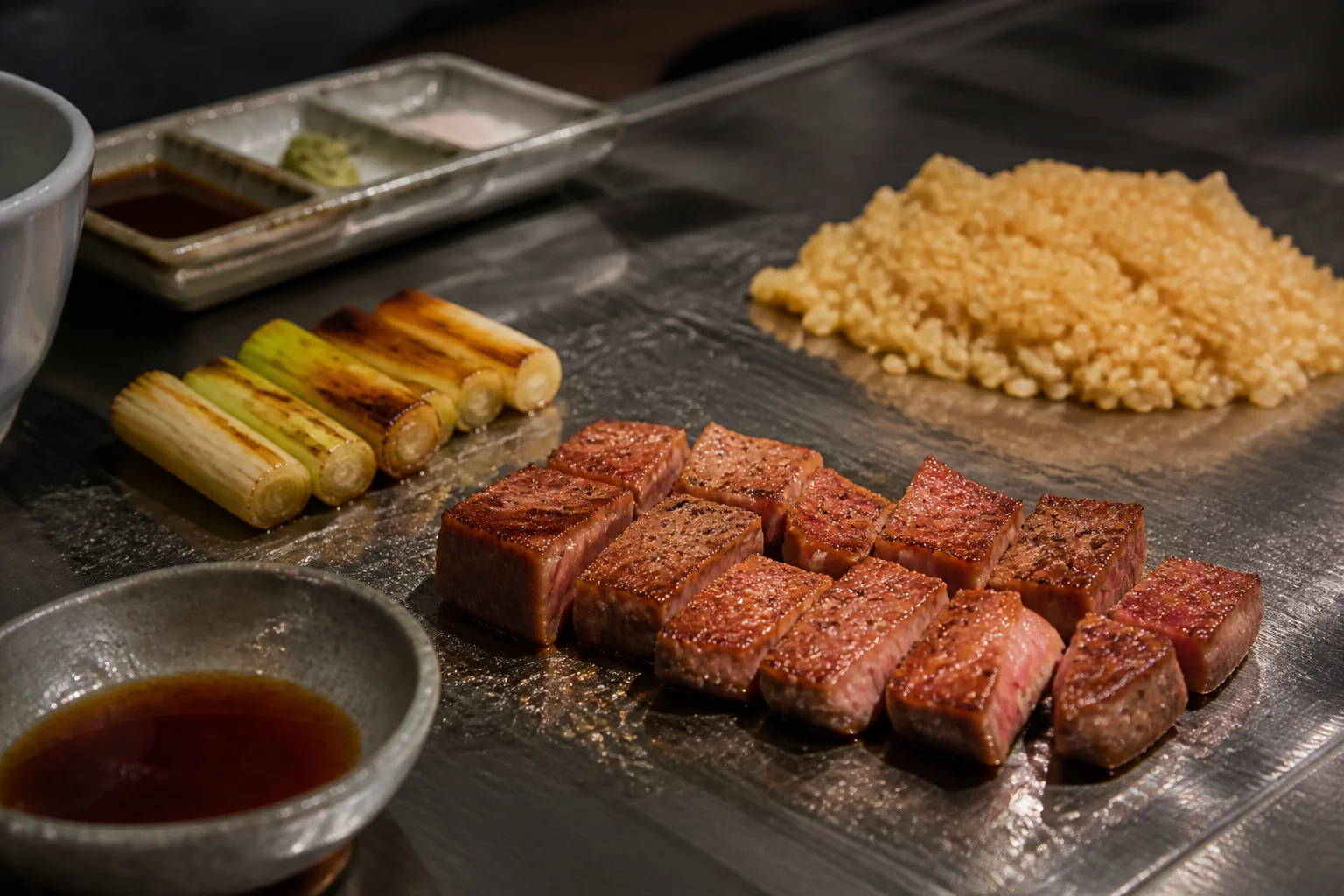
Understand Japanese steak terminology, Wagyu grading context, portioning, teppanyaki and cut identity without conflating Japanese beef with one style.
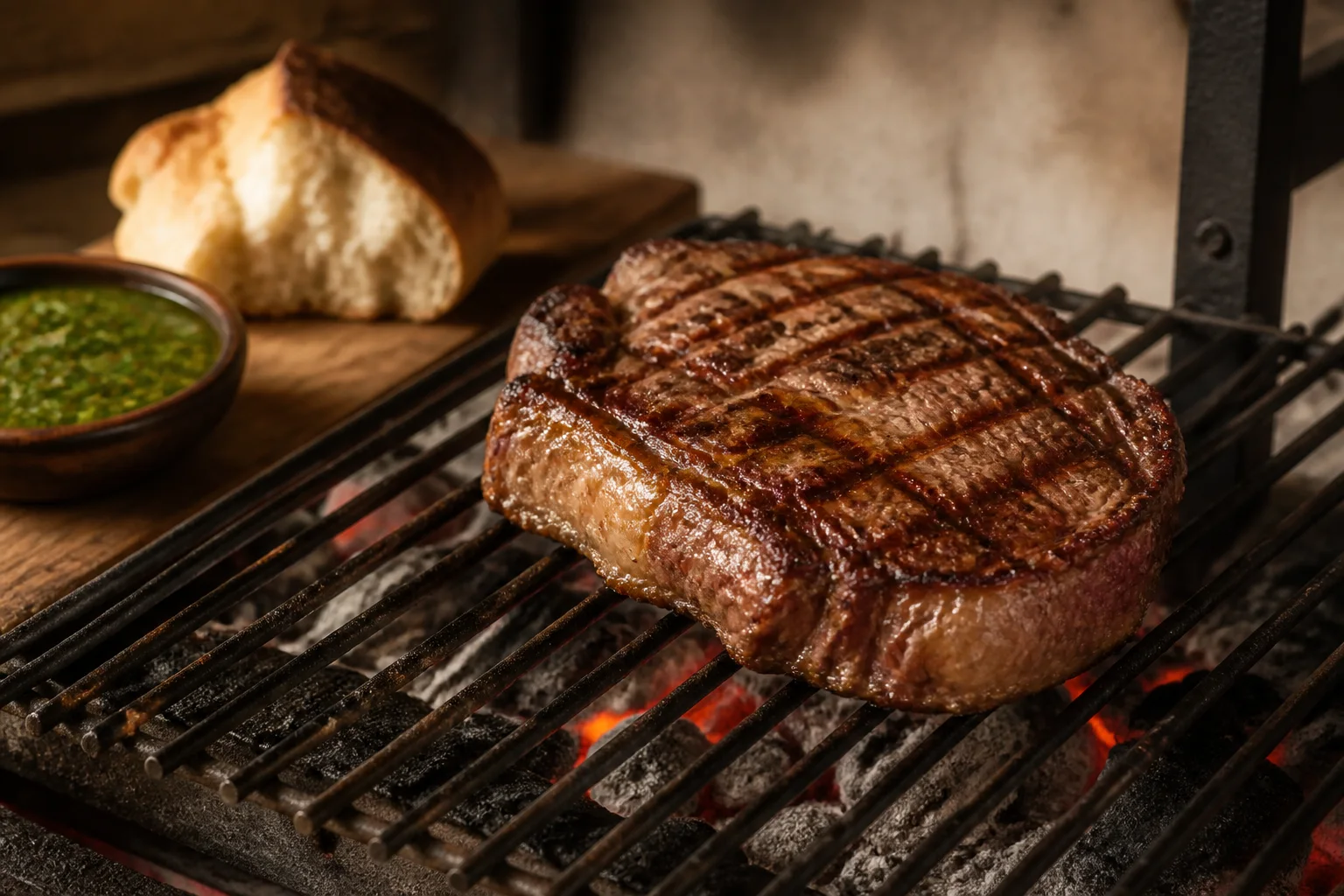
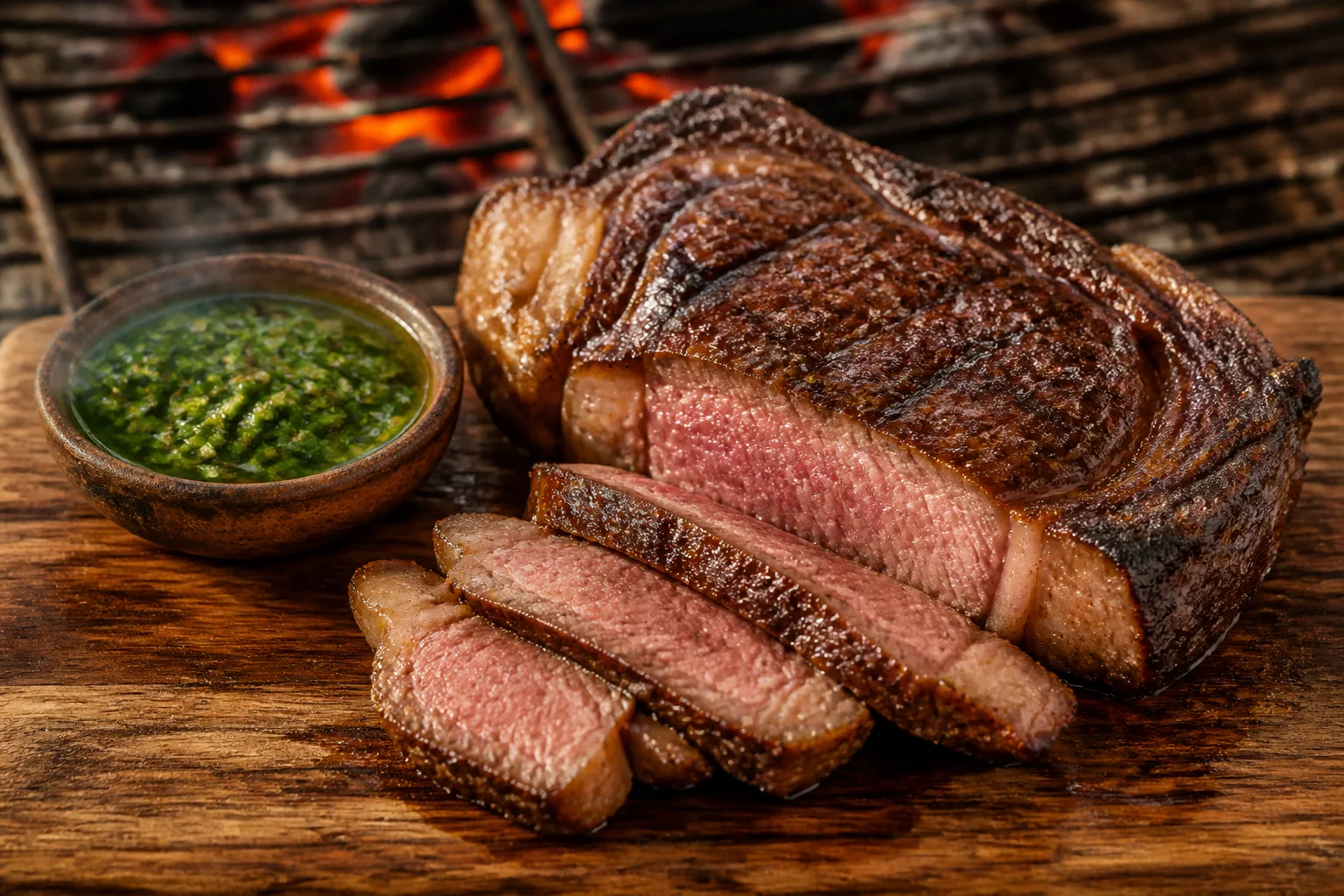
Read guideExplore Argentine steak culture, cut-name translation, parrilla heat, salt, resting and chimichurri without treating one regional style as one cut.
Read guideUnderstand bife ancho as an Argentine rib-section steak, including ribeye equivalence, bone and trimming differences, parrilla cooking and carving.
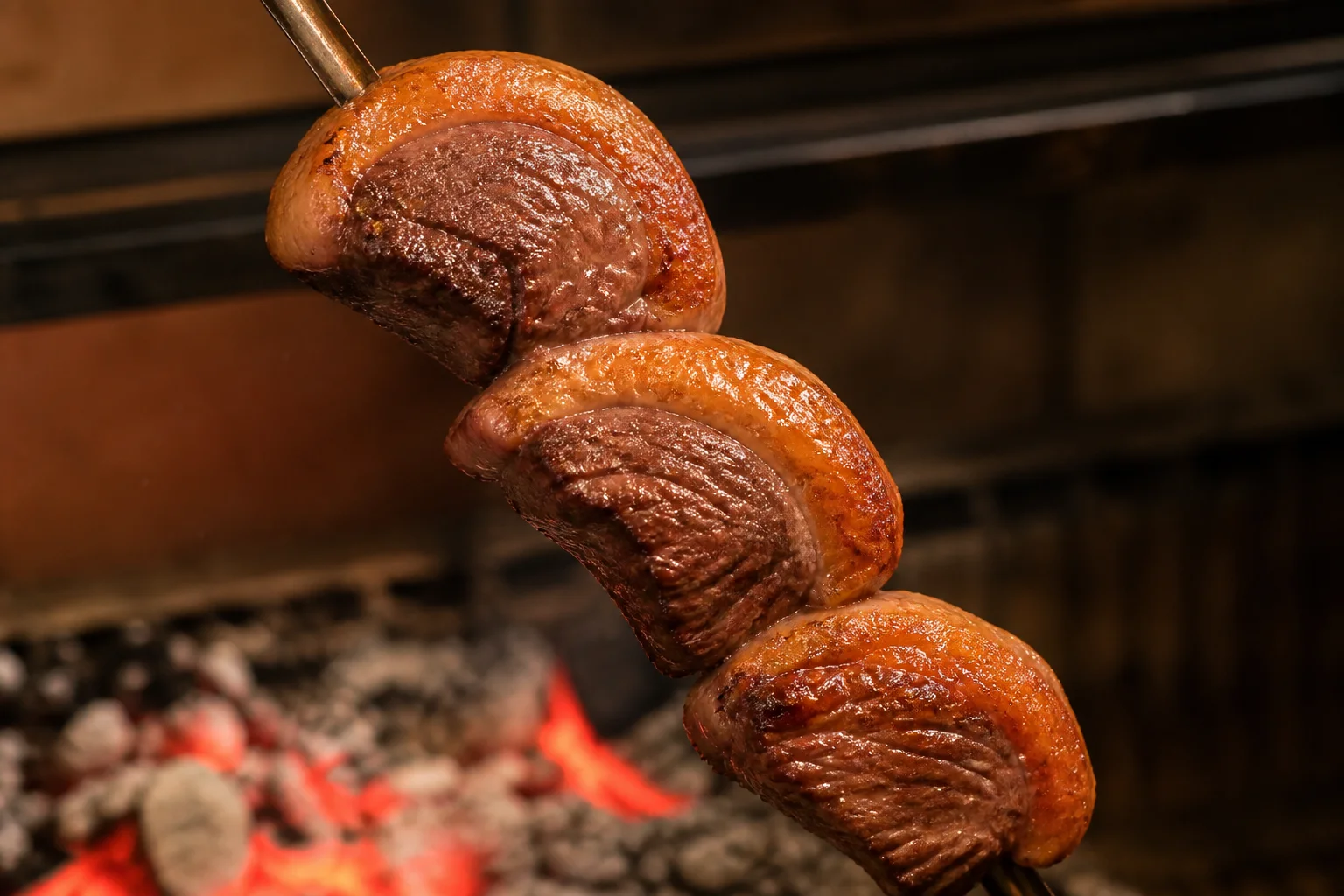
Read guideUnderstand Brazilian picanha, the top sirloin cap and fat cover, traditional crescent skewers, buying and slicing choices, plus grill temperature control.
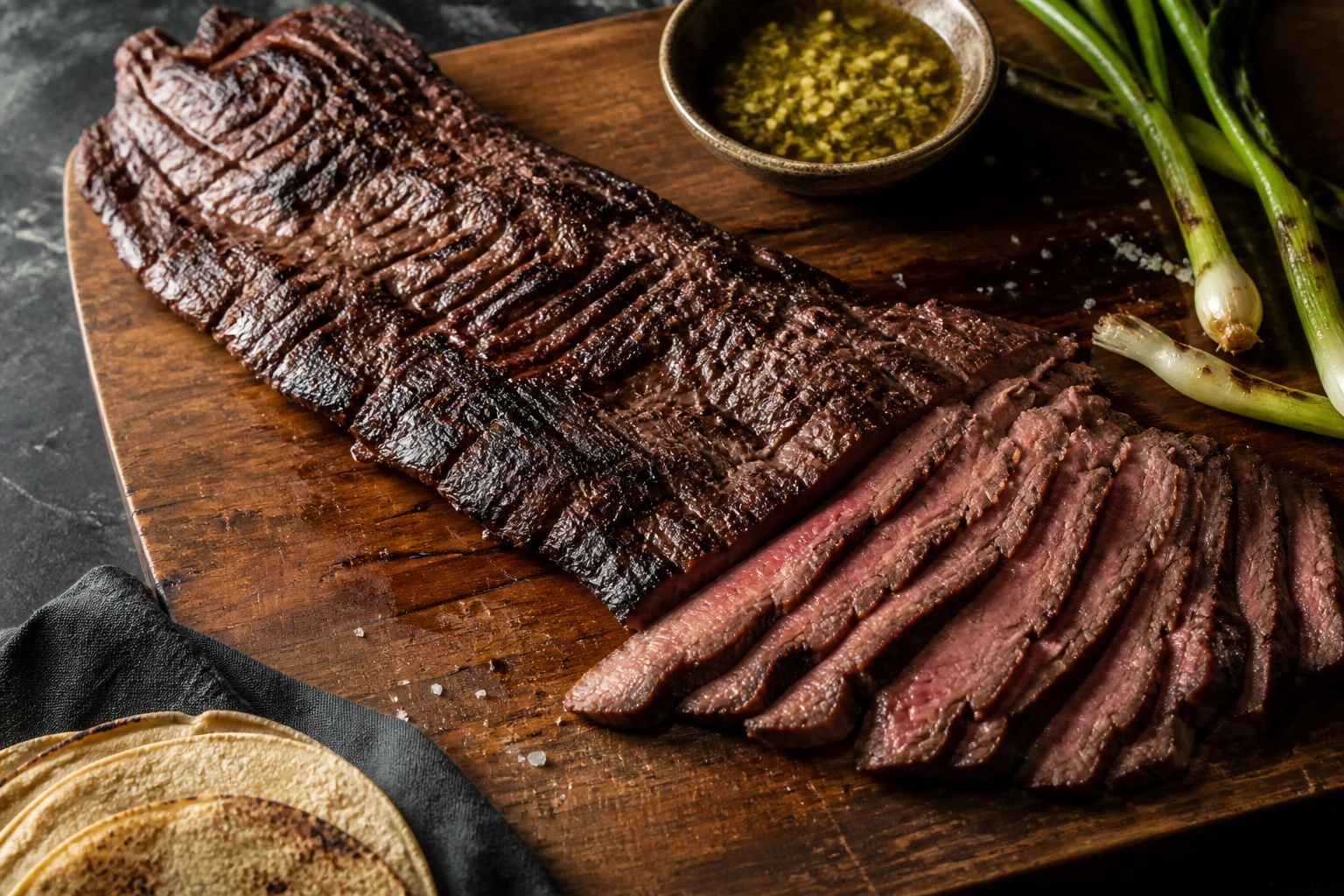
Read guideMake arrachera with outside skirt steak, a restrained citrus-garlic marinade, charcoal heat, thermometer checks and thin cross-grain carving for tacos or plates.
Read guideLearn what palomilla steak means, which thin beef cuts may be used, how Cuban-style seasoning works and how to pan-cook it without toughness.
Read guideUnderstand Scotch fillet steak as Australian boneless ribeye, including cube-roll anatomy, buying choices, pan cooking, grilling and regional names.
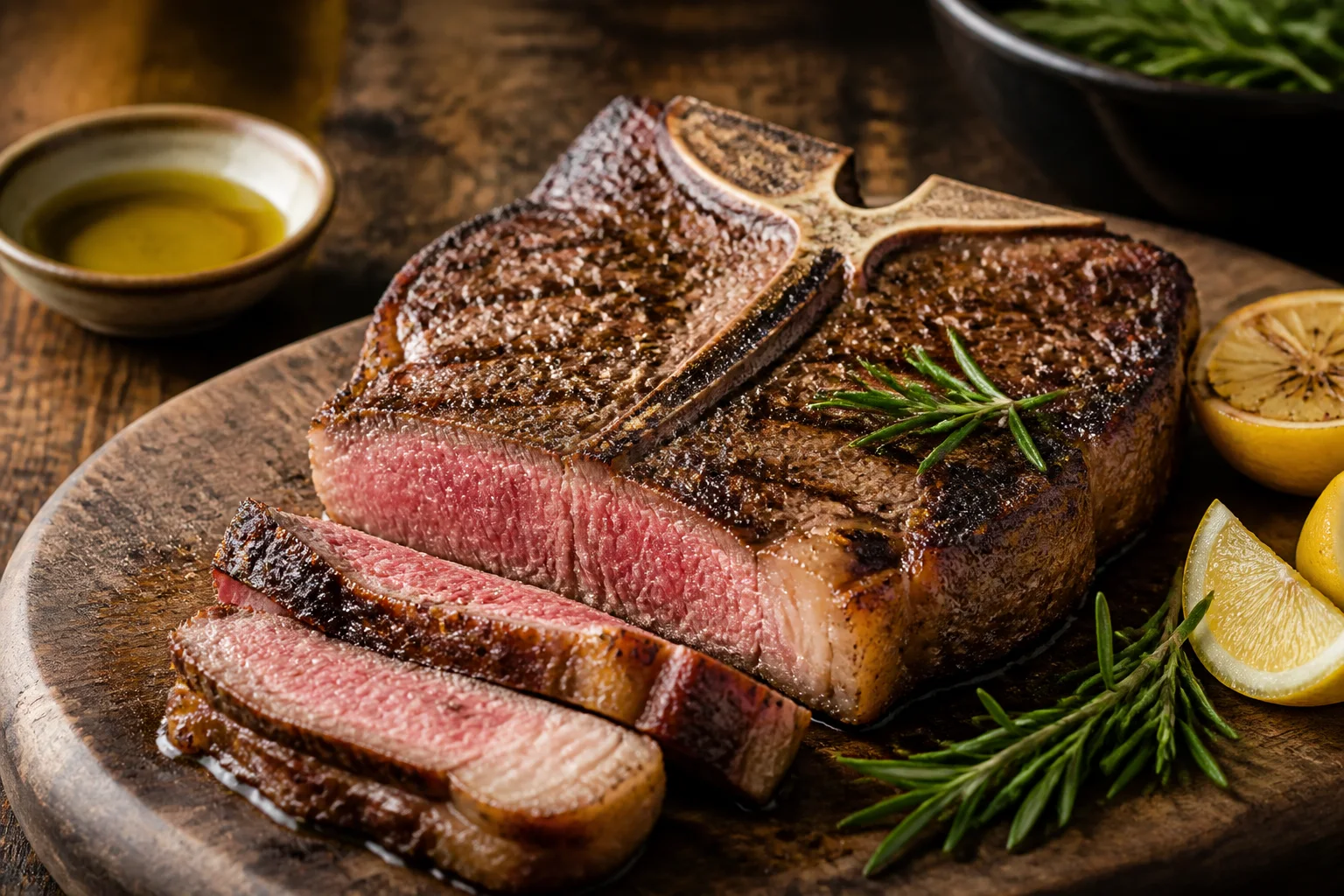
Read guideCook a Tuscan-style thick steak with restrained seasoning, live-fire control, rosemary and lemon, while separating style from protected origin claims.
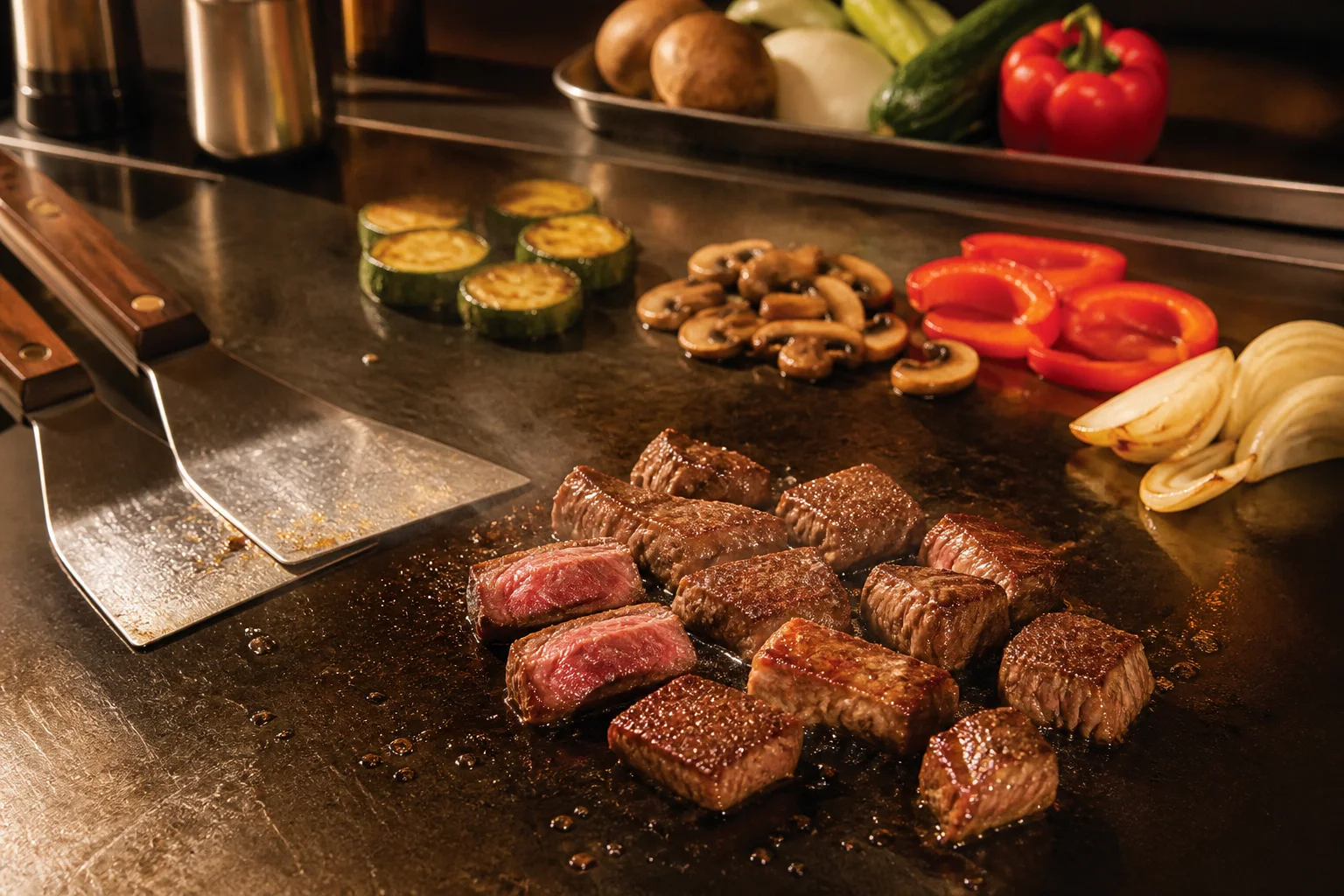
Read guideCook teppanyaki-style steak on a flat griddle with small even portions, staged vegetables and a light soy-garlic finish without overcrowding.
Read guide