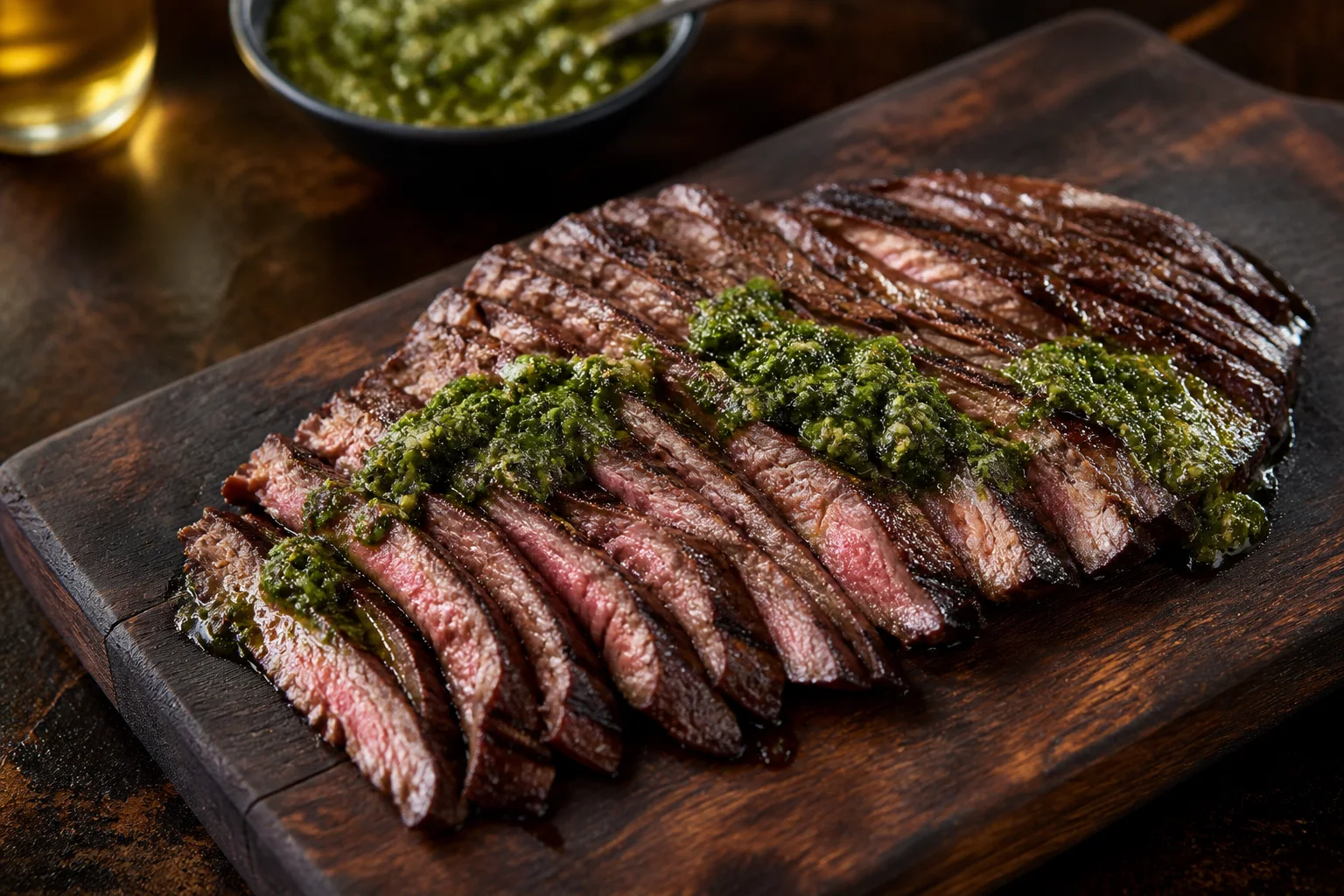
What Is Bavette Steak?
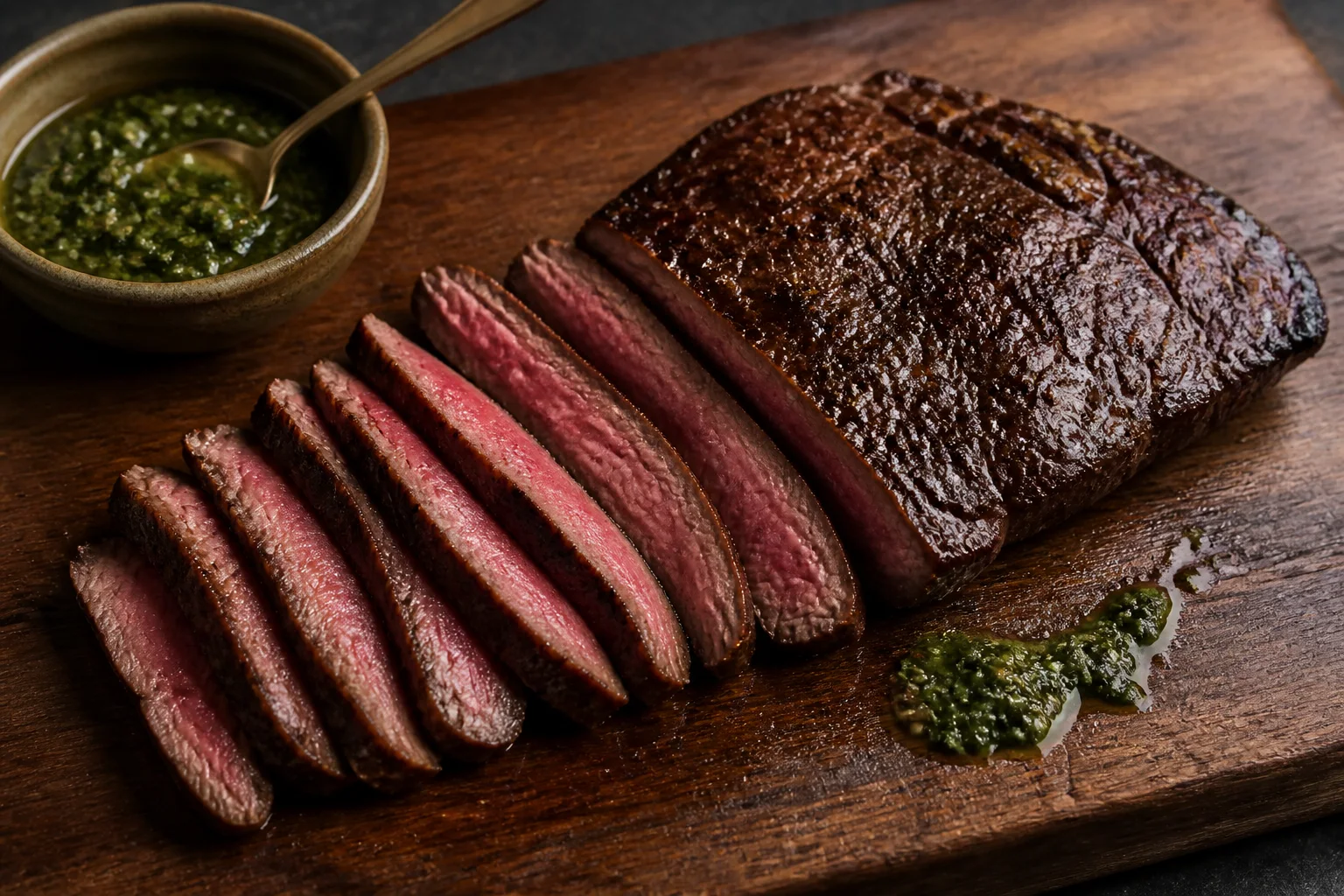
Bavette is the French word for bib and, in U.S. butcher usage, most often refers to sirloin flap: a flat, loose-grained muscle from the lower sirloin. International naming is not perfectly portable. Some shops use bavette more broadly, so ask whether the cut is sirloin flap rather than assuming every package means the same muscle.
It has a visibly open fiber structure, ragged shape and deep beef flavor. It is not picanha, which comes from the top sirloin cap, and it is not the more compact coulotte even when regional naming makes the sirloin case confusing.
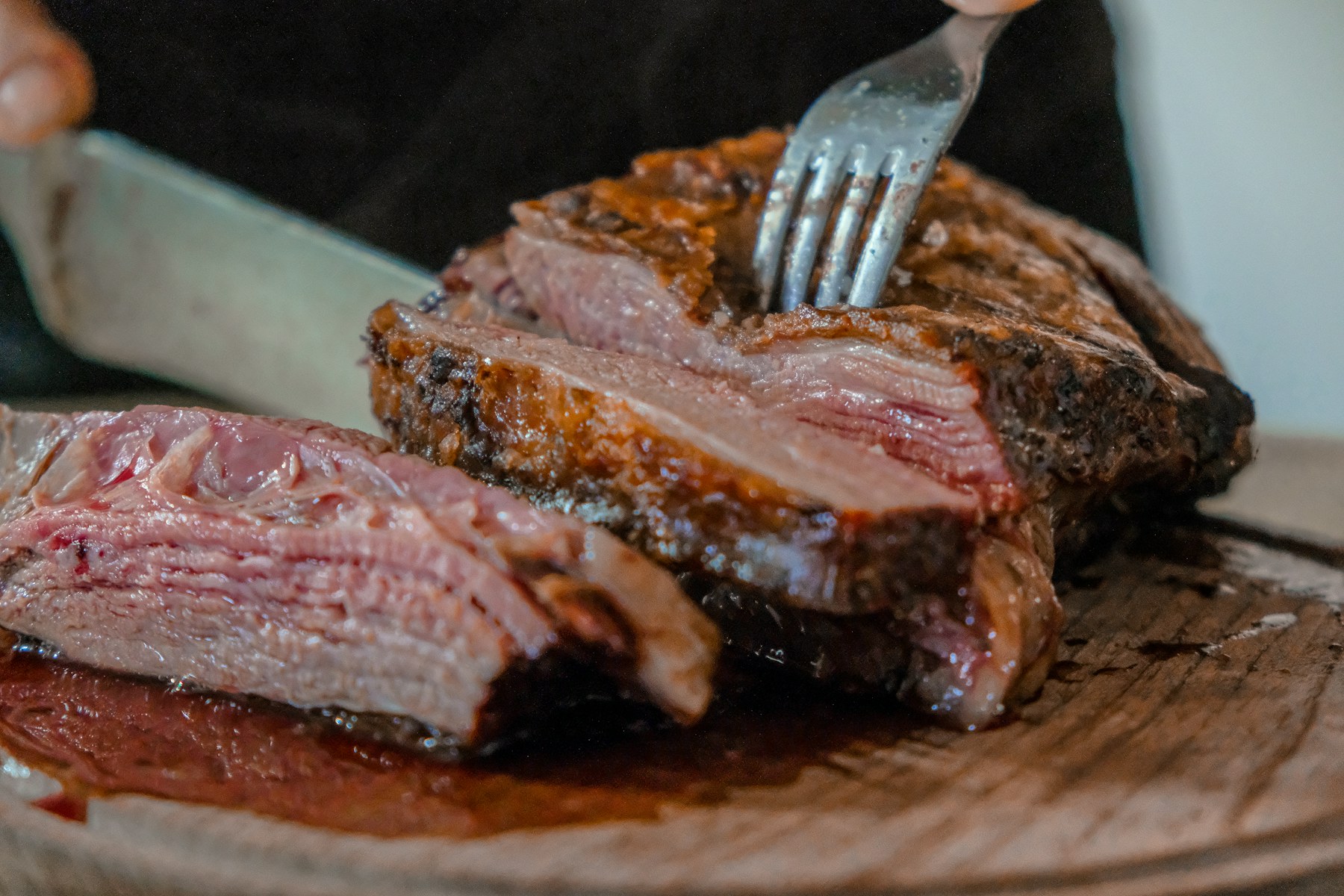
Bavette Steak at a Glance
Bavette steak is usually sirloin flap in the United States: a long, loose-grained bottom-sirloin muscle with strong beef flavor and an uneven, tapered shape. It is related in cooking behavior to flank and skirt, but it is not the same muscle.
| Identity point | Bavette answer |
|---|---|
| Common U.S. cut | Bottom sirloin butt flap steak; IMPS 1185A |
| Other useful names | Sirloin flap, flap steak, flap meat |
| Texture | Open grain, moderate tenderness, pronounced beef flavor |
| Best heat plan | Hot direct browning with a cooler zone for the tapered end |
| Essential finish | Rest, portion with the grain if needed, then slice thinly across it |
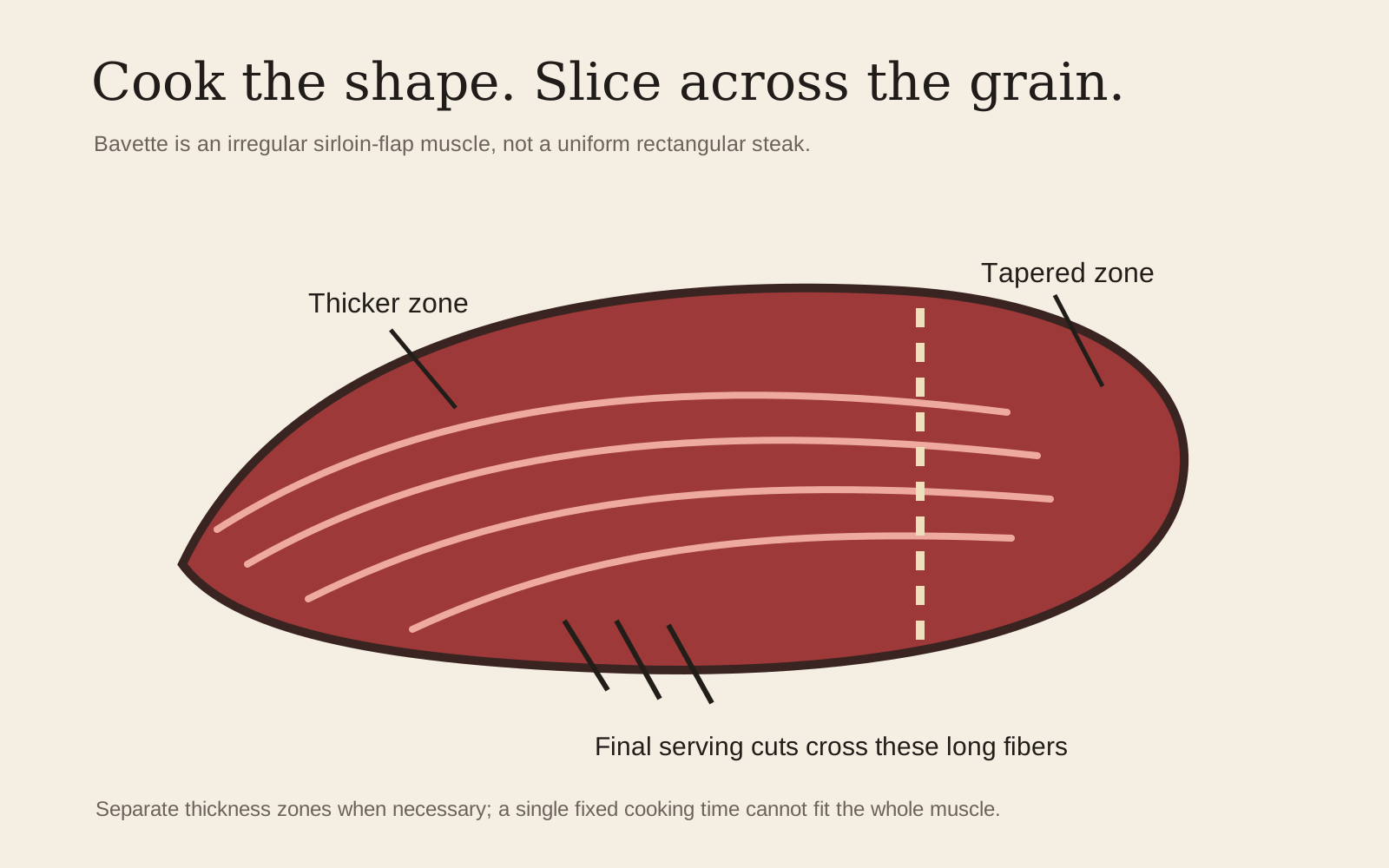
Texture, Marbling and Flavor
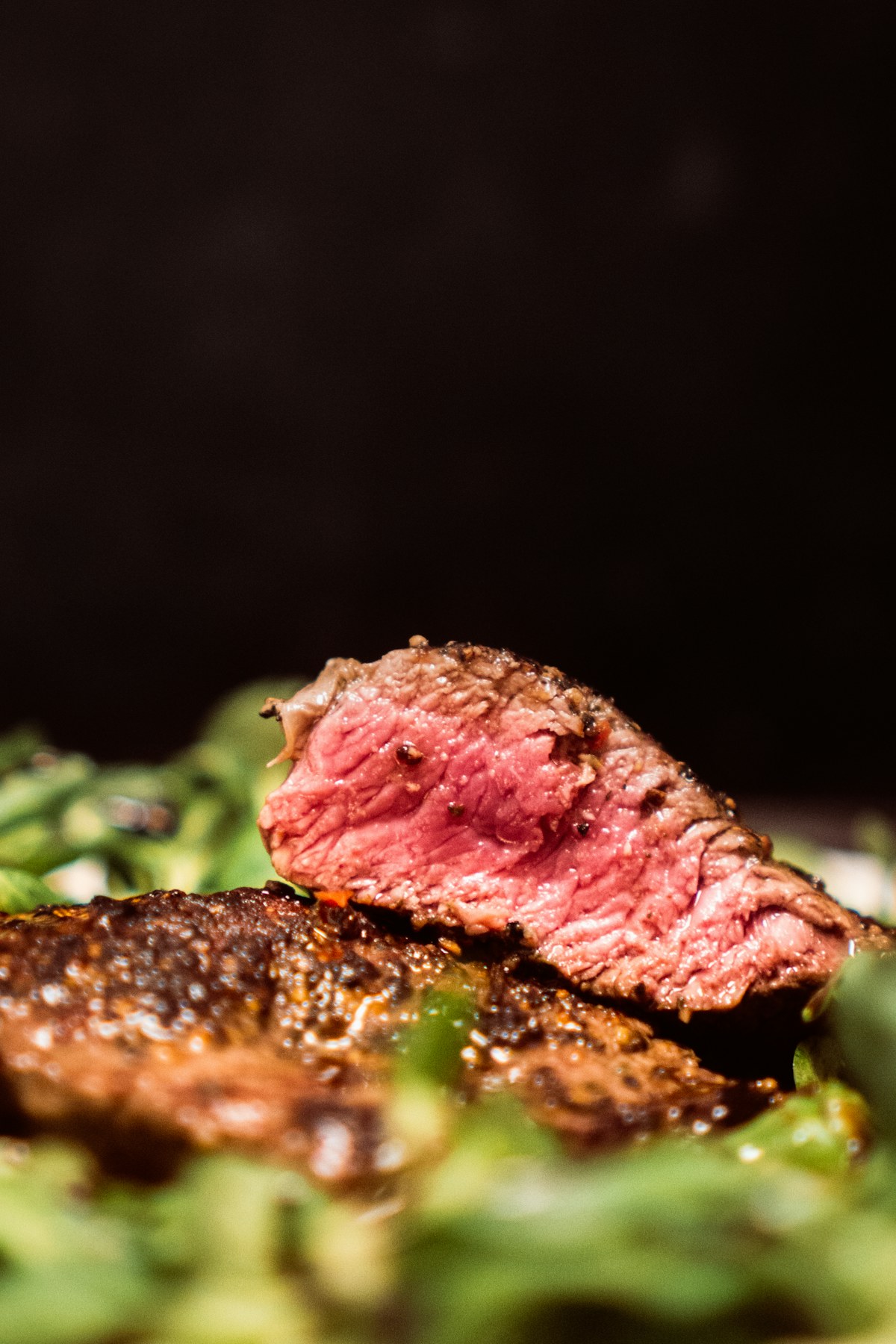
Bavette is tender enough for steak service but has more chew than ribeye. Its open grain holds marinades and surface seasoning, while fine marbling keeps it juicy. Cut incorrectly, those long fibers dominate every bite; sliced across the grain, the same steak feels far more tender.
How to Buy Bavette
- Ask specifically for sirloin flap or flap meat if 'bavette' is unfamiliar locally.
- Choose a piece with even thickness and visible fine marbling.
- Avoid confusing it with thin skirt, broad flank or a top sirloin cap.
- Plan to trim silverskin but keep soft intramuscular fat.
Best Way to Cook It
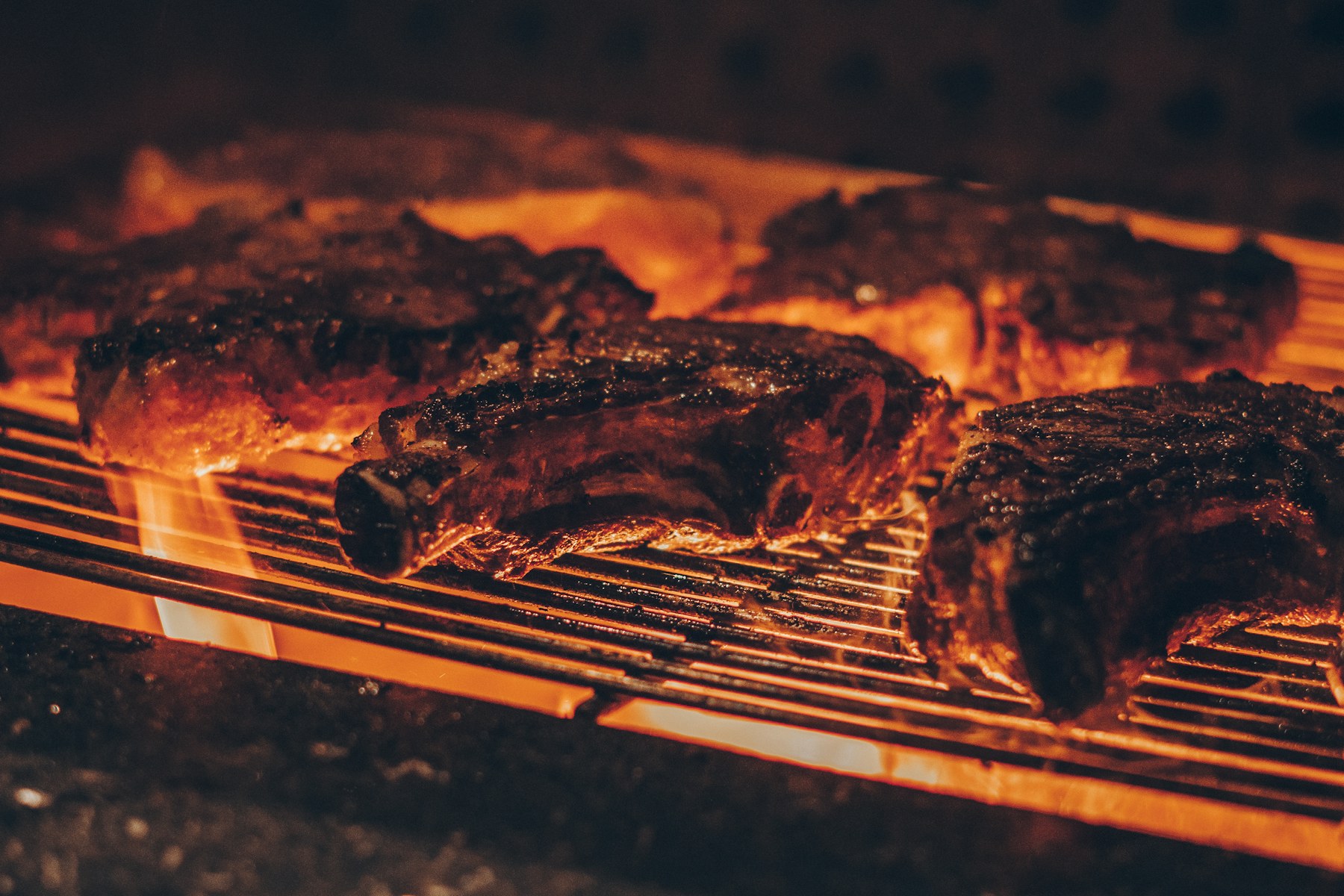
Pat dry and use a very hot grill or heavy pan. Because the shape tapers, position the thin end over slightly lower heat or fold it under. A dry brine works well; an acidic steak marinade should be brief enough that the surface does not turn mushy.
Track the thickest section with the steak temperature guide and rest briefly. The grilled steak guide explains two-zone control for irregular pieces.
How to Slice and Serve
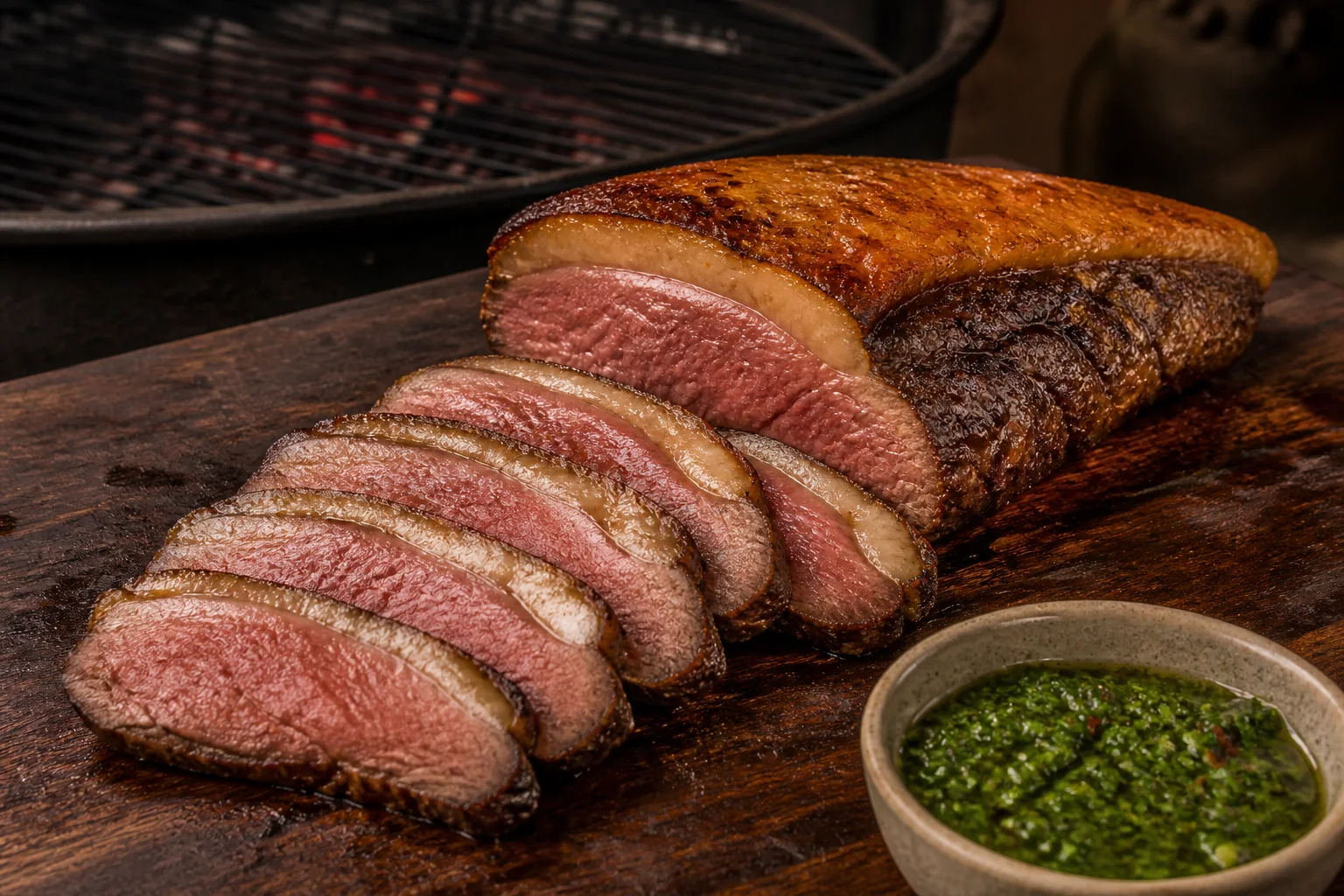
Before cooking, note the direction of the long fibers or make a tiny corner cut as a reminder. After resting, divide the steak into shorter sections, rotate each one and cut thin slices across the grain. Serve with chimichurri, shallot vinaigrette, charred onions or crisp potatoes.
Manage Bavette's Irregular Shape
Sirloin flap rarely arrives as a perfect rectangle. One end may be twice as thick as the other and surface folds can trap moisture. Unfold the steak, trim only loose membranes and divide it into two thickness groups if needed. Cooking those pieces separately is better than burning the thin end while waiting for the center.
Score no deep cuts into the lean; the open grain already accepts seasoning. If using a marinade, drain and blot each fold. Place the thickest section over the strongest heat and move the tapered part toward an indirect edge. Turn often because the loose grain can brown quickly around ridges.
After resting, first cut the long steak into manageable sections with the grain. Rotate each section 90 degrees and make thin final slices across it. This two-step carving is why online directions can appear contradictory. The first cuts portion the awkward shape; only the final serving cuts determine tenderness. Compare picanha carving to see how another sirloin cut creates a different grain puzzle.
Bavette Names and the Cut You Should Receive
In North American butcher usage, bavette most often means sirloin flap or flap meat from the bottom sirloin. In French, bavette can refer more broadly to several loosely grained steaks, so a translated menu or international recipe may not indicate the identical muscle. Ask for sirloin flap when the exact cut matters.
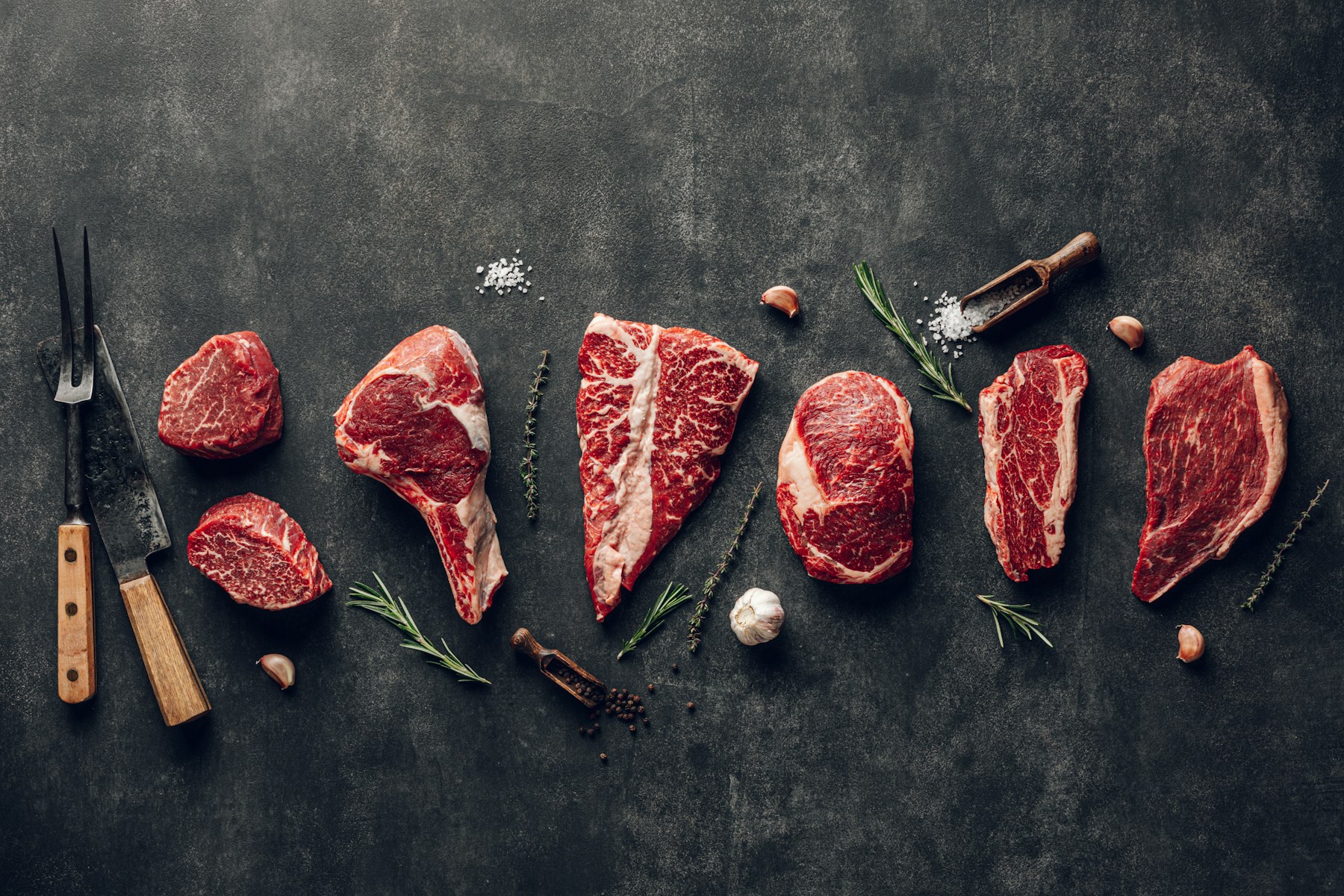
Bavette is broad, relatively thin and visibly coarse-grained. It is not flank steak, though both are cooked quickly and sliced across long fibers. It is also not skirt, which is narrower and comes from the plate/diaphragm region. The open texture and irregular shape are the most useful visual checks.
| Cut | General location | Typical distinction |
|---|---|---|
| Bavette / sirloin flap | Bottom sirloin | Loose grain, rich flavor, irregular broad shape |
| Flank | Flank primal | Leaner, flatter, more uniform sheet |
| Skirt | Plate / diaphragm | Narrower, very pronounced fibers and quick cooking |
Cook the Shape Instead of Forcing Uniformity
Unfold the steak and divide very thin and thick regions before cooking if necessary. Salt ahead, then blot every ridge and fold. A wet marinade can add surface flavor, but it must be drained and wiped away so the open grain browns instead of steaming. The steak marinade guide explains which ingredients burn over direct heat.
Use a very hot, uncrowded pan or two-zone grill. Place the thickest section over the strongest heat and keep tapered ends near the cooler edge. Turn frequently, begin checking early and stop before the lean fibers tighten excessively. A long rest does not rescue overcooked bavette.
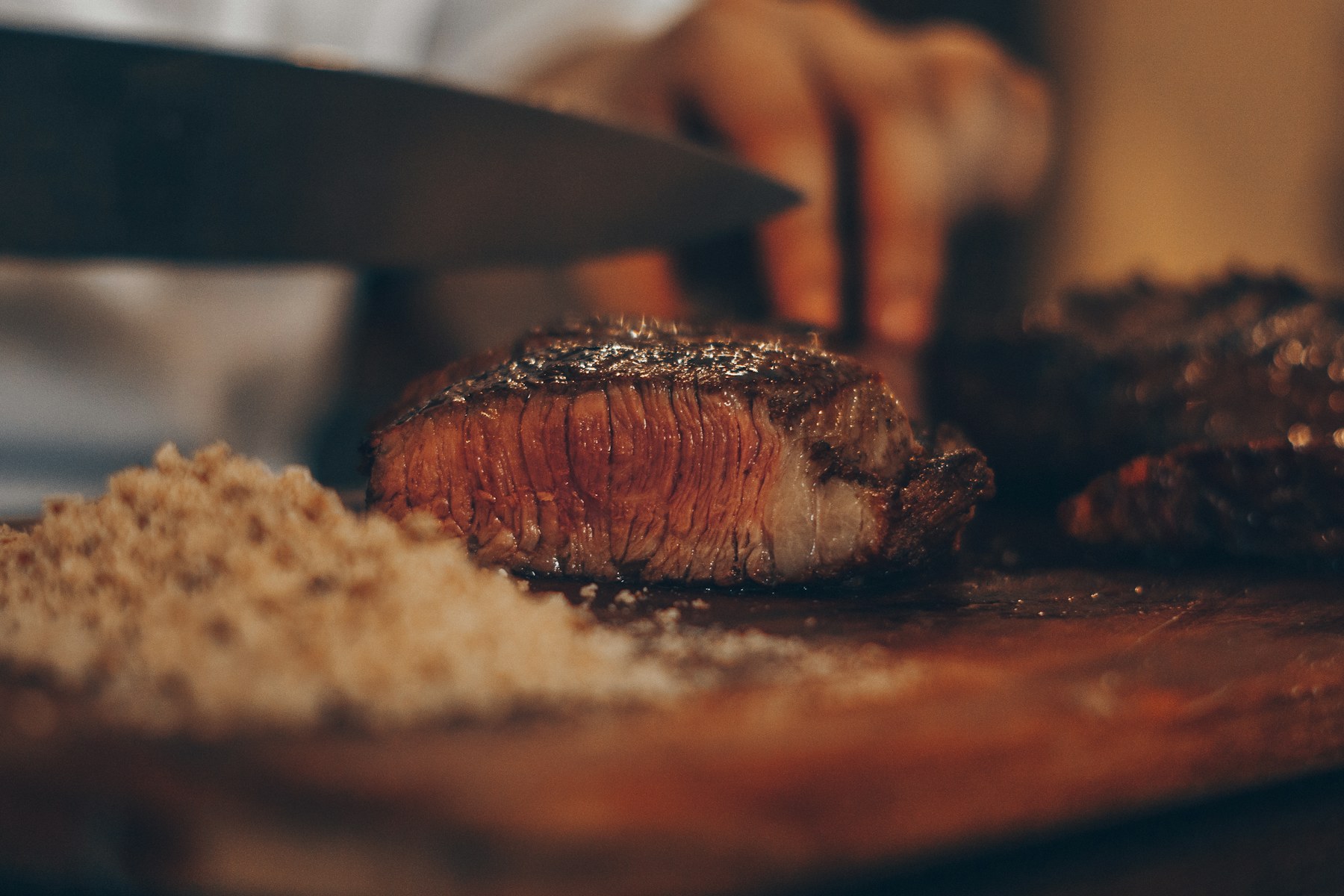
Use Bavette Where Its Texture Is an Asset
Serve thin slices in tacos, salads, rice bowls or alongside fries and herb sauce. The coarse grain holds chimichurri and pan juices well. Place sauce under or beside the meat so some browned ridges stay crisp.
For leftovers, chill the cooked steak in a larger piece and slice it cold. Reheat briefly in warm sauce or add at the end of a stir-fry; prolonged simmering hardens the fibers.
Bavette Troubleshooting at a Glance
A pale surface usually means the folds remained wet or the pan was crowded. Move the pieces apart, let the surface reheat and avoid extending the cook after the center is ready. Tough slices most often point to carving with the grain, excessive doneness or a mislabeled cut—not a need for a stronger acidic marinade.
If one end finishes first, remove it and keep the thicker section over heat. If the steak curls, move it frequently rather than pressing out moisture. Use board juices in the sauce and keep a few browned ridges dry.
Bavette vs Flank, Skirt and Hanger Steak
| Cut | General location | Grain and shape | Best decision |
|---|---|---|---|
| Bavette / sirloin flap | Bottom sirloin | Loose grain; broad and irregular | Choose for beefy slices, tacos, sandwiches and bistro-style plates |
| Flank | Flank primal | Broad, lean sheet with clear parallel grain | Choose for even thin slices and marinades |
| Skirt | Plate or diaphragm region | Long, narrow and deeply ridged | Choose for the fastest high-heat cook and intense flavor |
| Hanger | Hanging tender near the diaphragm | Thicker paired lobes with a center membrane | Choose for a compact butcher steak after proper trimming |
If a package labeled bavette is uniformly lean, very broad and evenly rectangular, ask whether it is actually flank. If it is extremely narrow and heavily ridged, compare it with the skirt steak guide. Correct identification prevents a cooking instruction from being blamed for the wrong muscle.
Choose the Bavette Cooking Plan by Shape
| What is in front of you | Heat strategy | Main control |
|---|---|---|
| Thin, even steak | Fast direct grill or heavy skillet | Dry surface and early temperature checks |
| Broad steak with a tapered end | Strong zone plus cooler zone | Keep the thin end away from the fiercest heat |
| Very irregular whole flap | Divide into thickness groups | Cook each piece to its own center, not one shared time |
| Marinated bavette | Drain and blot before direct heat | Remove surface moisture before browning |
Frequently Asked Questions
Is bavette the same as flank steak?
No in standard U.S. usage. Bavette usually means sirloin flap; flank comes from the flank primal. They share a flat shape and visible grain.
Is bavette tender?
It is moderately tender with an open grain. Thin cross-grain slicing is essential.
Should bavette be marinated?
It does not require a marinade, but its open grain carries surface flavors well. Do not rely on marinade to replace correct slicing.