Read the Steak Before Choosing a Method
A thin skirt steak and a three-inch tomahawk cannot follow the same clock. Record thickness, bone, fat, grain and tenderness. A marbled ribeye tolerates more heat than a lean sirloin tip; a loose-grained bavette needs careful slicing more than a long oven stage.
| Steak type | Useful method | Primary concern |
|---|---|---|
| Thin and lean | Very hot direct sear | Finish before drying |
| Medium-thick boneless | Cast iron or two-zone grill | Build crust evenly |
| Thick, well-marbled | Reverse sear | Control center and fat rendering |
| Large bone-in | Indirect heat + sear | Uneven geometry and probe placement |
Salt, Dry Surface and Starting Temperature
Salt either immediately before cooking or 8 to 24 hours ahead for a dry brine. Refrigerating uncovered on a rack gives the surface time to dry. The steak seasoning guide explains why pepper, sugar and herbs need different timing.
A thick steak will not reach room temperature throughout during a short counter rest. Remove the chill while equipment preheats, but use measured center temperature rather than a room-temperature ritual.
Choose Your Heat Strategy
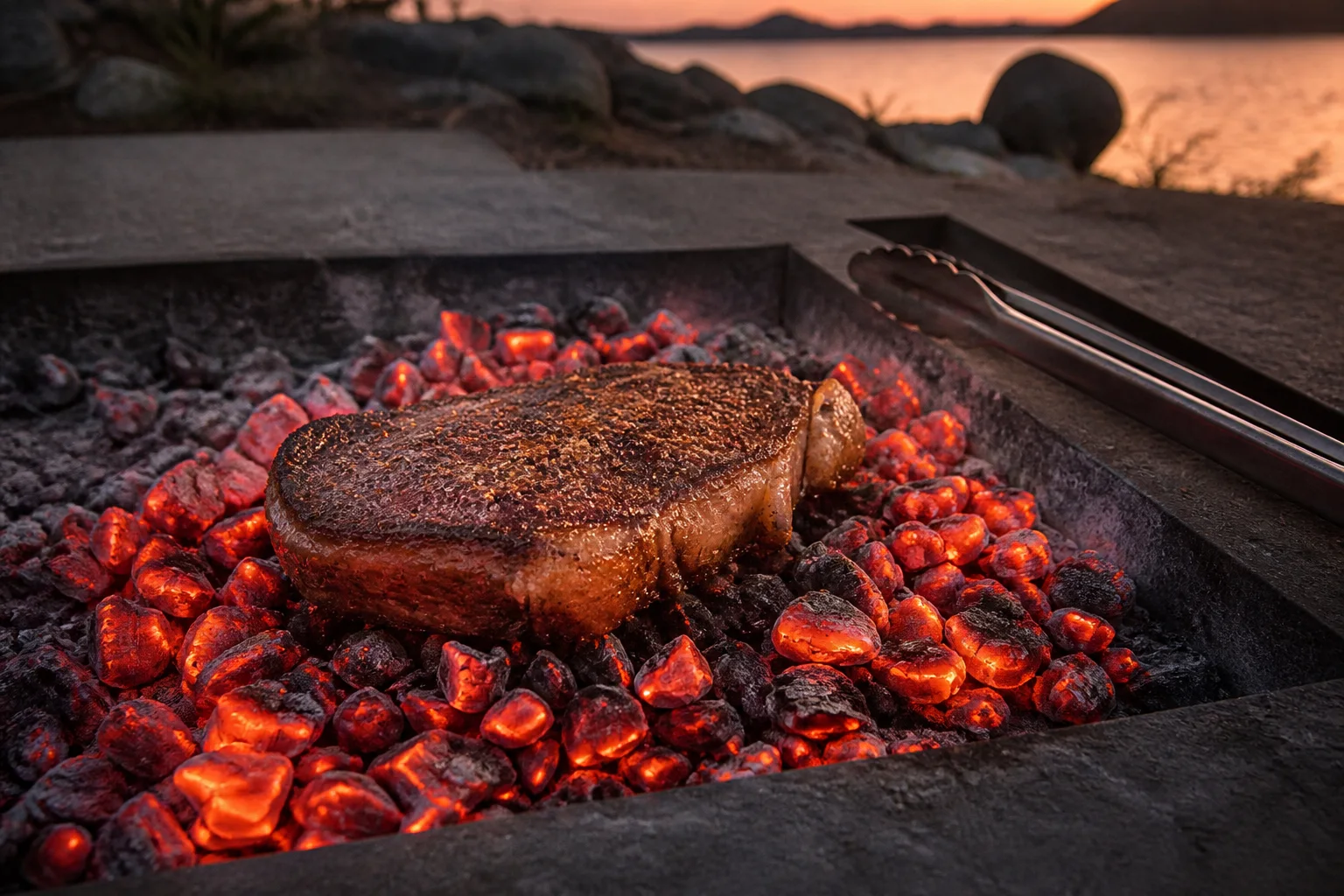
Use cast iron when the steak fits flat and is not so thick that the exterior burns before the center warms. Use a grill for direct and indirect zones. Use reverse searing for thick steaks, or add restrained wood aroma with the smoked steak method.
An oven-baked method is controllable indoors; an air fryer is convenient for smaller steaks; sous vide offers precise water-bath temperature at the cost of extra setup and a mandatory dry sear.
Build a Real Crust
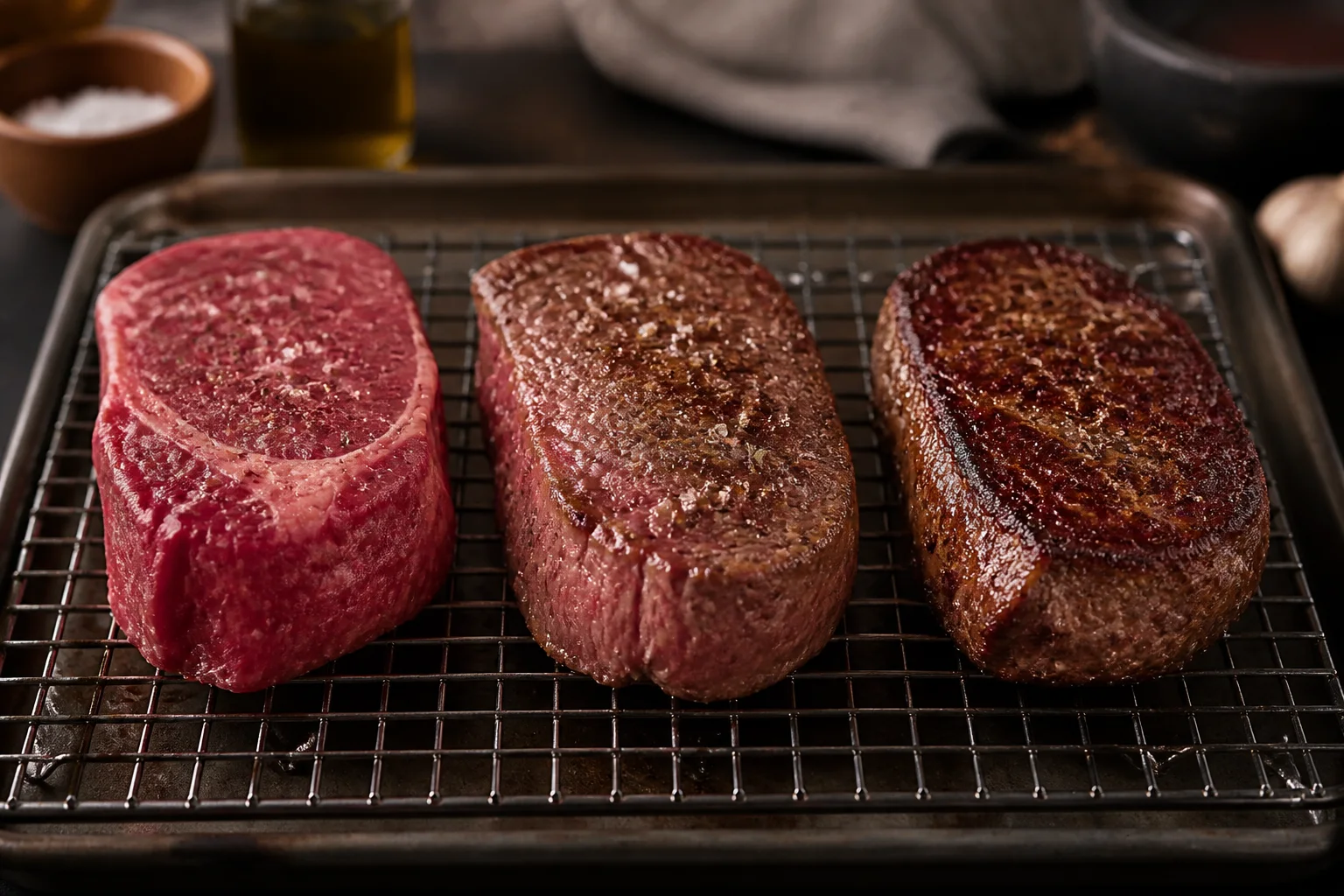
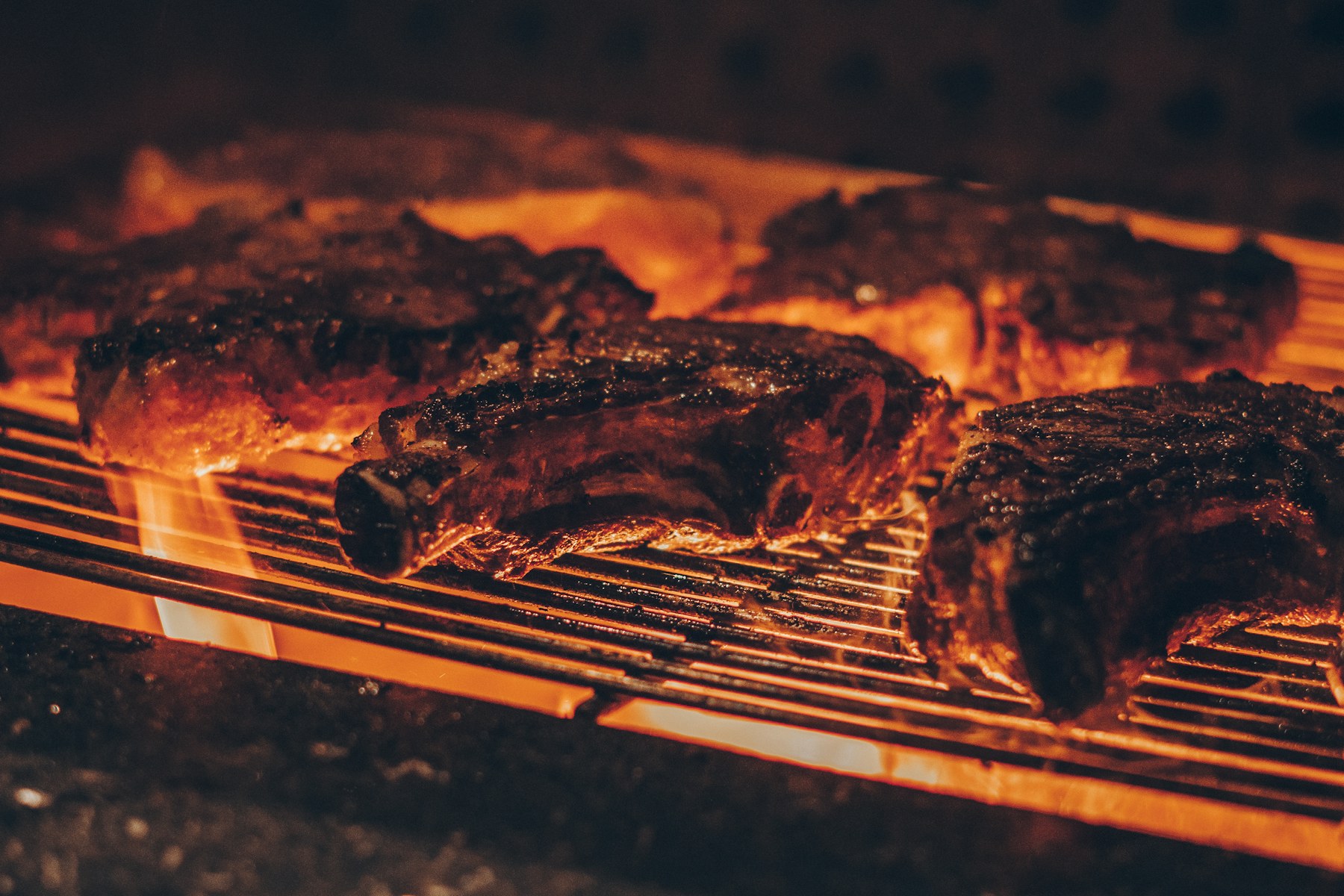
Moisture must evaporate before browning accelerates. Pat dry, preheat fully and avoid crowding. Turn frequently for even color. Butter, garlic and delicate herbs belong after the fierce initial sear, when heat can be reduced.
Measure the Center
Insert an instant-read thermometer into the thickest part from the side and check more than one point. Avoid bone, fat seams and the pan. The steak temperature guide distinguishes common culinary doneness ranges from USDA FSIS guidance of 145°F with at least a three-minute rest for whole beef steaks. If you are choosing the tool itself, compare response time, accuracy and probe design in our steak thermometer buying guide.
Rest, Then Slice With the Grain in Mind
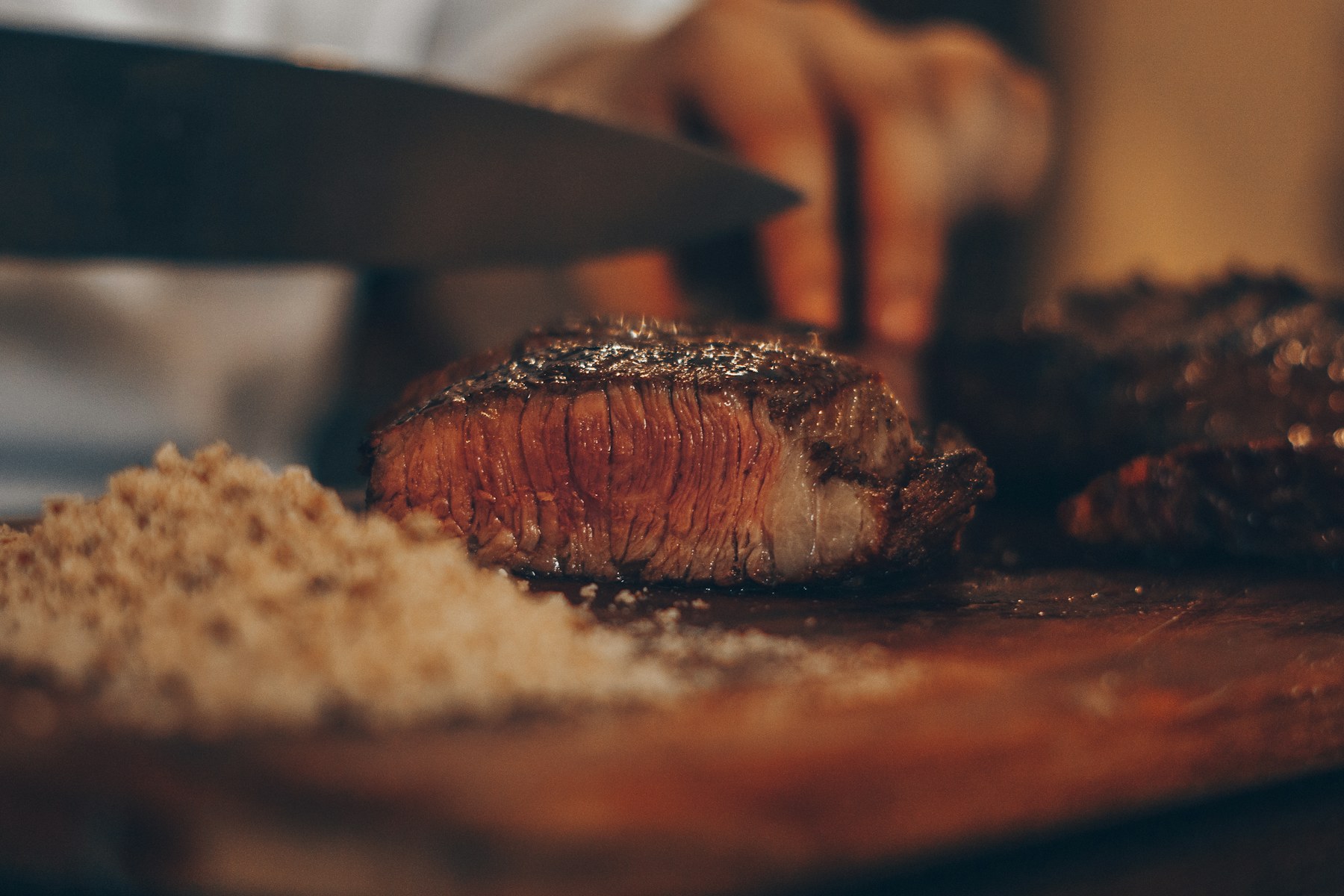
Rest until the temperature rise slows and the surface stops pushing out heavy steam. Then find the grain and cut across it. Tender cuts can take thicker slices; bavette, picanha and sirloin tip improve with thinner cross-grain cuts.
Fast Diagnosis
| Result | Likely cause | Next change |
|---|---|---|
| Pale and wet | Surface moisture or low heat | Dry longer; preheat fully |
| Burned outside, cool center | Steak too thick for direct-only heat | Use indirect or low oven first |
| Gray and dry | Thin steak cooked too slowly | Use a faster hotter sear |
| Tough despite pink center | Wrong cut or sliced with grain | Identify anatomy and change slicing |
Continue Through This Steak Topic
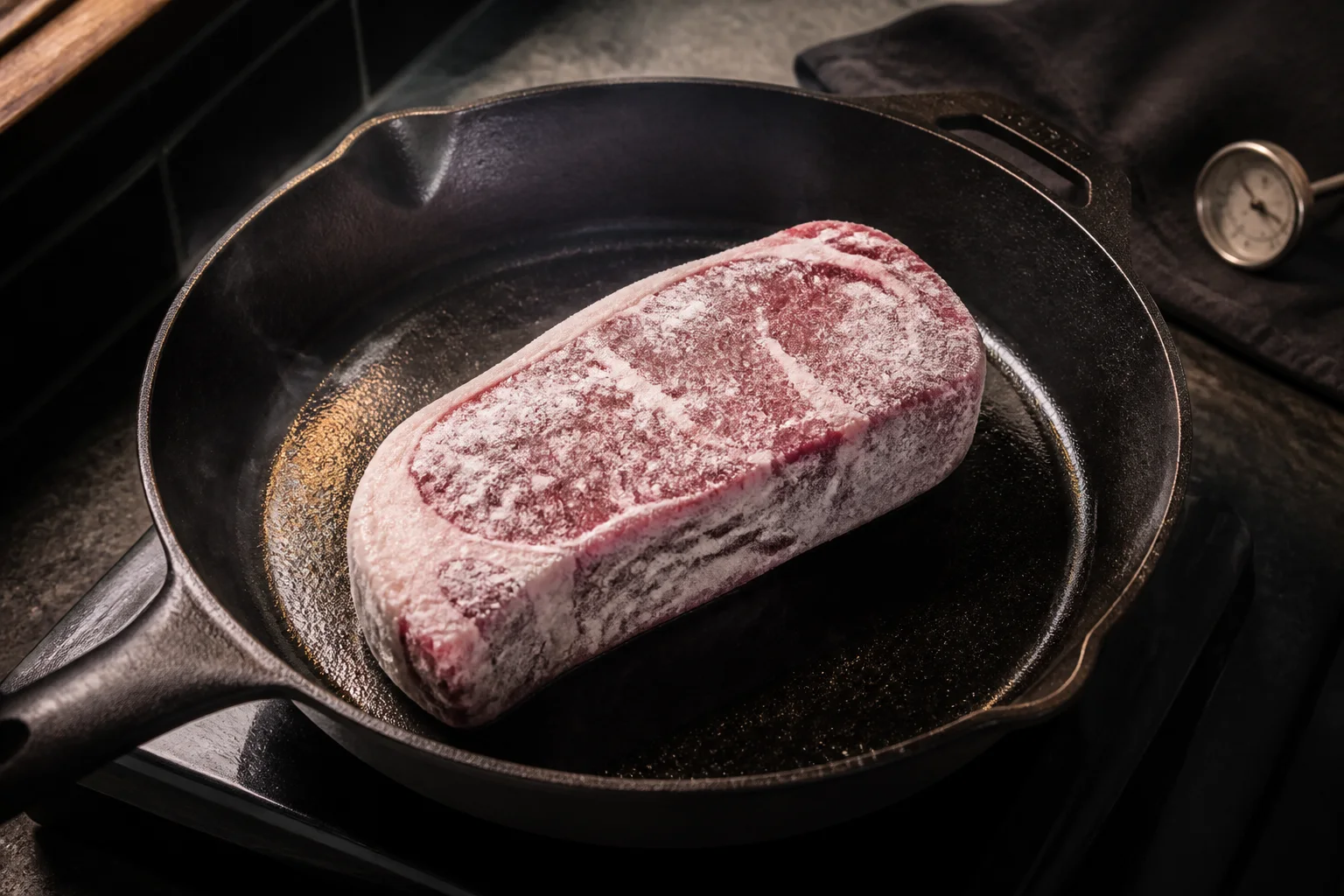
Build the full picture: Frozen Steak, and Caveman Steak cover the closely related cuts, methods, buying decisions and recipes that support this guide.
Frequently Asked Questions
What is the best way to cook steak?
Use direct high heat for thin steaks, cast iron or two-zone grilling for medium steaks, and reverse searing for thick steaks.
Should steak be room temperature?
It does not need to become room temperature throughout. A short rest while equipment heats is fine; measure the actual center.
How often should steak be flipped?
Frequent turning can create even browning and a smaller gray band. One-flip rules are not required.
Why rest steak?
Resting lets the temperature gradient settle and reduces the pressure driving juices toward the cut surface.