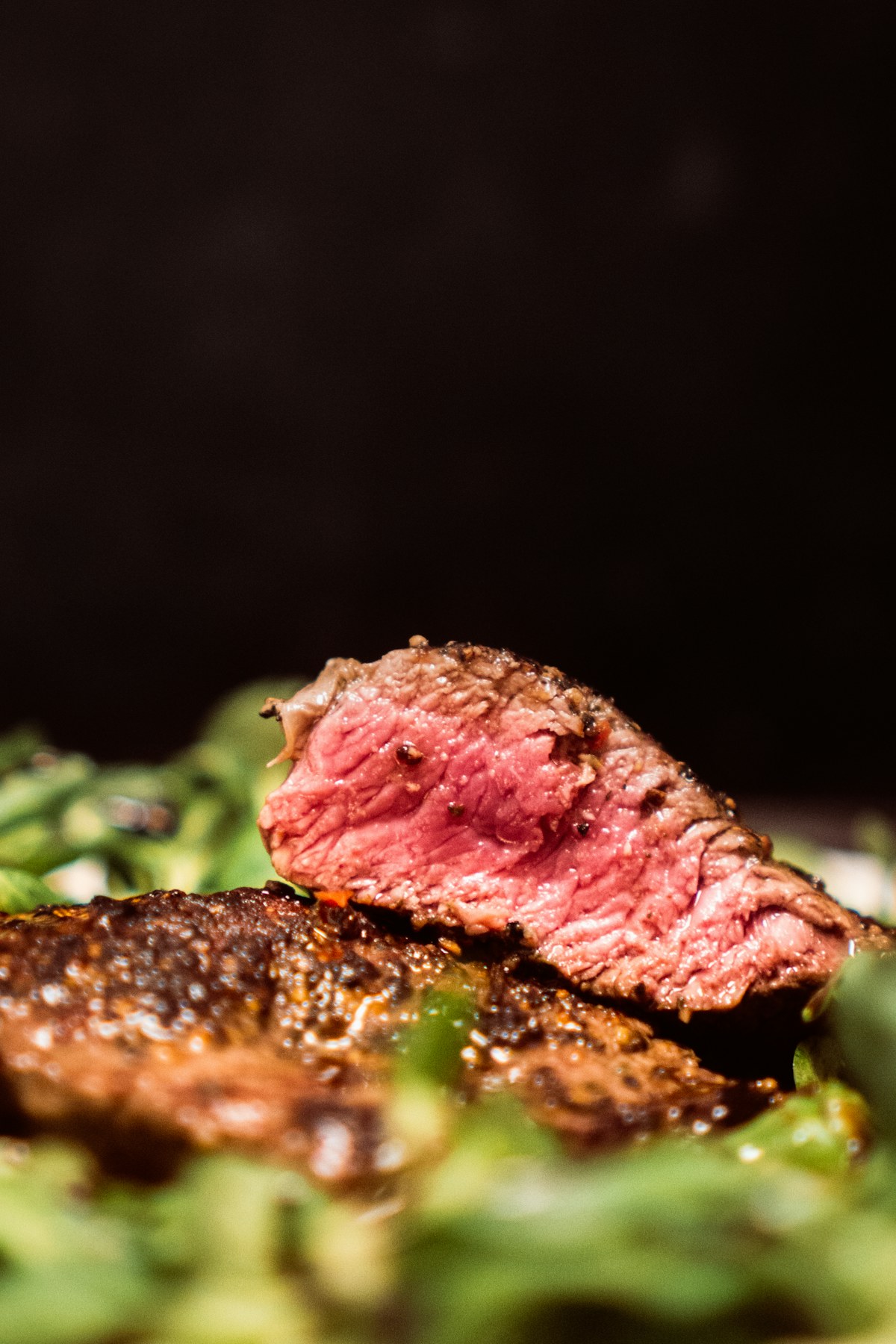
Steak doneness, side by side
Common culinary ranges shown in both units. USDA safety guidance appears below and is not the same as preference.
Rare
120–125°F49–52°CCool red center · very soft
Medium Rare
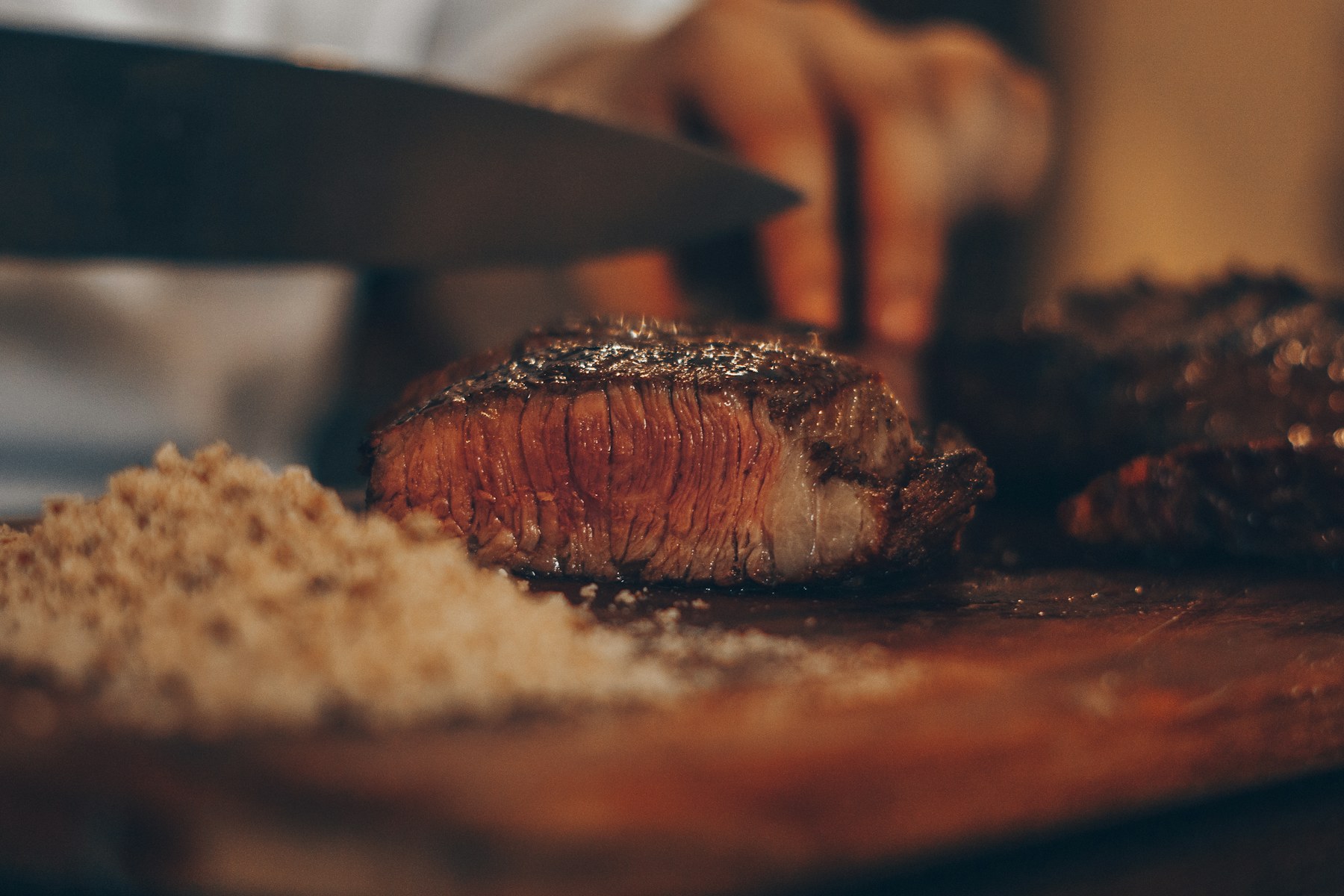
130–135°F54–57°CWarm red-pink · tender
Medium
140–145°F60–63°CWarm pink · springy
Medium Well
150–155°F66–68°CFaint pink · firm
Well Done
160°F+71°C+Little pink · very firm
Safety: USDA FSIS recommends 145°F/62.8°C for whole beef steaks, followed by at least a three-minute rest. Ground beef guidance differs.
Steak Doneness Chart
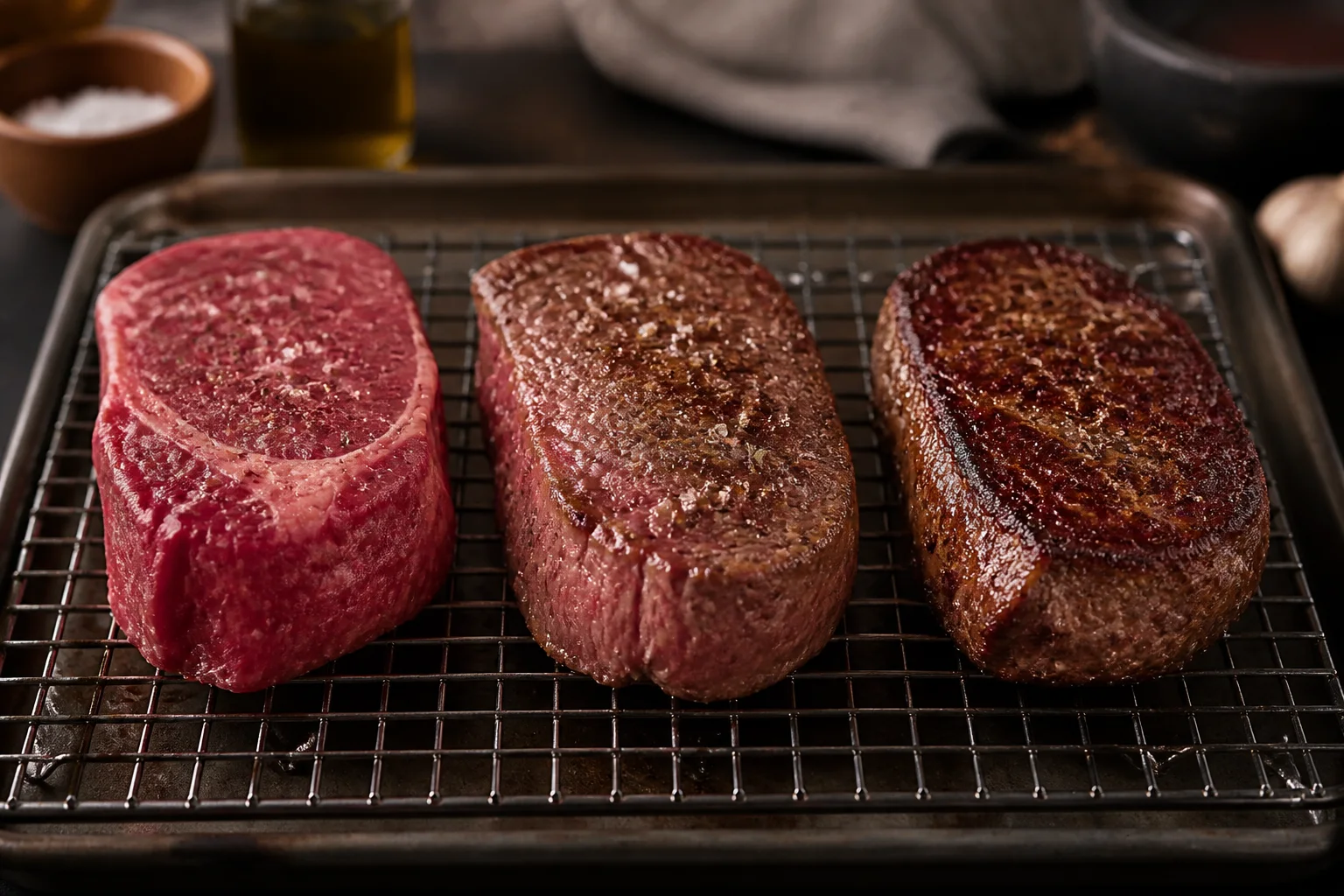
The visual guide below shows commonly used culinary ranges. They help describe texture and color but do not override official food-safety advice. The USDA FSIS recommendation for whole beef steaks is 145°F/62.8°C followed by at least a three-minute rest.
| Doneness | Common culinary range | Center | Texture |
|---|---|---|---|
| Rare | 120–125°F / 49–52°C | Cool red | Very soft |
| Medium rare | 130–135°F / 54–57°C | Warm red-pink | Tender, springy |
| Medium | 140–145°F / 60–63°C | Warm pink | Firmer; fat more rendered |
| Medium well | 150–155°F / 66–68°C | Faint pink | Firm |
| Well done | 160°F+ / 71°C+ | Little visible pink | Very firm |
Doneness Preference vs Food Safety
Doneness is a sensory preference. Safety depends on pathogen reduction, which is affected by time, temperature, handling and whether meat is intact or ground. USDA FSIS advises cooking raw beef steaks, chops and roasts to a minimum 145°F/62.8°C before removal from heat, followed by at least three minutes of rest.
How to Measure Correctly
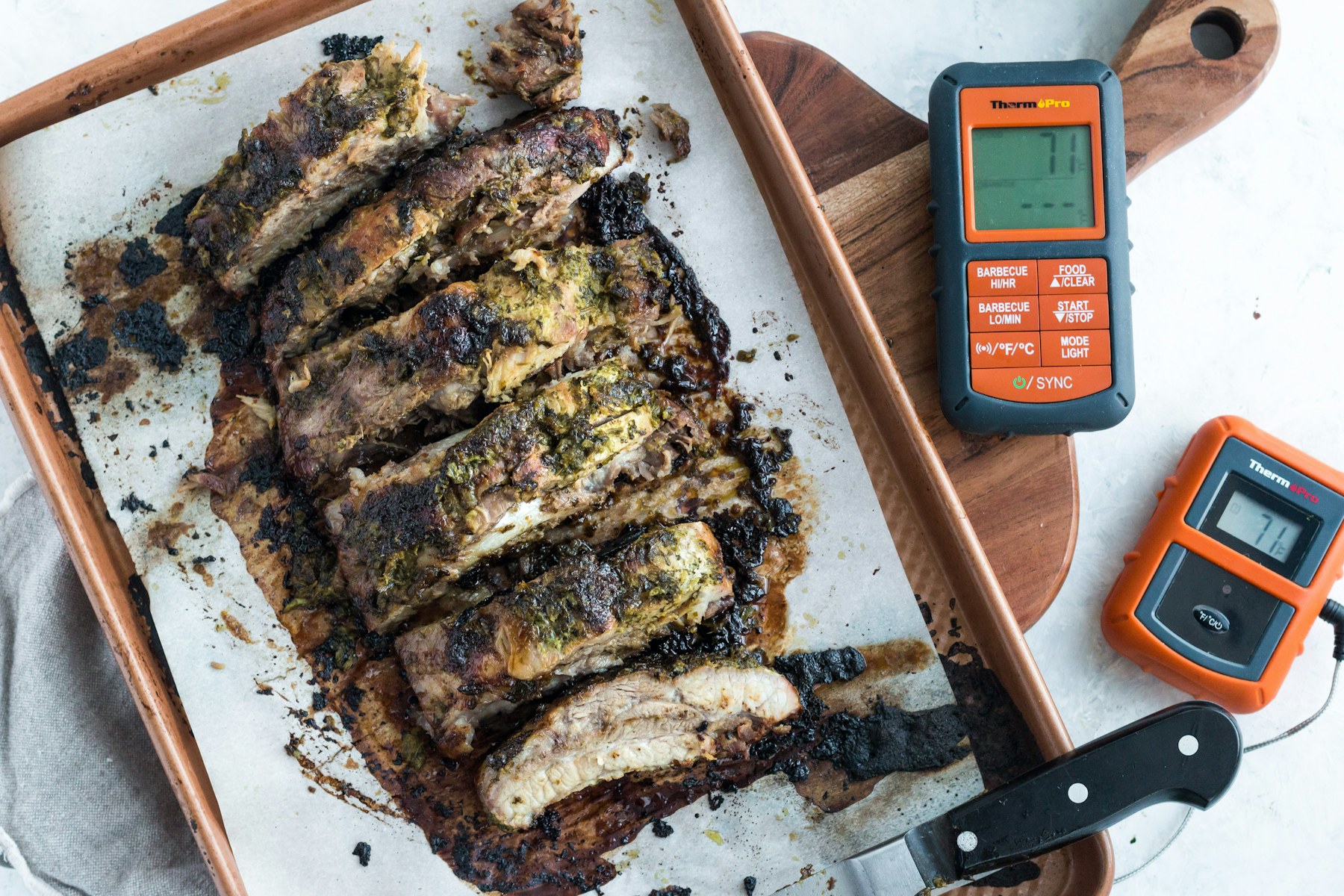
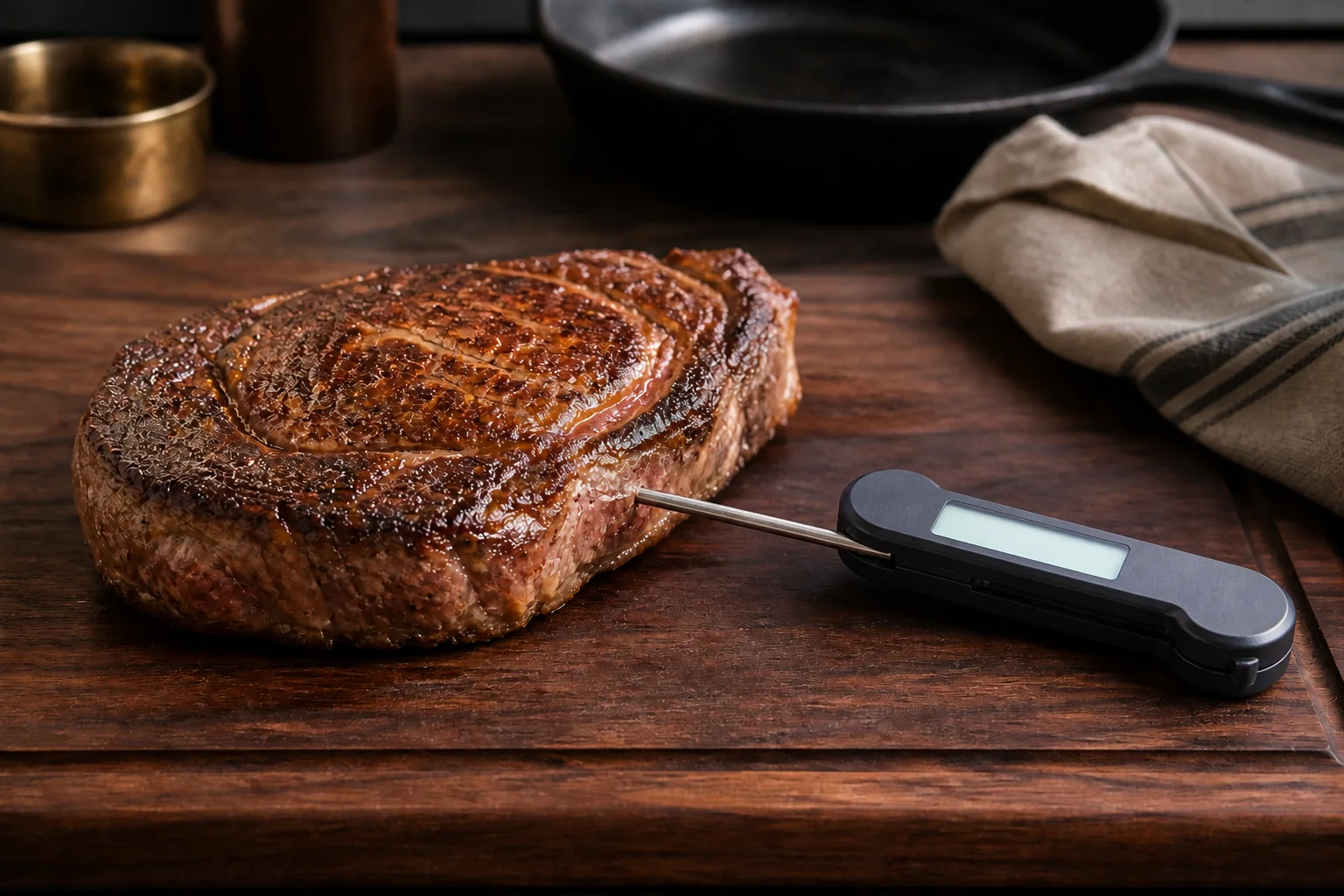
- Insert from the side into the thickest center of the steak.
- Avoid bone, a large fat seam, the pan and the grill grate.
- Move the tip slightly and look for the coolest central reading.
- On a porterhouse, check both strip and tenderloin.
- Clean the thermometer before and after use.
This technique matters for thick tomahawk, marbled ribeye and irregular picanha alike. The broader how to cook steak guide helps choose the method before temperature takes over.
Carryover Cooking
After leaving heat, the hotter exterior transfers energy toward the cooler center. A large steak coming from a hot oven can rise more than a thin steak cooked gently. Resting surface, tenting and the final sear also matter. Instead of always subtracting five degrees, watch the temperature trend and learn your setup.
The handoff is especially important in reverse searing and smoked steak, where a final high-heat stage follows the gentle cook.
The Cut Changes the Best Eating Temperature
Tenderloin has little fat and can feel delicate at a lower culinary doneness. Ribeye and Wagyu carry more internal fat, which softens with heat and may eat better closer to medium for some diners. Bavette and sirloin tip depend heavily on cross-grain slicing regardless of temperature.
Why Color Is Not a Thermometer
Interior color changes with lighting, oxygen exposure, pH, aging, freezing and cooking method. A steak can appear pink after reaching a higher temperature or brown before it reaches a safe one. Juices and touch are equally imprecise. Use measured temperature.
Choose and Check a Thermometer
An instant-read thermometer is best for spot checks; a leave-in probe follows a thick steak through an oven or smoker. Check accuracy in an ice bath according to the manufacturer's instructions. Thin steaks need a side-entry probe with a small sensing area.
Our steak thermometer buying guide explains which specifications matter, when an instant-read design is enough and when a leave-in probe is the better second tool. If you are planning a cook, the steak cooking-time calculator gives an estimate but always returns the thermometer as the final control.
Steak Temps, Charts and Exact Conversions
Steak temps, steak temperatures, a steak chart and a steak temperature guide all point to the same decision: choose a culinary target, allow for carryover, then verify the coolest part with a thermometer. A chart is a reference—not proof that a steak cooked for a certain number of minutes reached its target.
| Search or value | Exact conversion | How to use it |
|---|---|---|
| 125°F to Celsius | 51.7°C | A culinary temperature reference, below USDA's whole-beef safety endpoint |
| 130°C to Fahrenheit | 266°F | A low oven setting, not a sensible finished center temperature |
| 145°F | 62.8°C | USDA minimum for intact beef steaks and roasts, followed by a 3-minute rest |
| 160°F | 71.1°C | USDA minimum for ground beef |
Use the formula °C = (°F − 32) × 5/9 or °F = (°C × 9/5) + 32. For live cooking, round only after calculating and keep the units visible. Then place the probe through the side into the thickest center, away from bone, large fat seams and the pan.
A Steak Temperature Chart and a Cooking-Time Chart Do Different Jobs
A doneness chart describes a measured center. A cooking-time chart estimates when that center might occur under one equipment setup. Thickness, cut shape, bone, starting temperature, grate output, pan recovery and flipping pattern all change the elapsed time, so minutes cannot verify doneness.
| Reference | What it answers | What it cannot prove |
|---|---|---|
| Internal-temperature chart | The center temperature at the probe location | That every point in an irregular steak is identical |
| Minutes-per-side chart | When to begin checking under similar conditions | The actual center temperature in your kitchen |
| Finger or color test | A rough sensory impression | Food safety or an exact number |
| Instant-read thermometer | The coolest measured point when placed correctly | A correct result if the probe touches bone, fat or the hot surface |
Use the grilled steak timing table to schedule the first check, then use this page for the measured decision. For thick filets, the reverse-sear filet mignon method separates gentle center heating from final crust.
Continue Through This Steak Topic
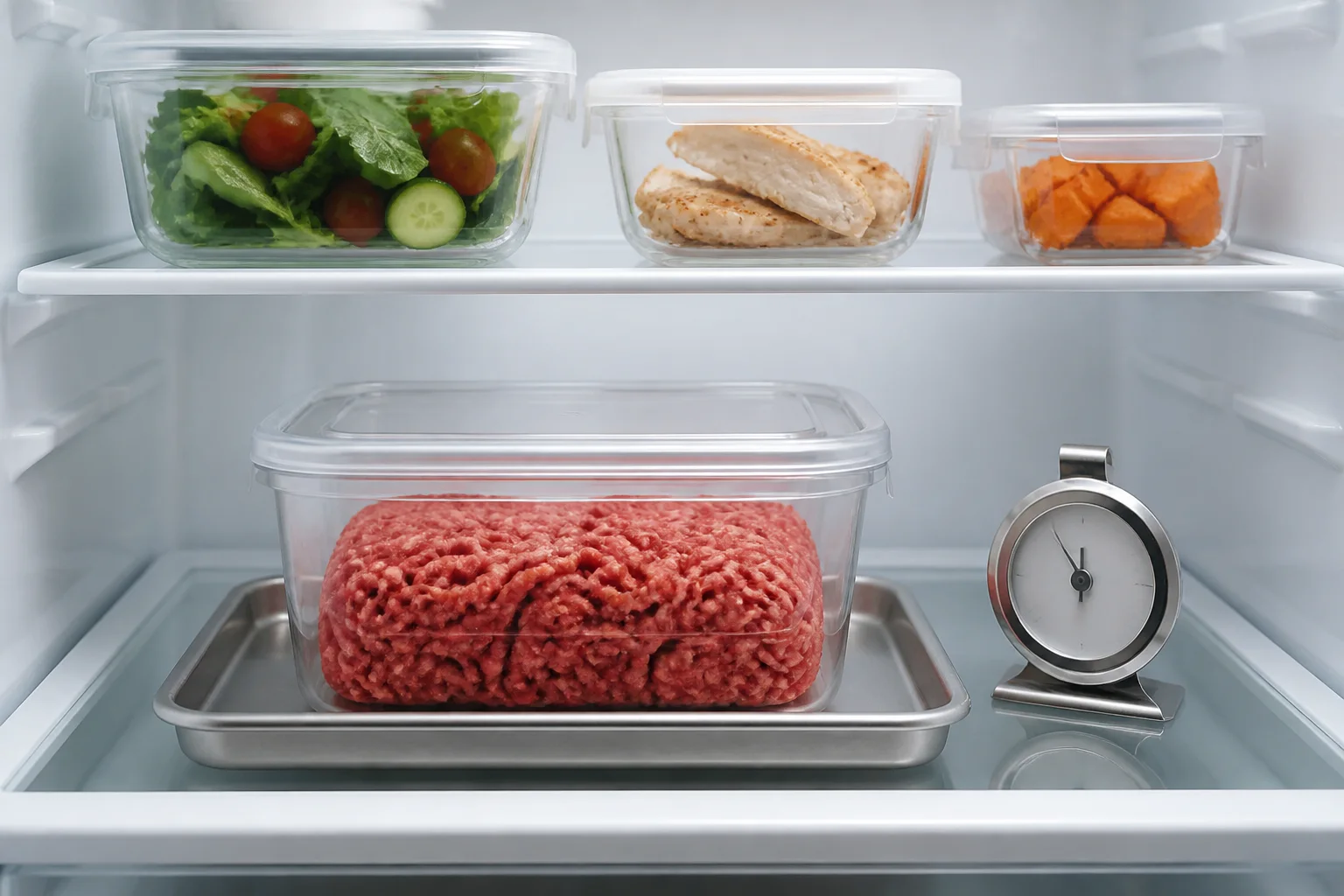
Build the full picture: best meat thermometer for steak, and How Long Is Ground Beef Good in the Fridge? cover the closely related cuts, methods, buying decisions and recipes that support this guide.
When you need to compare across families or techniques, continue with how to cook steak, Reverse Sear Steak, and steak cooking time calculator. These pages answer adjacent questions without forcing every detail into one overgrown article.
Frequently Asked Questions
What temperature is medium-rare steak?
A common culinary range is 130–135°F/54–57°C in the center. This preference range differs from USDA FSIS safety guidance.
What does USDA recommend for whole beef steak?
USDA FSIS recommends at least 145°F/62.8°C followed by a minimum three-minute rest for whole beef steaks, chops and roasts.
How much does steak rise while resting?
There is no fixed rise. Thickness, mass, previous cooker heat, sear intensity and resting setup change carryover.
Where do I insert the thermometer?
From the side into the thickest central lean, away from bone, fat seams and hot cookware.
Can touch determine doneness?
Touch can become a personal clue, but it cannot reliably verify safe temperature. Use a food thermometer.
Sources & further reading
- USDA FSIS — Safe Minimum Internal Temperature Chart — Official whole-steak and ground-beef temperature guidance.
- USDA FSIS — Doneness Versus Safety
- USDA FSIS — Food Thermometers