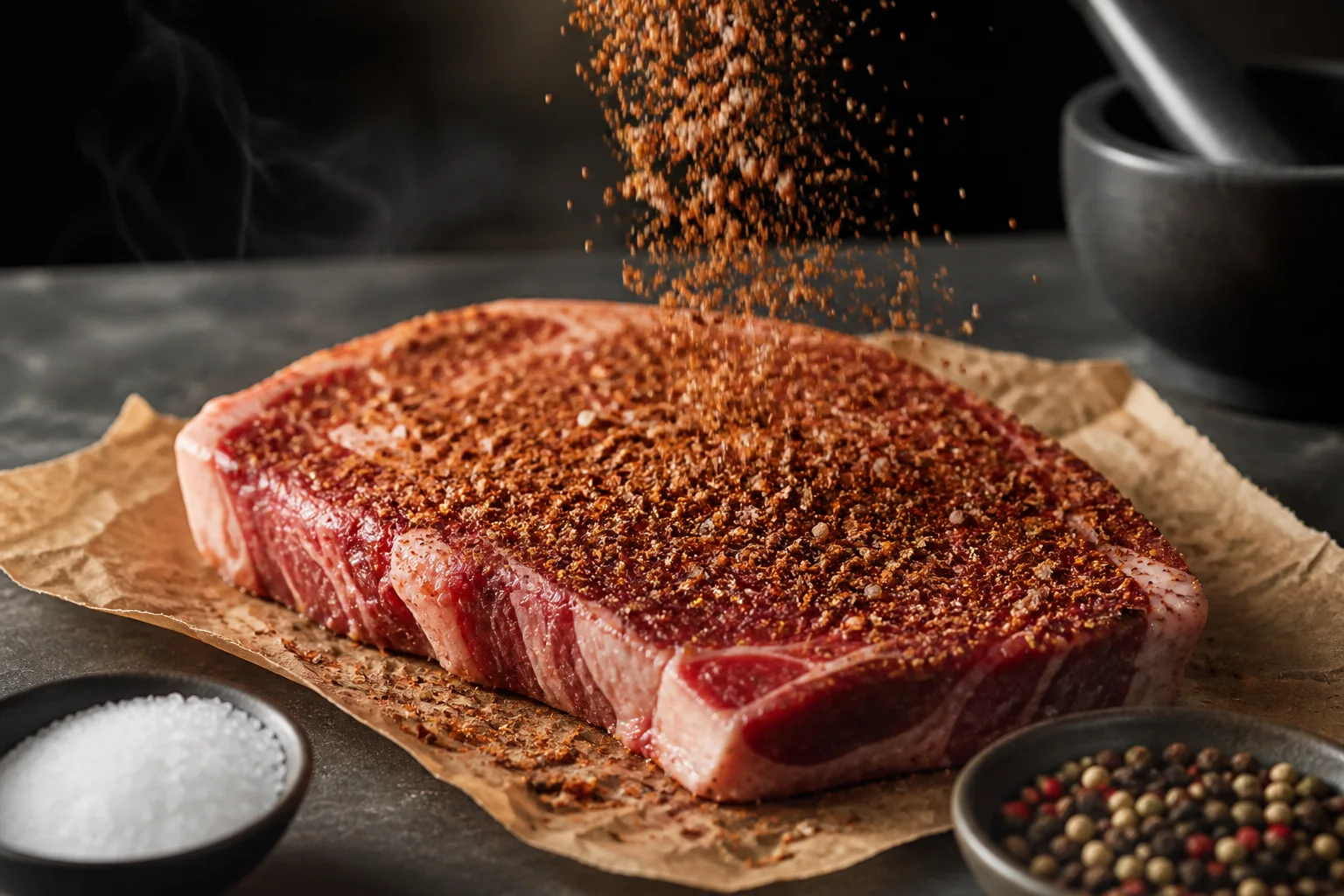
Salt Now or Salt Well Ahead
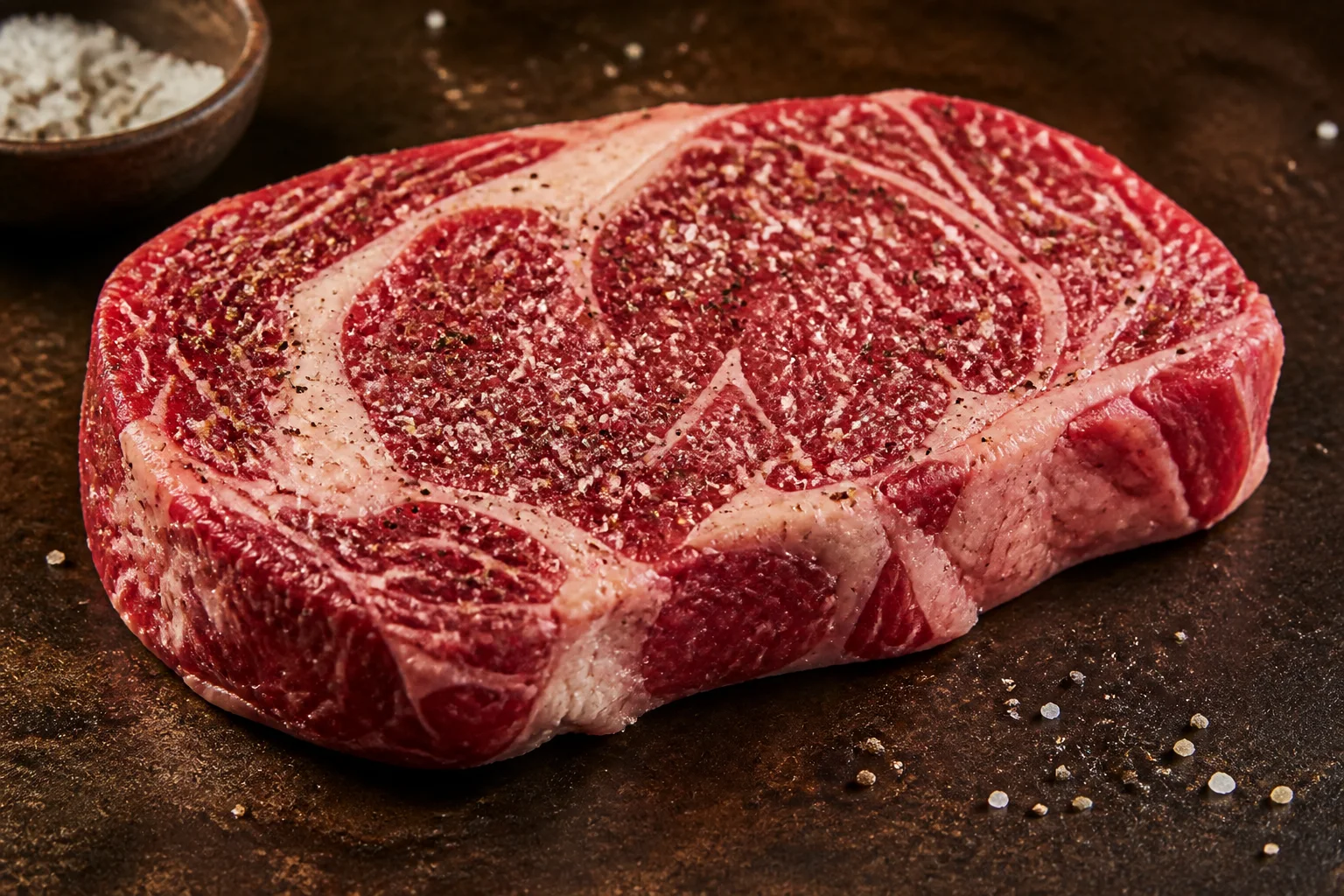
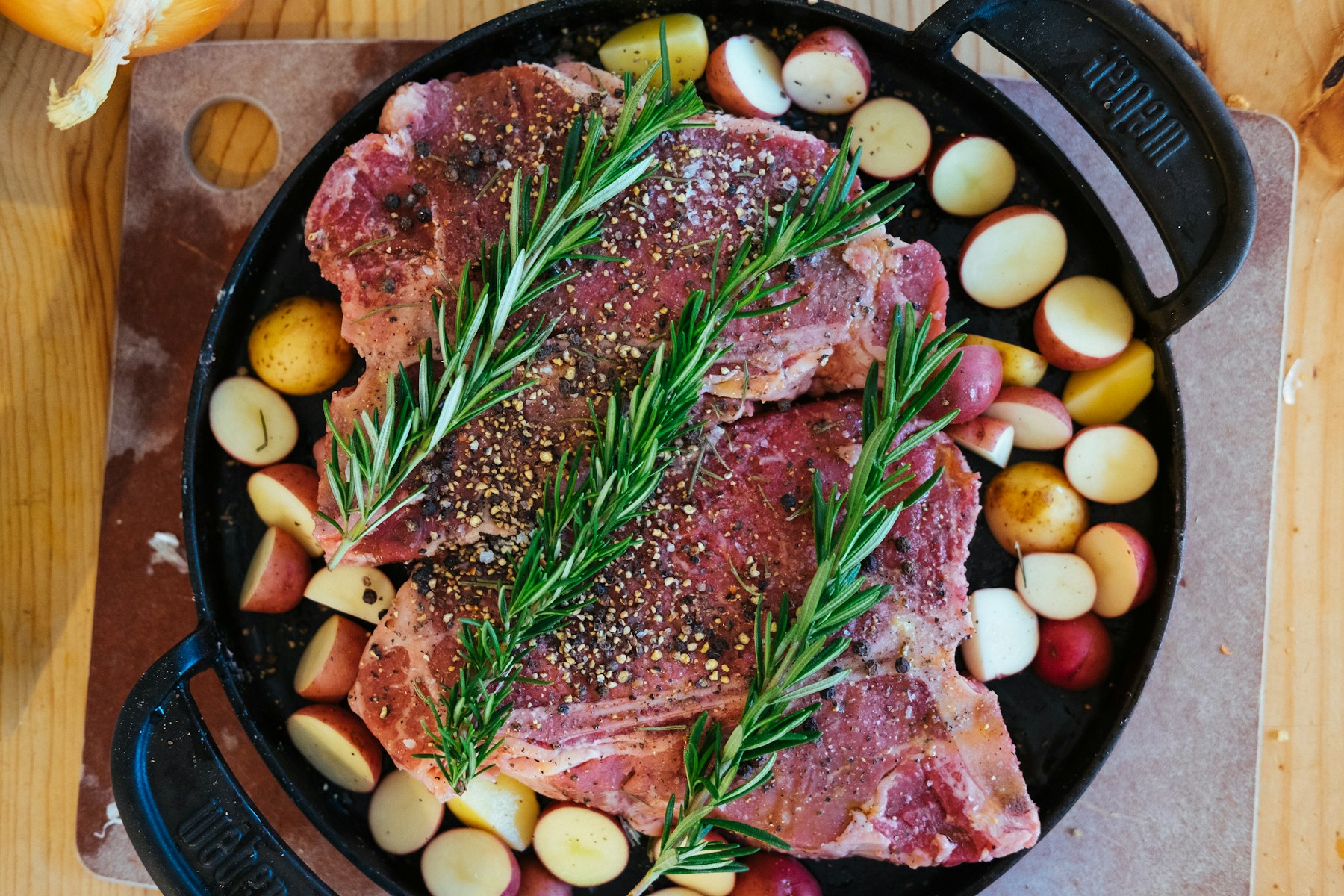
Salt immediately before cooking or 8 to 24 hours ahead for a dry brine. In the middle window, salt draws moisture to the surface before it has time to move back inward, which can delay browning. A thick tomahawk benefits from the longer window; a thin bavette needs less time.
Pepper and High Heat
Coarsely cracked pepper can taste pleasantly toasted, but very fierce searing may make fine pepper bitter. Add it before moderate grilling or after the hardest pan sear according to preference.
Build a Rub for the Method
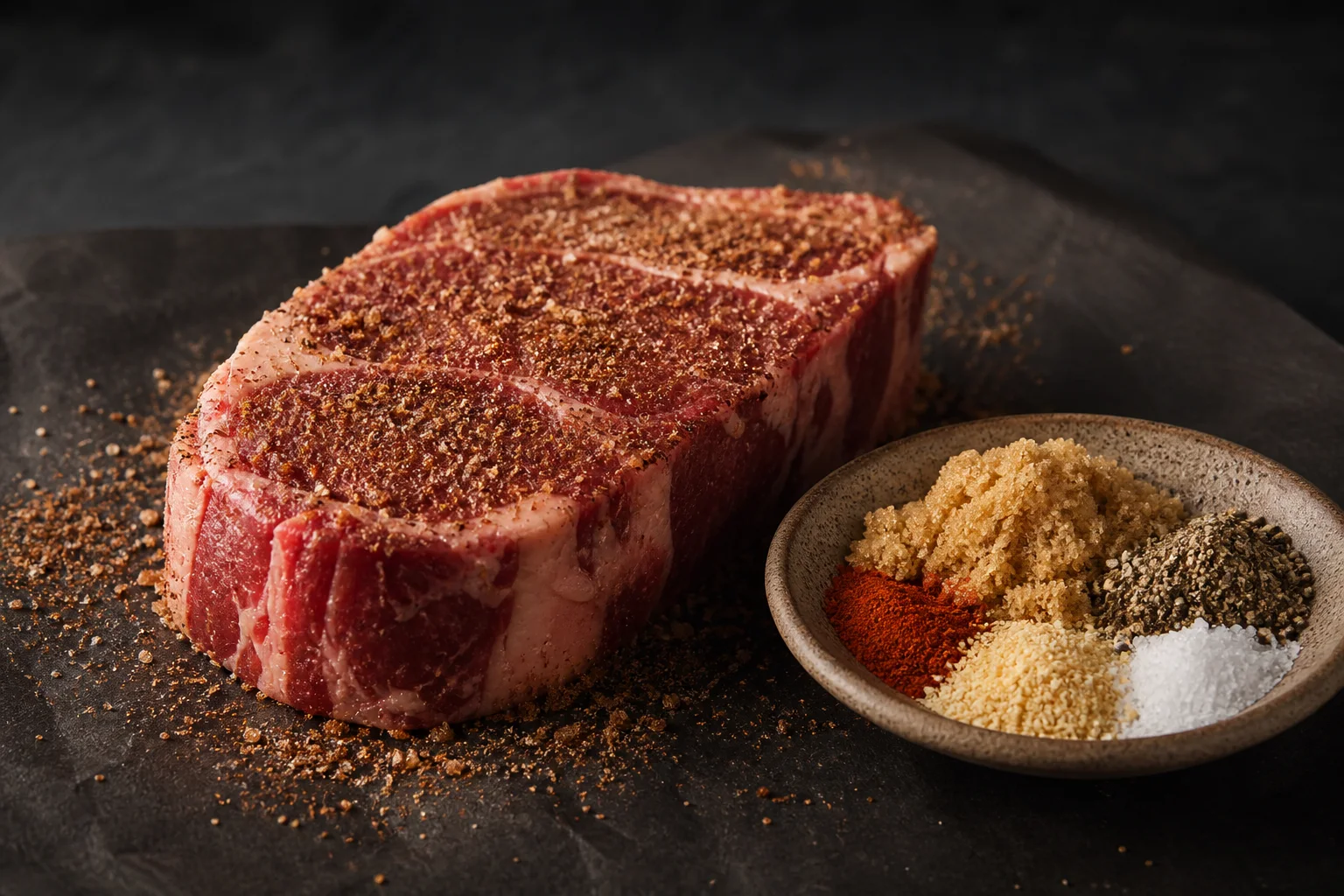
| Ingredient | Role | Heat concern |
|---|---|---|
| Kosher salt | Seasoning and dry brine | Low |
| Black pepper | Pungency and toast | Can turn bitter |
| Garlic powder | Savory aroma | Can scorch on direct flame |
| Paprika/chile | Color and earthiness | Burns under prolonged hard sear |
| Sugar | Sweetness and browning | Scorches quickly |
A smoked steak can accept more dry spice during its low stage, while a cast-iron steak needs a cleaner surface. Add fresh garlic and herbs through garlic butter after the fierce heat.
Match Seasoning to the Cut
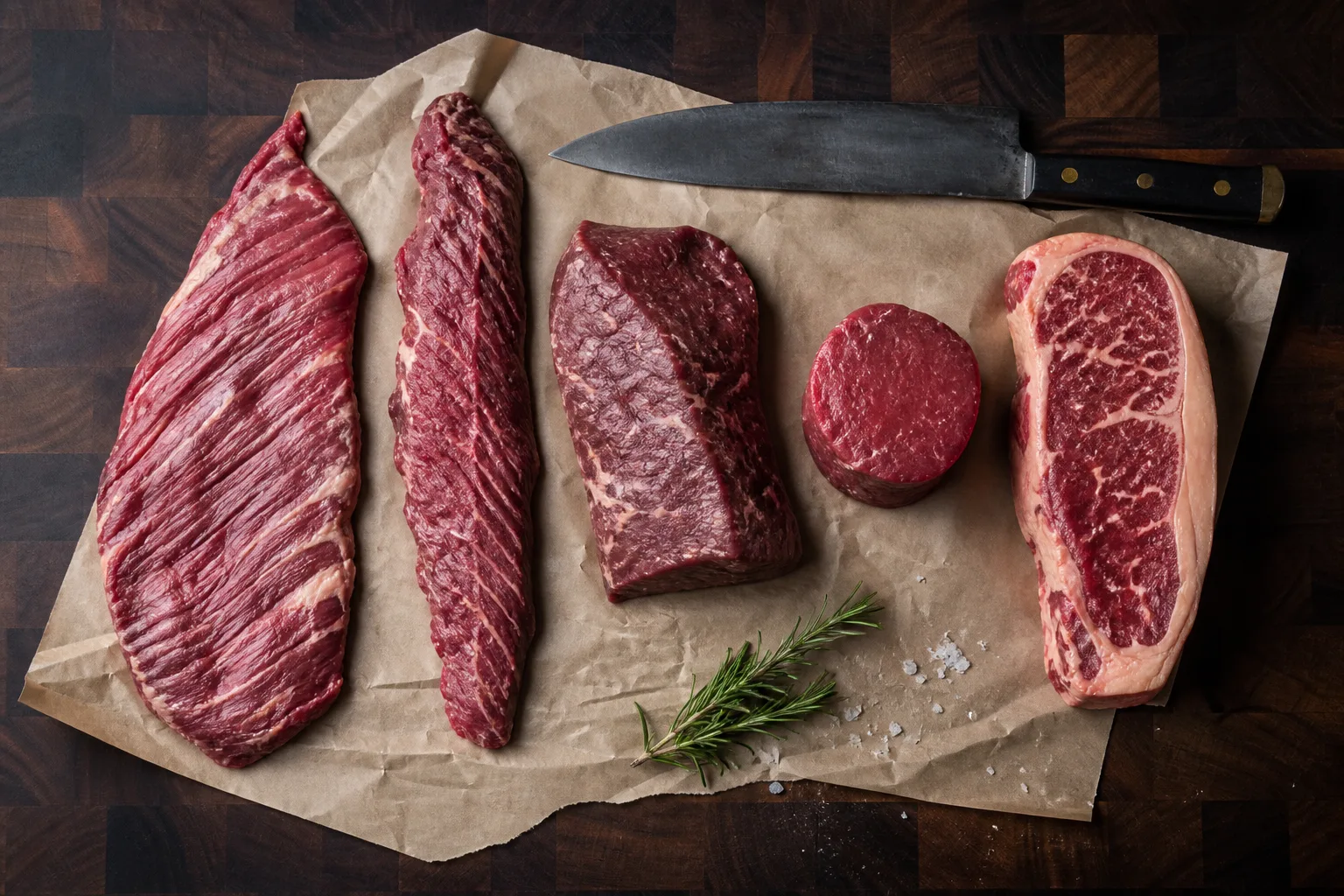
Rich ribeye needs less added fat and tolerates sharp pepper. Lean sirloin accepts spice and a finishing sauce. Wagyu asks for restraint. Picanha is excellent with salt alone because the rendered cap supplies its own flavor.
Season Evenly Across Shape and Thickness
An even coating matters more than a dramatic crust of spice. Hold salt high enough to distribute it across the broad faces, then season the edges separately. A thick steak needs more total salt because it contains more unseasoned interior, but its surface should not look buried. Weighing salt is the most repeatable approach once you know your preferred percentage and crystal brand.
Bone, fat and lean do not need identical treatment. Salt adheres poorly to a polished bone and offers no benefit there. A fat cap needs enough salt to season each served edge, while lean surfaces need dryness for browning. On a deeply scored fat cap, season lightly inside the cuts without packing them with powder.
Finishing salt has a different job from dry-brine salt. Add a few crisp flakes after slicing where they can deliver texture and immediate salinity. Taste the first slice before adding more, especially if the steak will be served with a salted compound butter or soy-based sauce.
Plan Steak Seasoning Before the Heat Starts
Seasoning should support crust and beef flavor while giving you control over salt, aromatics and ingredients that scorch. A reliable result begins by separating decisions that are often bundled together: the cut and thickness, the surface condition, the heat source, the target center and the finish. When those variables are named before cooking, the clock becomes a reference instead of the only control.
Separate salt from a finishing spice blend when ingredients have different heat tolerances, and note whether a commercial mix already contains salt. Set out the thermometer, tongs, resting surface and finishing ingredients before the steak reaches the pan, grill, smoker or air fryer. That short mise en place prevents the common scramble in which butter burns, a sauce reduces too far or the steak passes its intended pull point while a tool is being found.
- Measure thickness at the thickest useful point. Weight alone does not predict the distance heat must travel to the center.
- Dry the entire exterior. Check edges, fat seams and bone recesses; hidden moisture can create a pale patch.
- Choose the probe path. Insert from the side into the coolest central area, avoiding bone and large fat pockets.
- Prepare a gentler zone. A cooler burner, indirect grill zone or lower oven gives you a place to finish without burning the crust.
- Name the resting surface. A rack preserves crust better than a deep plate that traps steam beneath the steak.
Compare the full workflow with our cast-iron steak guide. If the cut itself is unfamiliar, start with the steak cuts directory so muscle, grain and trimming guide the technique.
Control Browning and Center Temperature Separately
Coarse black pepper, garlic powder, chile and sugar do not brown at the same rate as beef; apply fragile or sweet ingredients late when cooking over fierce heat. Crust and center temperature are related, but they are not the same measurement. Surface browning responds to dryness, direct energy and contact; the center responds mostly to thickness, temperature gradient and time. If the exterior is ready first, reduce the heat. If the center is ready first, the next attempt needs a drier surface or a stronger, shorter sear.
| Signal | What it usually means | Response |
|---|---|---|
| Weak sizzle | Surface or cooking surface is too cool | Pause, avoid crowding and restore heat |
| Black spices before crust | Fine seasonings are scorching | Use simpler early seasoning and finish later |
| Uneven reading | Probe is near fat, bone or a hot edge | Check from a second direction |
| Gray band expanding | Too much time over aggressive heat | Move to gentler heat sooner |
| Juice pooling during rest | Deep plate or premature slicing | Use a rack and complete the rest |
Take two readings when geometry is irregular. Thick bone-in steaks may have different thermal zones, while thin steaks can change several degrees during the time needed to reposition a probe. The goal is not to perforate the meat repeatedly; it is to confirm that one surprising number is real before acting on it.
Finish, Rest and Evaluate the Result
Taste after resting before adding flaky salt, and apply finishing herbs where their aroma remains fresh. Add butter, sugar-bearing sauces, fresh garlic and delicate herbs late enough that they flavor the steak without burning. Resting then allows the steepest temperature gradient to ease. Large steaks carry over more than thin steaks, so record the actual change rather than assuming a universal number.
A harsh black coating can be burned seasoning rather than good Maillard browning, and an unexpectedly salty steak often comes from layering a brine, salted butter and a packaged blend. If the result misses, change one major variable on the next cook. A lower pull temperature cannot fix a wet surface; a longer rest cannot repair slicing with the grain; more smoke cannot compensate for dirty combustion. A narrow adjustment produces evidence you can use.
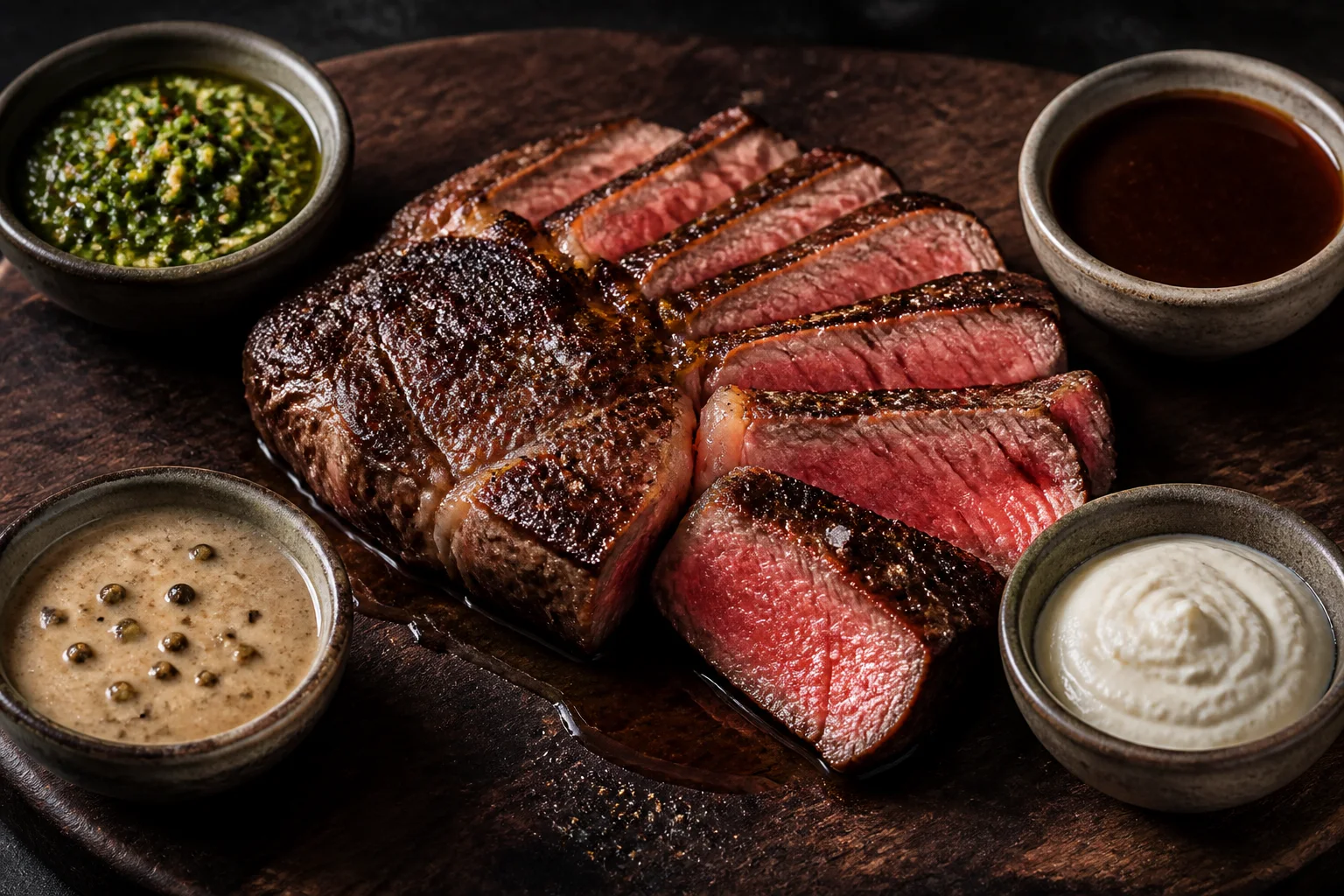
Complete the plate only after tasting a center slice. Reduced sauces, compound butter and salty seasonings can make an already well-seasoned steak harsh. Acid, fresh herbs and crisp vegetables often improve balance without covering the beef.
Continue Through This Steak Topic
Build the full picture: Steak Rub, Brown Sugar Steak Rub, Ribeye Steak Seasoning, Steak Sauce, and Bourbon Steak Sauce cover the closely related cuts, methods, buying decisions and recipes that support this guide.
When you need to compare across families or techniques, continue with Steak Marinade, Garlic Butter Steak Recipe, and Grilled Steak. These pages answer adjacent questions without forcing every detail into one overgrown article.
Frequently Asked Questions
How much salt should I use?
Aim for even light coverage and learn the crystal size of your salt. Volume measurements do not translate cleanly between brands.
Should steak seasoning contain sugar?
Only for lower-temperature cooking or a very brief finish. Sugar burns quickly over fierce direct heat.
Is dry brining the same as drying aging?
No. Dry brining is salting ahead, usually for hours. Dry aging is a controlled multi-week process applied to larger beef sections.