Tomahawk
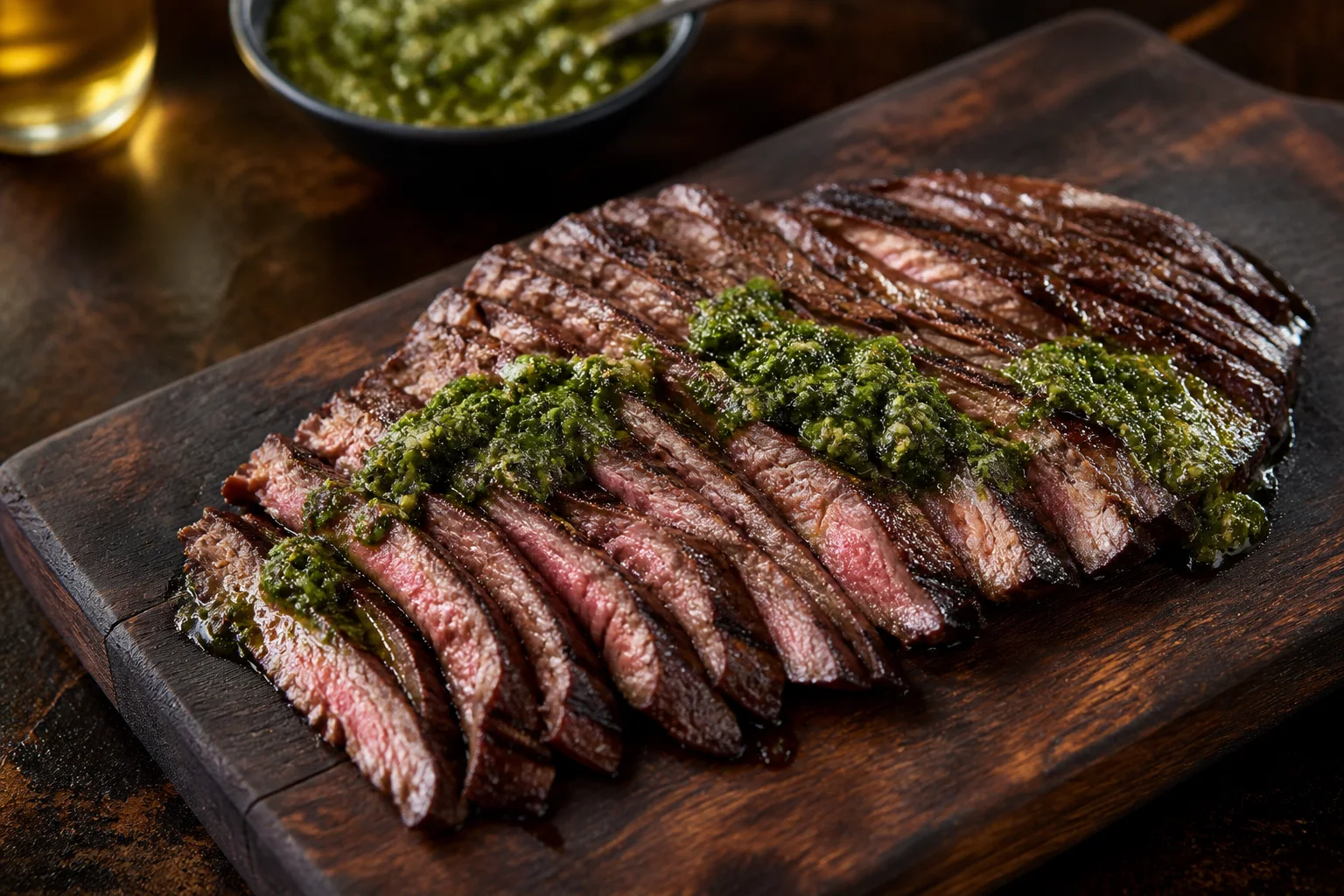
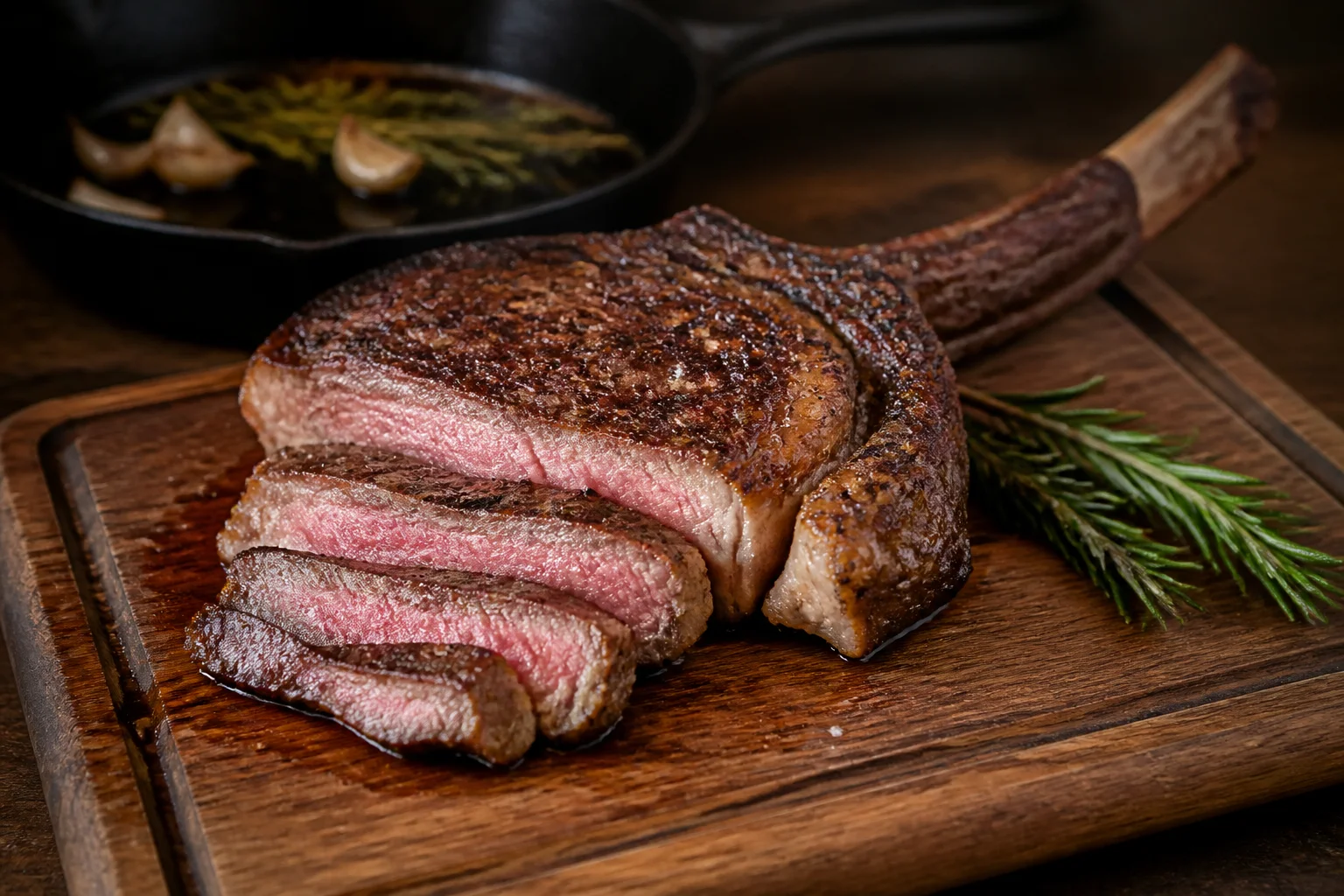
Tomahawk Steak
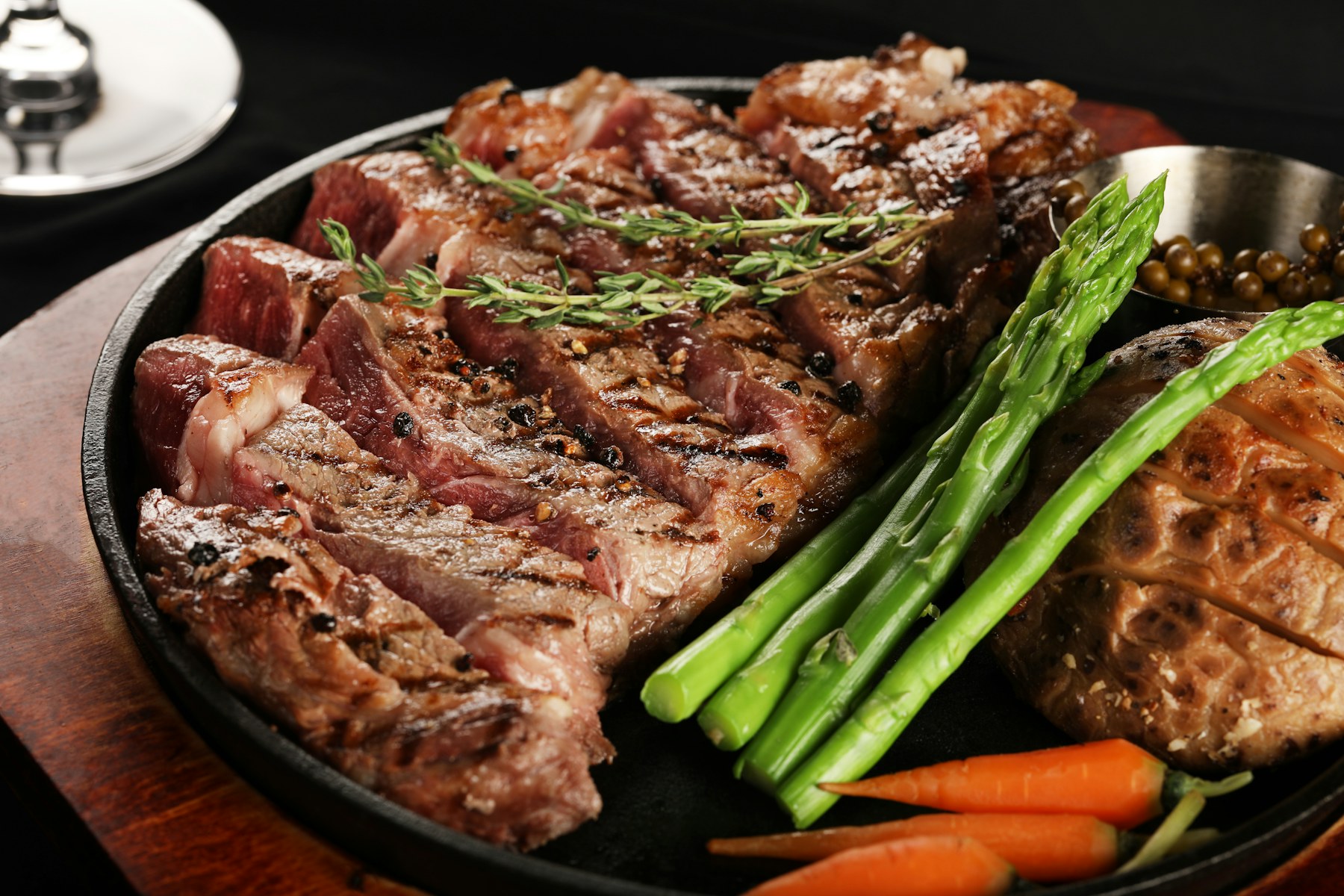
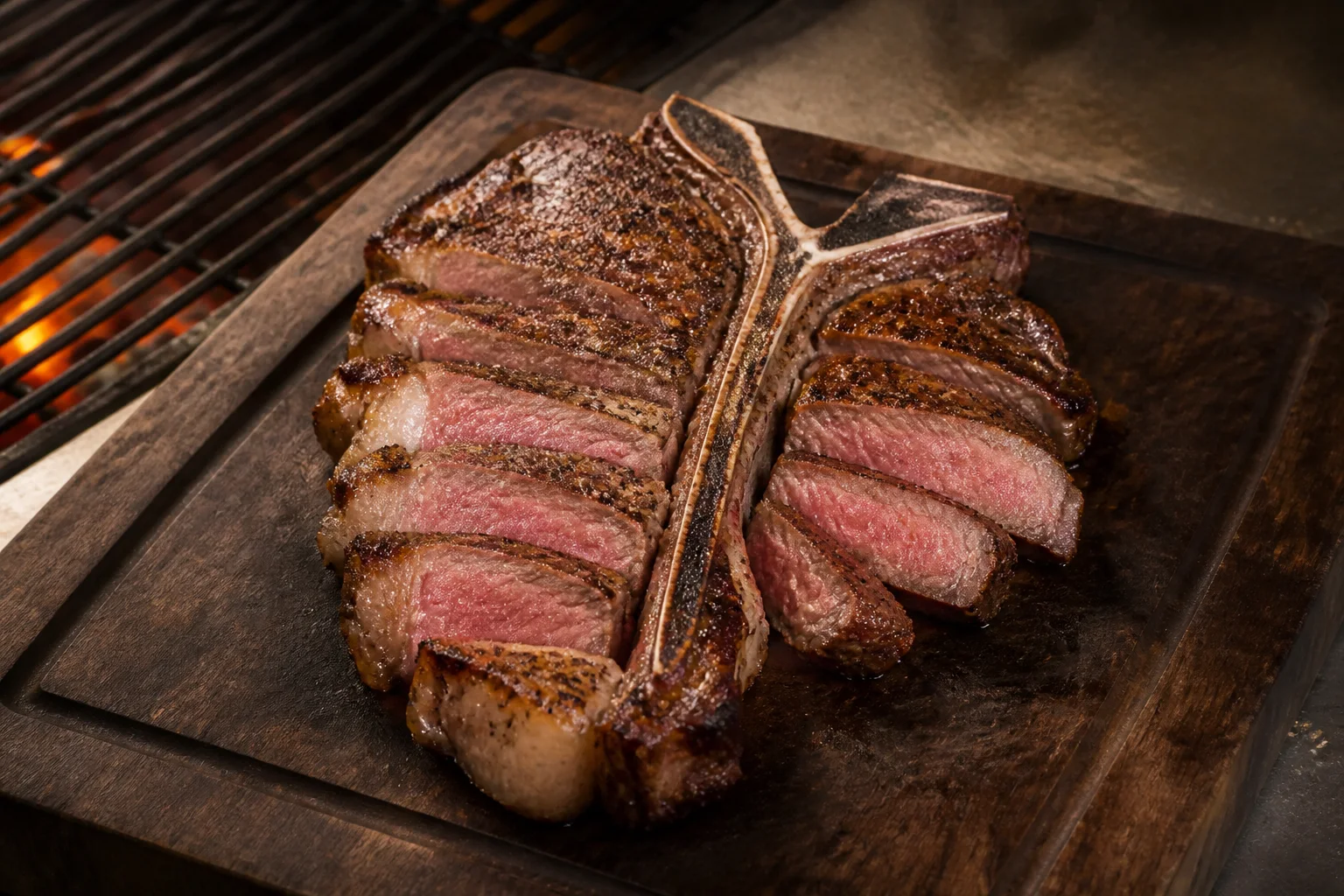
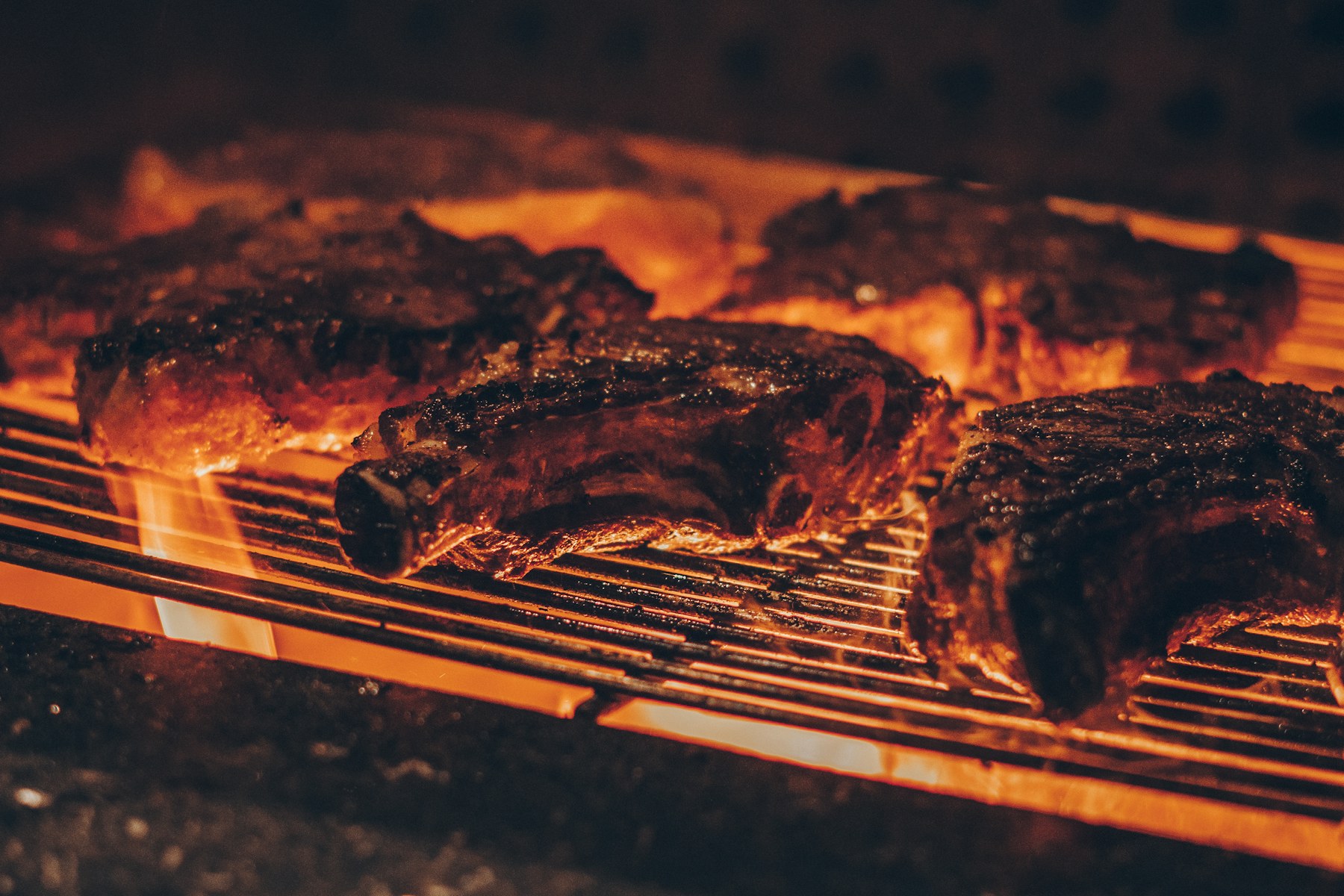
Learn why a tomahawk ribeye is a long-bone ribeye, how it differs from cowboy and standard ribeye, and how to buy, cook, rest and carve it.
Read guide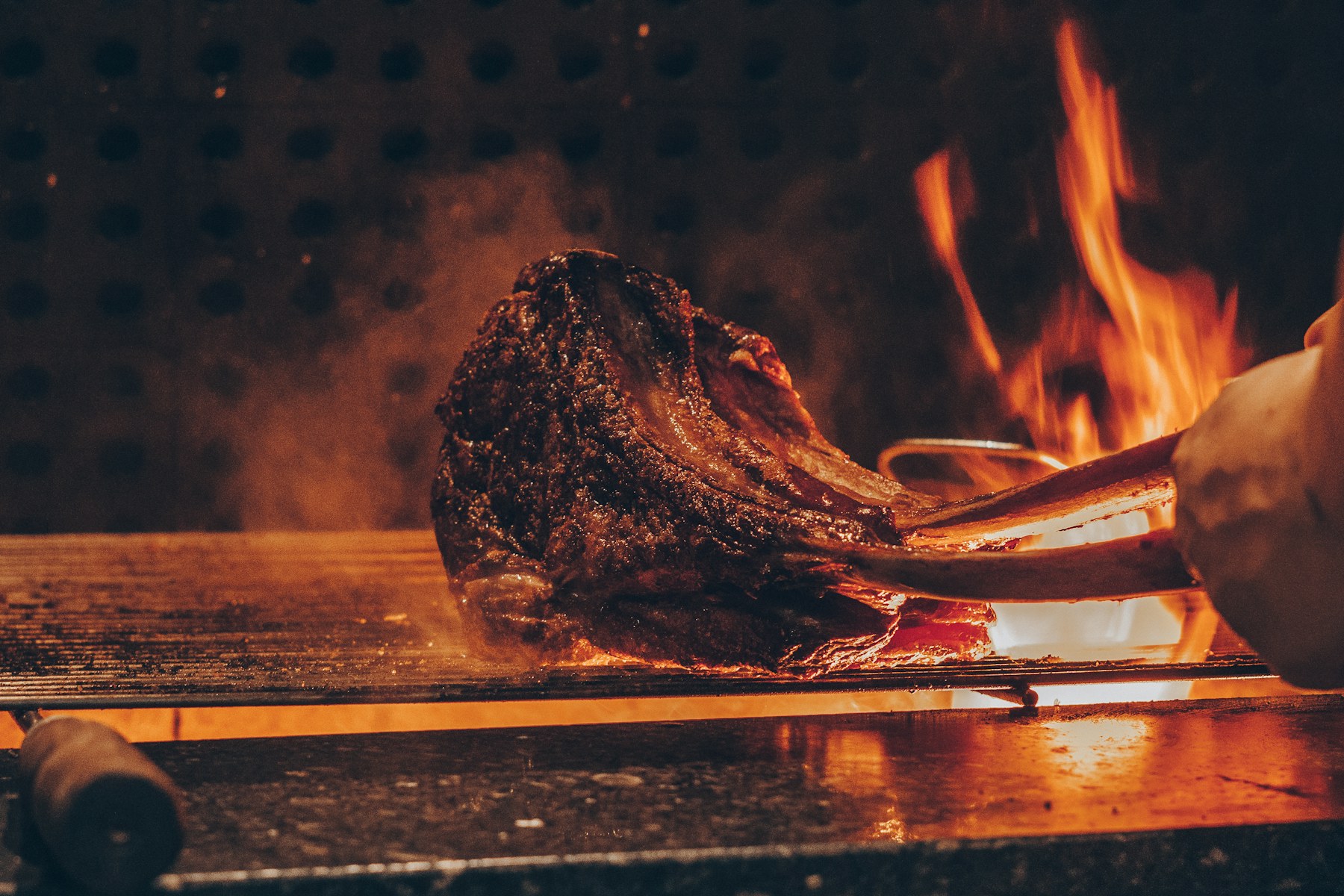
Learn the cuts, choose the right heat, follow the temperature and cook with more confidence—from tomahawk and ribeye to the steaks worth discovering next.
Four clear entry points into the anatomy, technique and temperature that shape a good steak.
Learn why a tomahawk ribeye is a long-bone ribeye, how it differs from cowboy and standard ribeye, and how to buy, cook, rest and carve it.
Read guide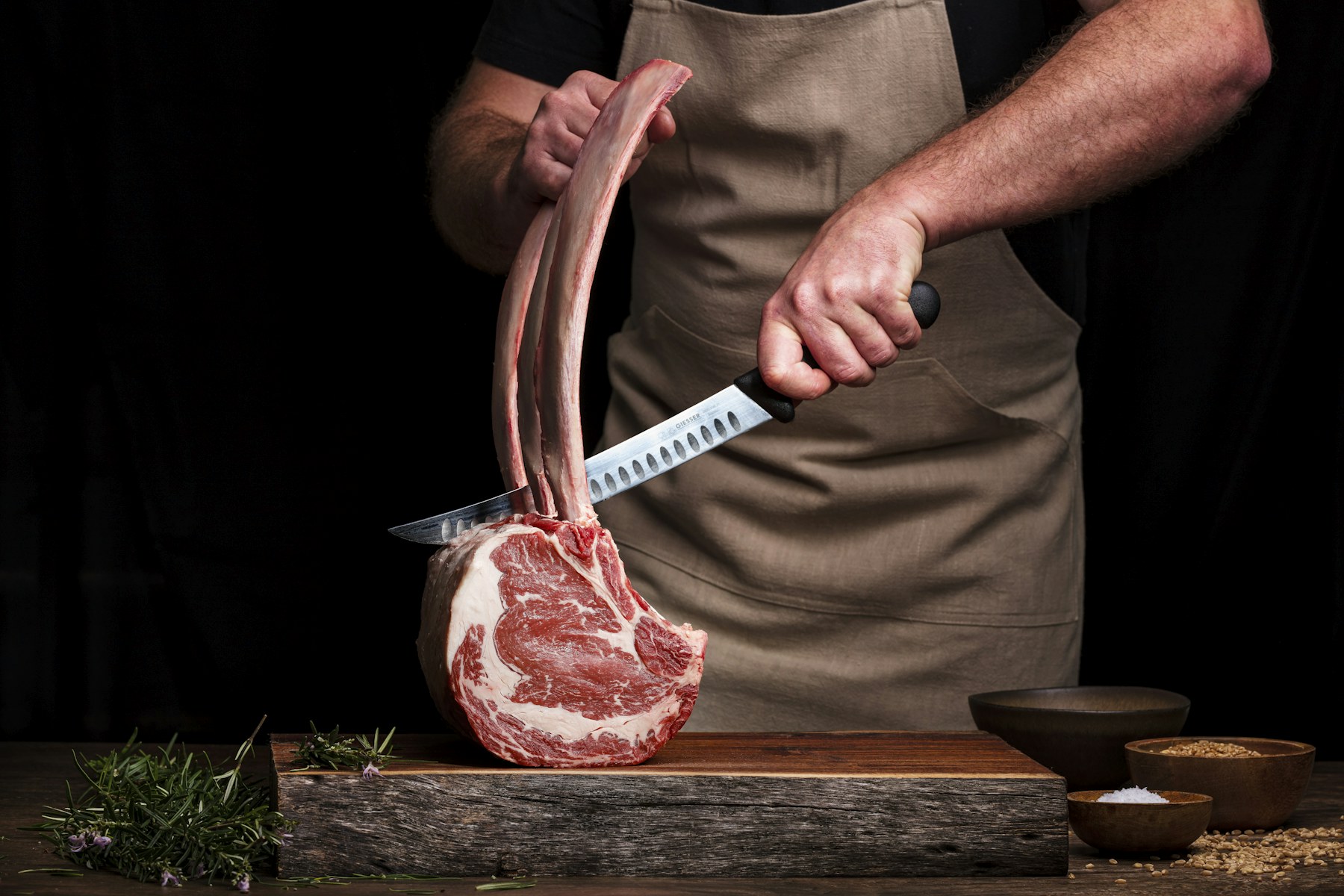
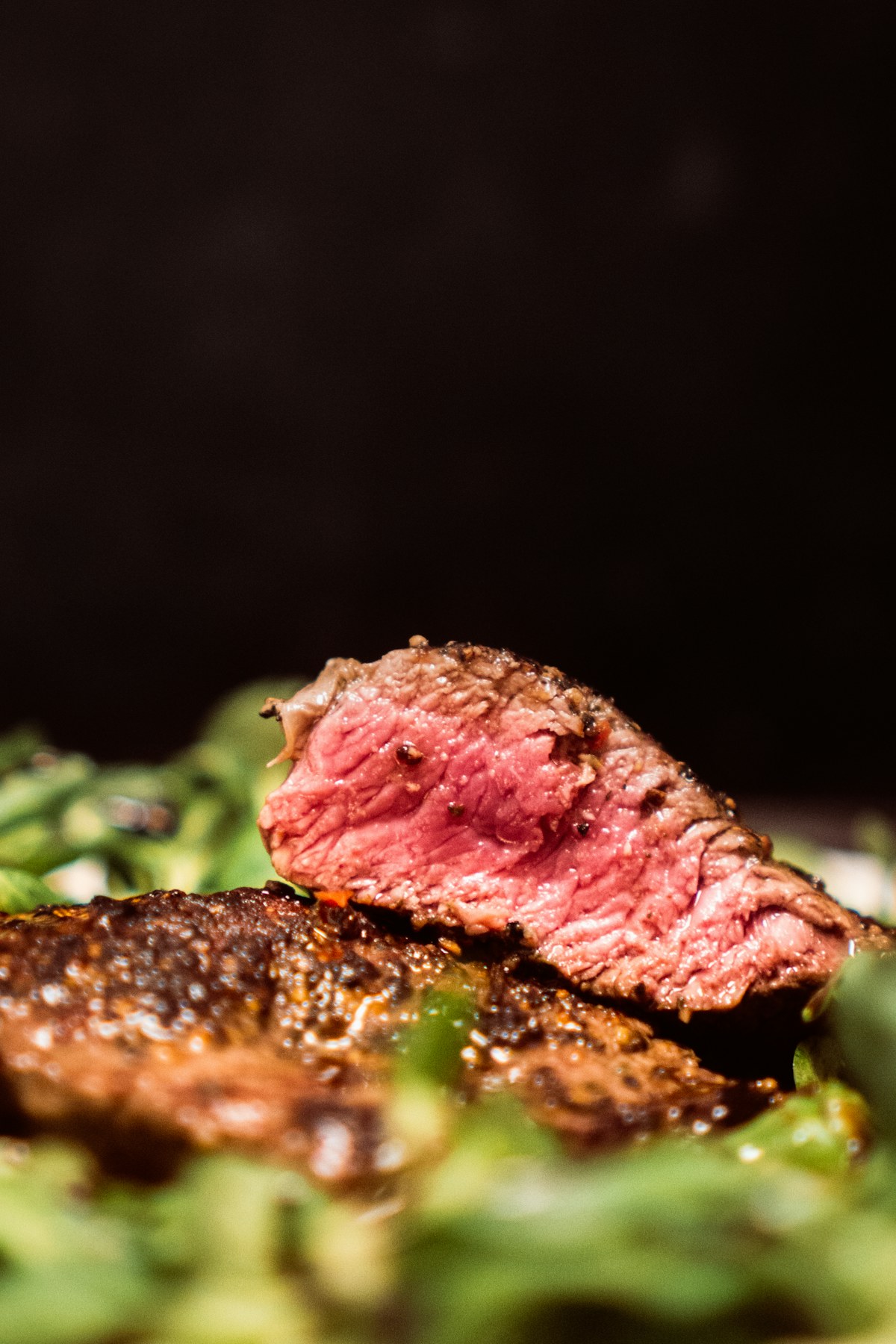
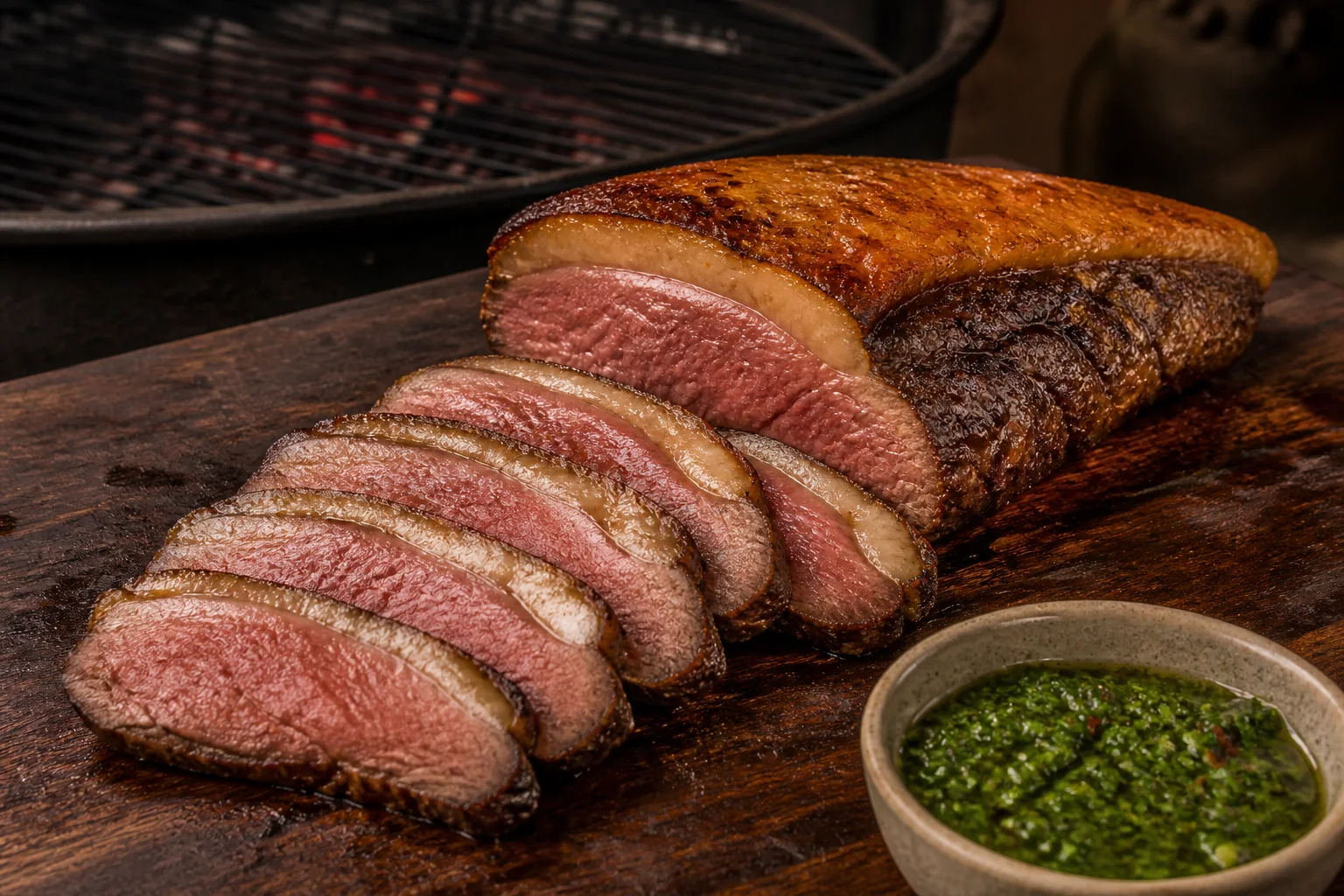
A clear-eyed guide to the long-bone ribeye: its anatomy, value, marbling, ideal thickness, cooking methods and the details that matter more than spectacle.
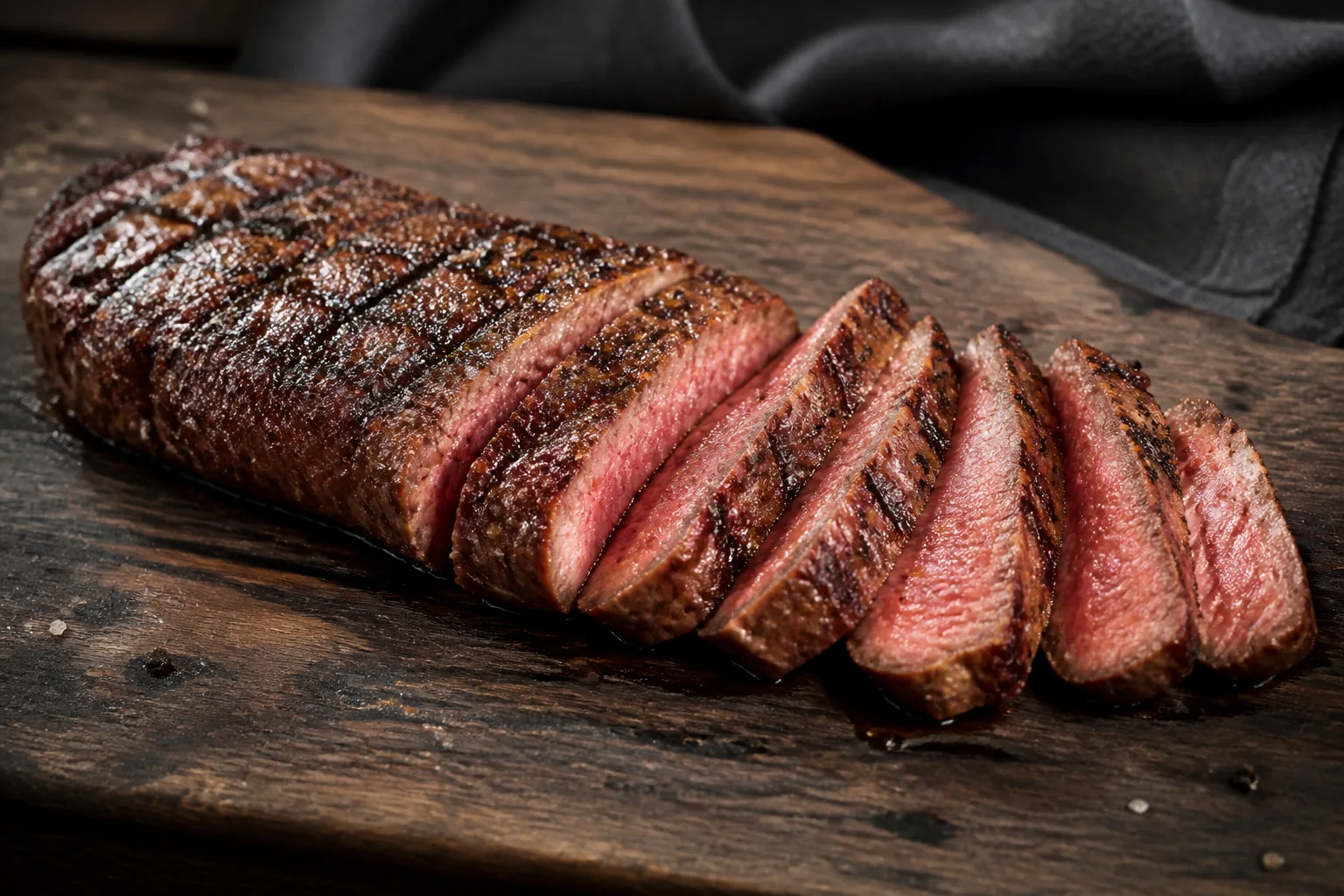
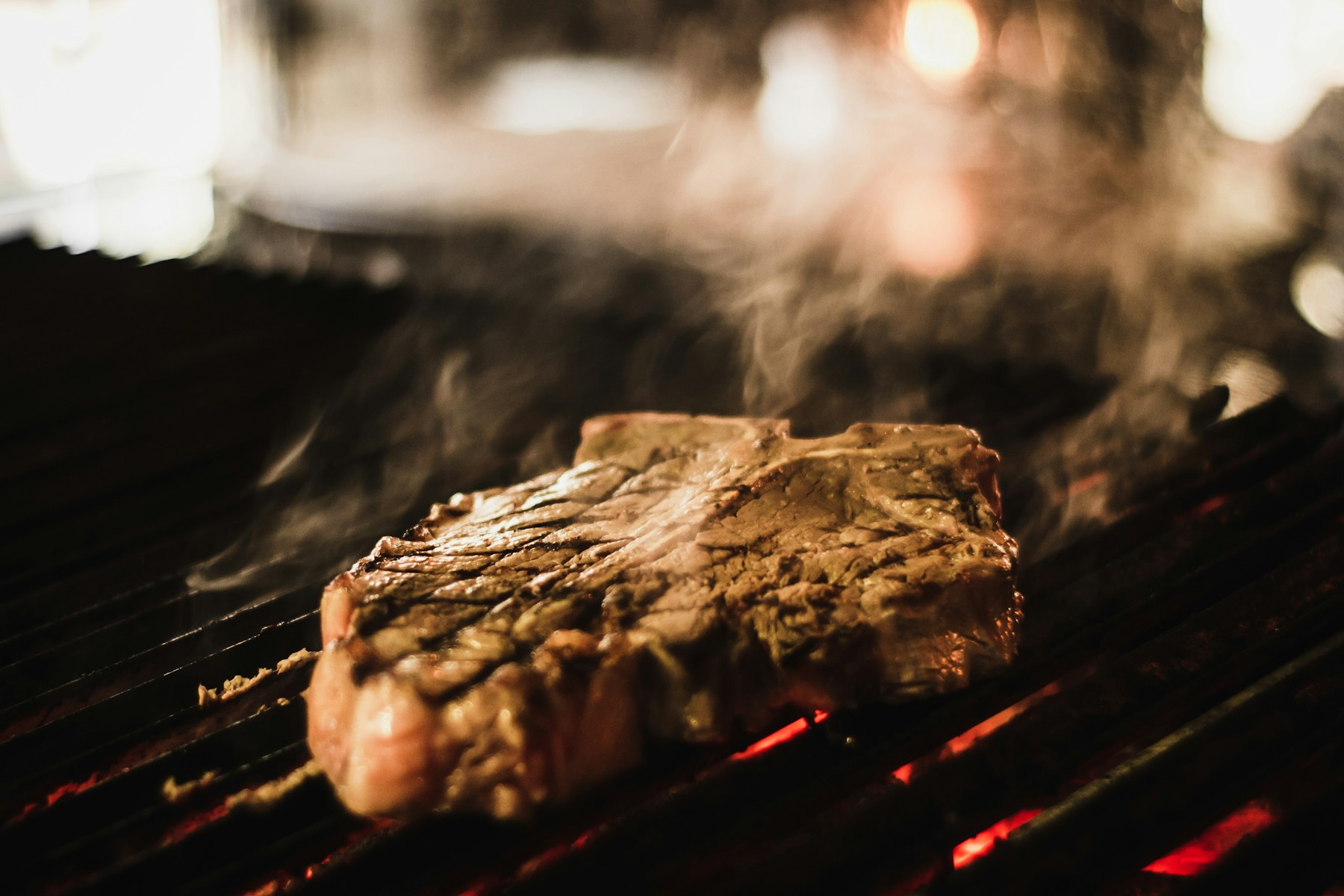
Understand porterhouse anatomy, the difference from T-bone, how to buy a balanced cut and how to cook two different muscles together.
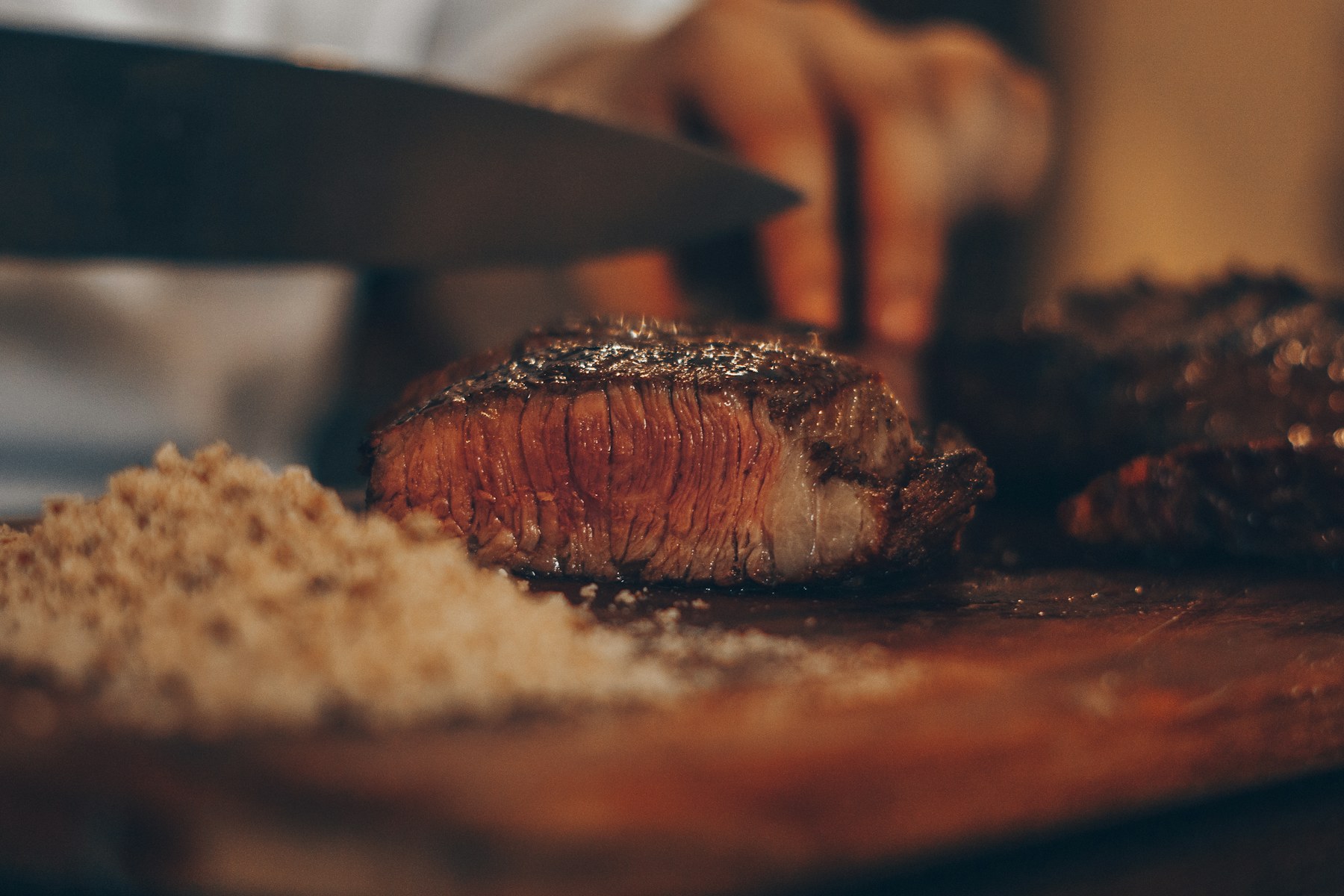
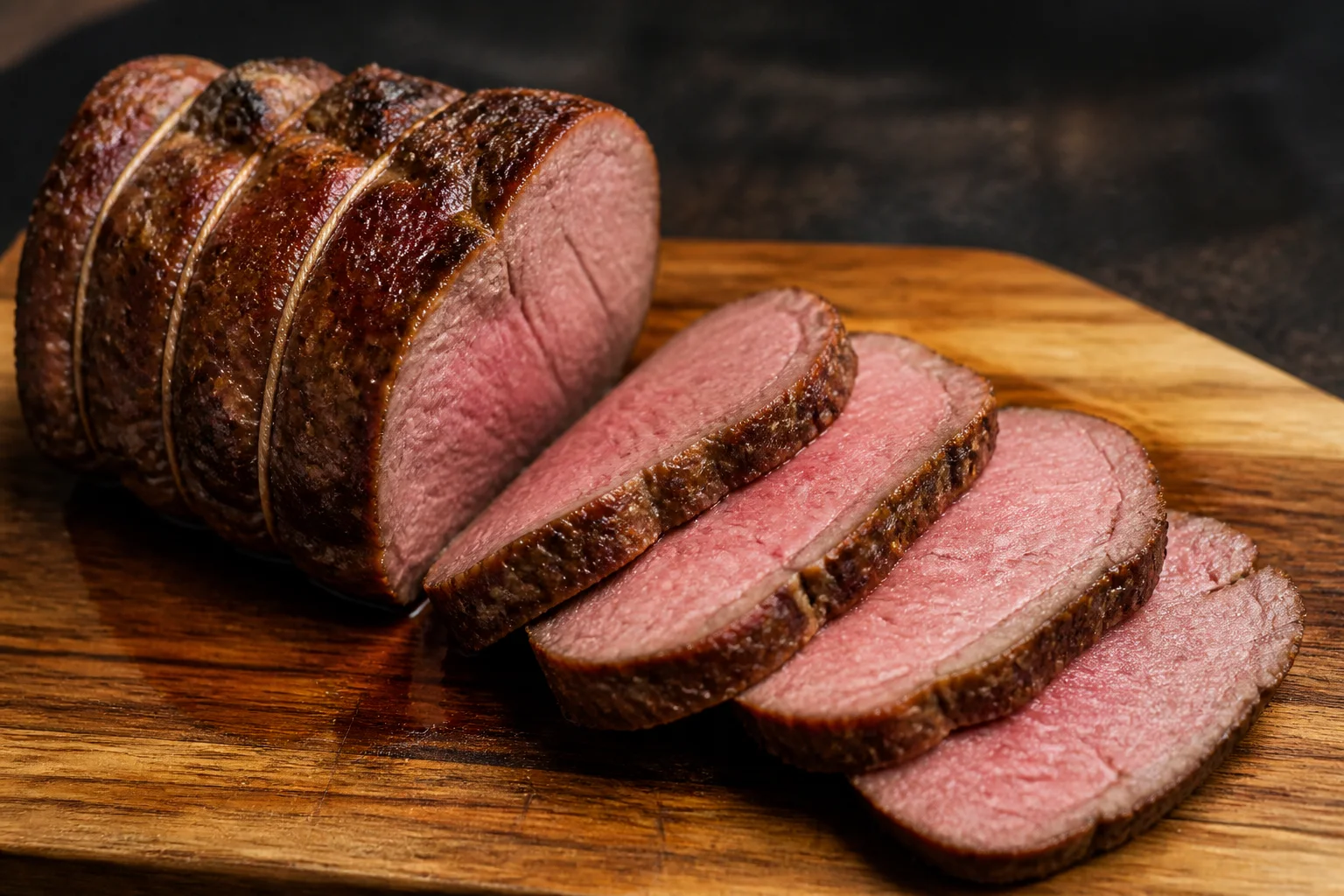
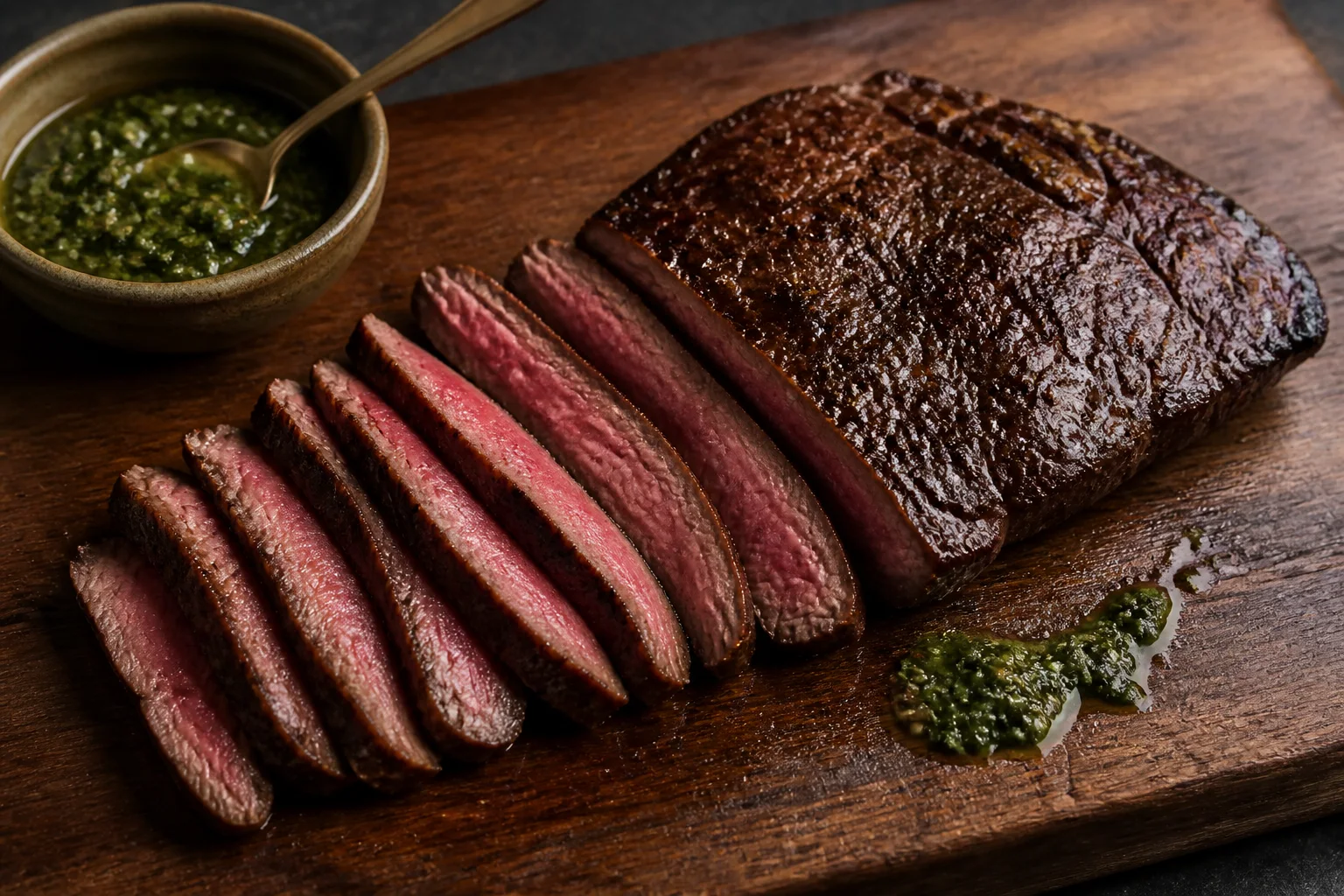
Read guideIdentify bavette steak and sirloin flap, compare it with flank and skirt, then choose, cook and slice its irregular open grain correctly.
Read guideMethod follows thickness. Pick a path, then let the thermometer decide when it ends.
Common culinary ranges shown in both units. USDA safety guidance appears below and is not the same as preference.
Cool red center · very soft
Warm red-pink · tender
Warm pink · springy
Faint pink · firm
Little pink · very firm
Safety: USDA FSIS recommends 145°F/62.8°C for whole beef steaks, followed by at least a three-minute rest. Ground beef guidance differs.
Color is a clue, not a safety test. Learn where to place the probe, how carryover works and what USDA FSIS recommends.
Open temperature guideComplete recipes with measured ingredients, honest timing and no fabricated ratings.
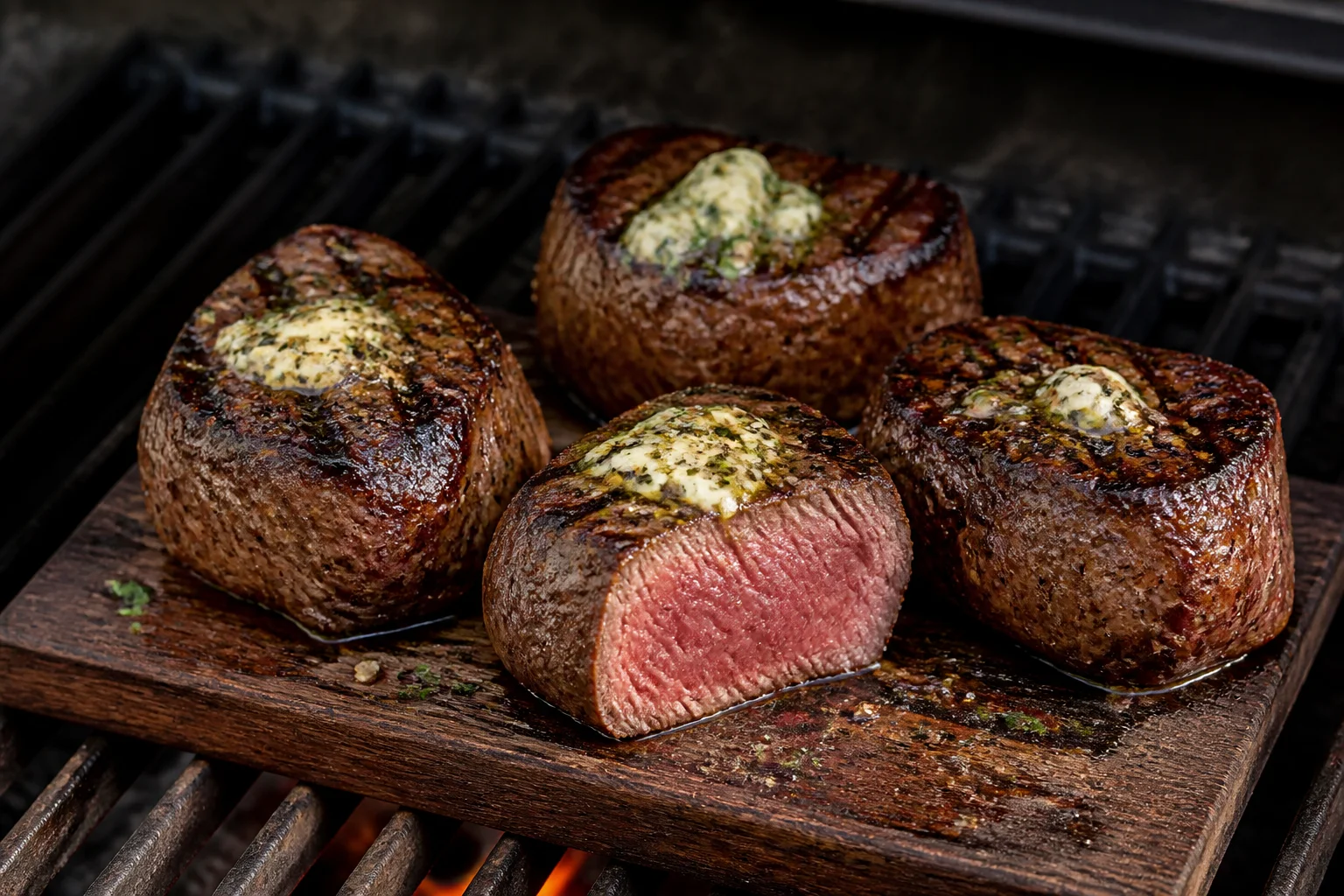
A precise reverse-seared tomahawk steak recipe with a dry brine, hard crust, garlic-herb butter and temperature-led instructions.
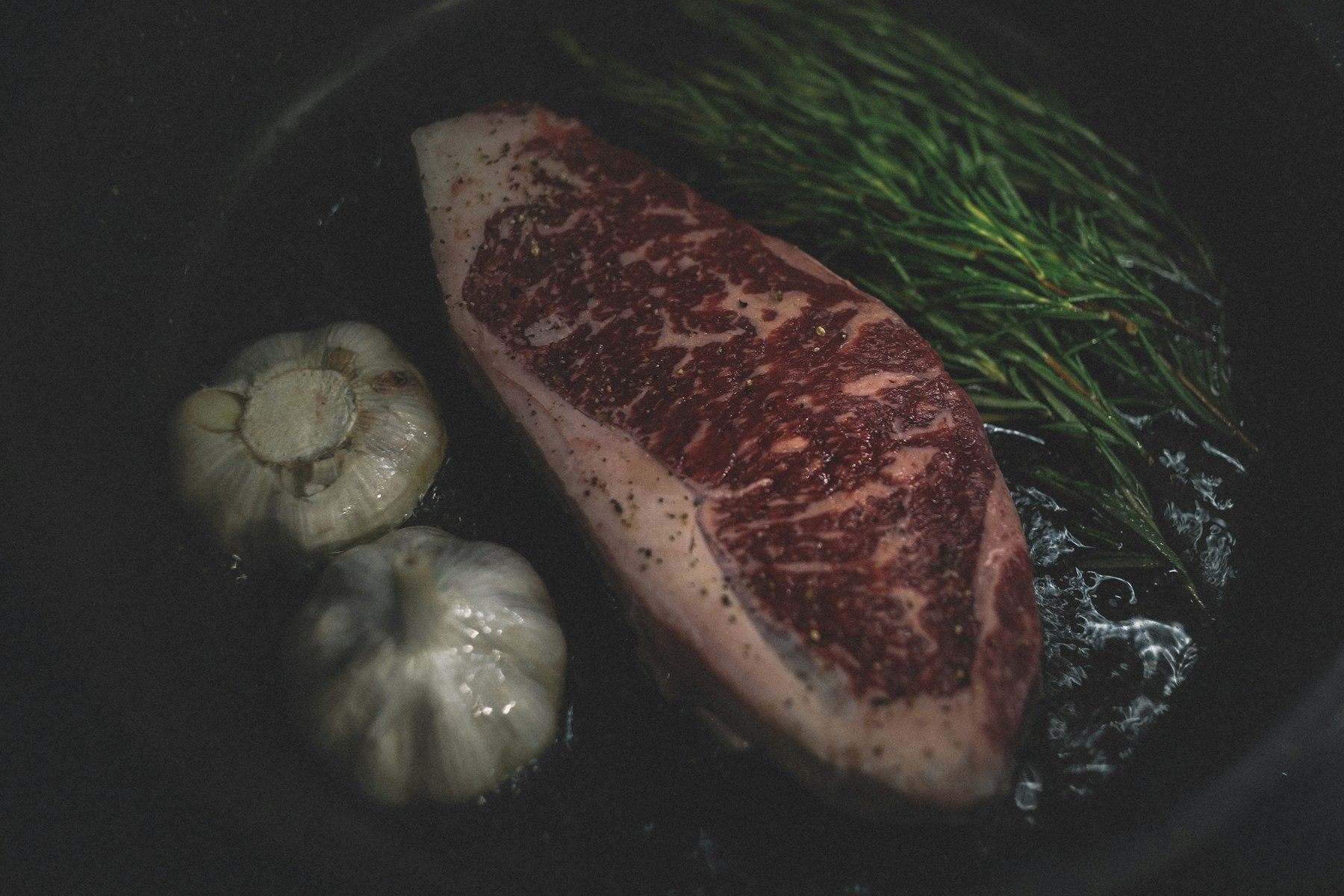
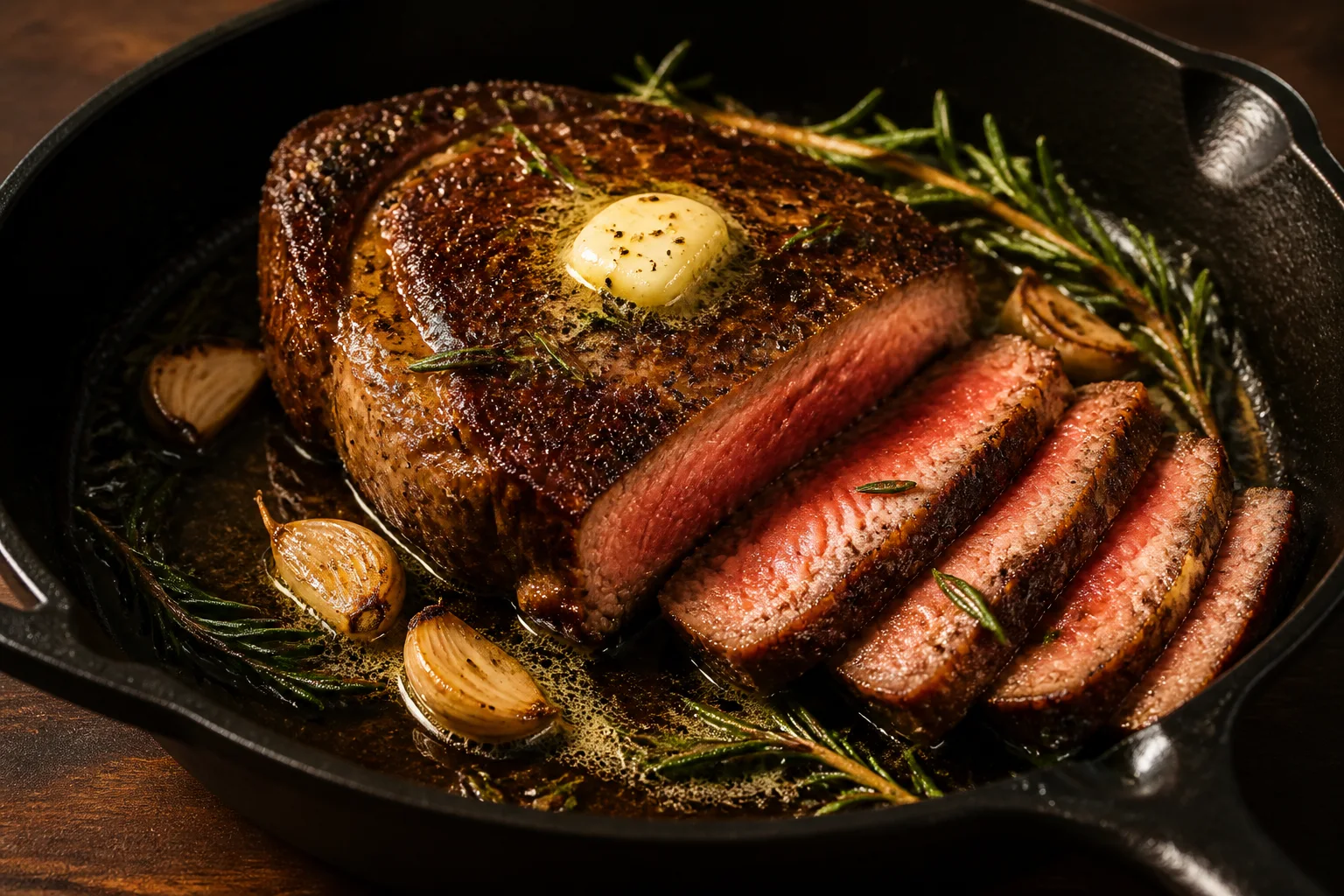
Read guideA temperature-led cast-iron ribeye recipe with dry brining, frequent turning, rosemary-garlic pan butter and serving notes.
Read guideWagyu is a category that needs a country, grading system and production context. It is not a universal grade, and it is not interchangeable with Kobe or A5.
Explore Wagyu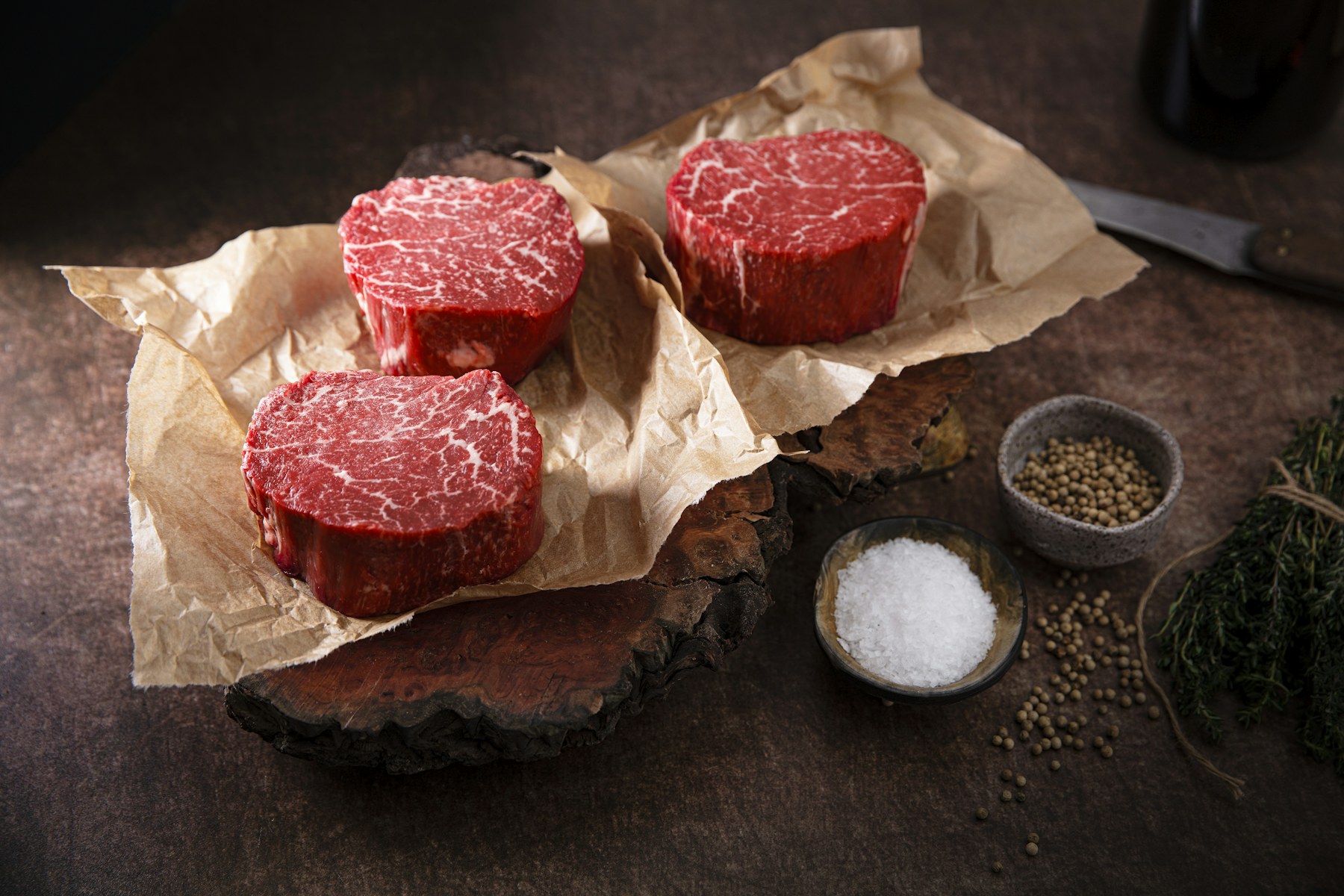
Enter cut, thickness, method and doneness. The calculator explains the heat strategy, estimates a time range and sends you back to an instant-read thermometer.
Try the cooking calculator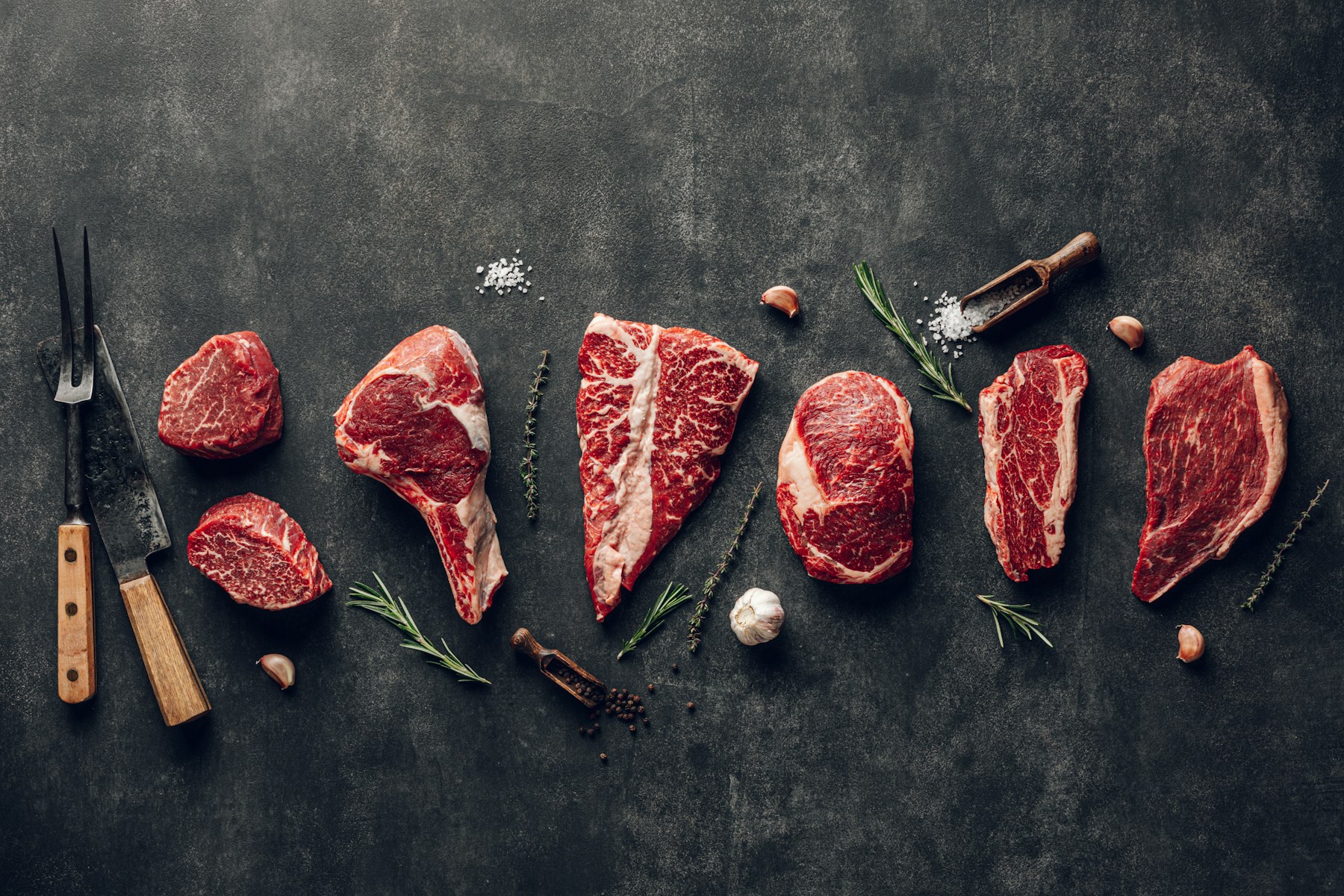
Rib and loin offer familiar tenderness. Sirloin brings beefier grain and fat caps. Chuck rewards seam butchery. Round needs lean-cut discipline. Our growing directory organizes cuts by region instead of presenting one flat card wall.
Open the visual cut directory