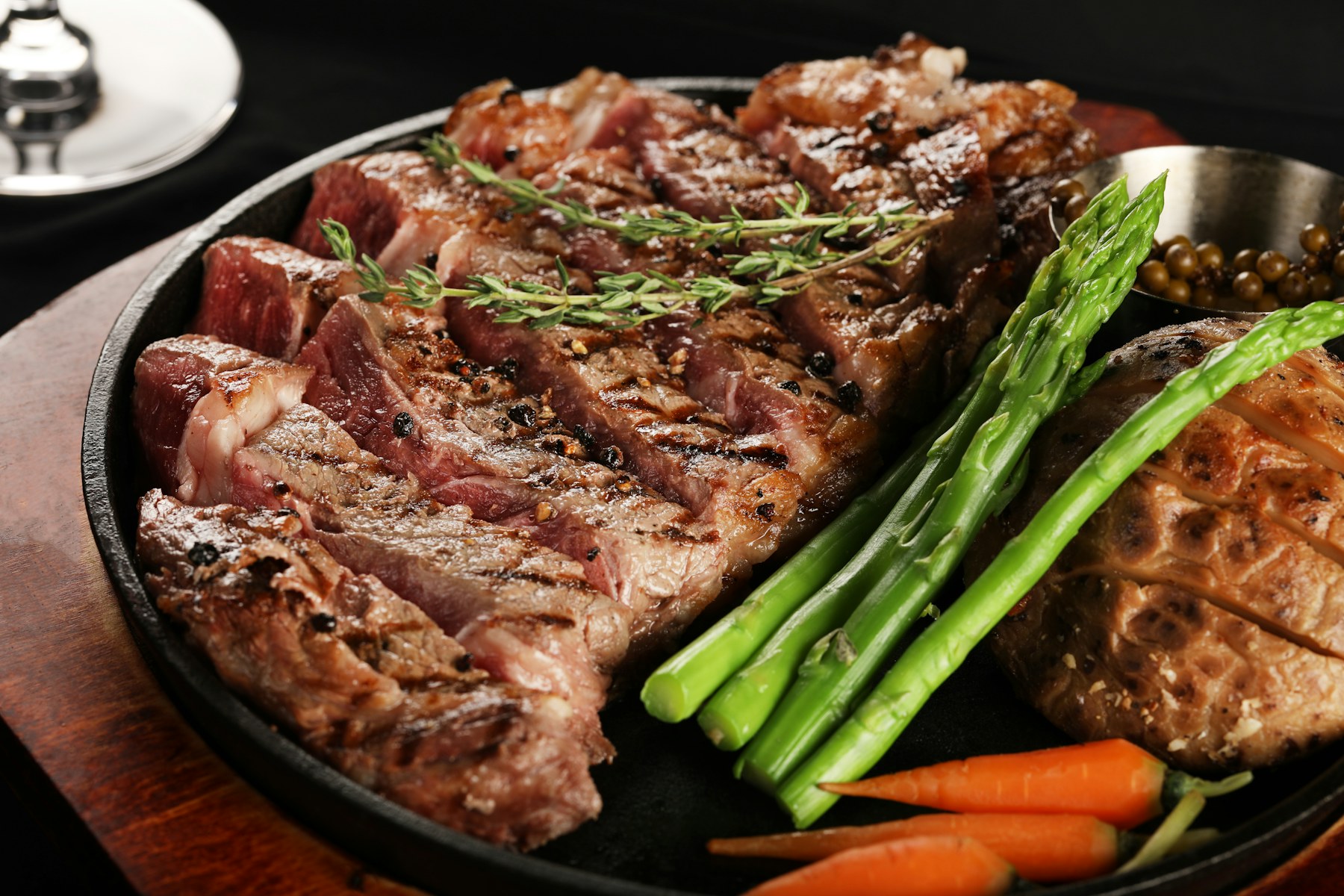
What Is Cowboy Steak?
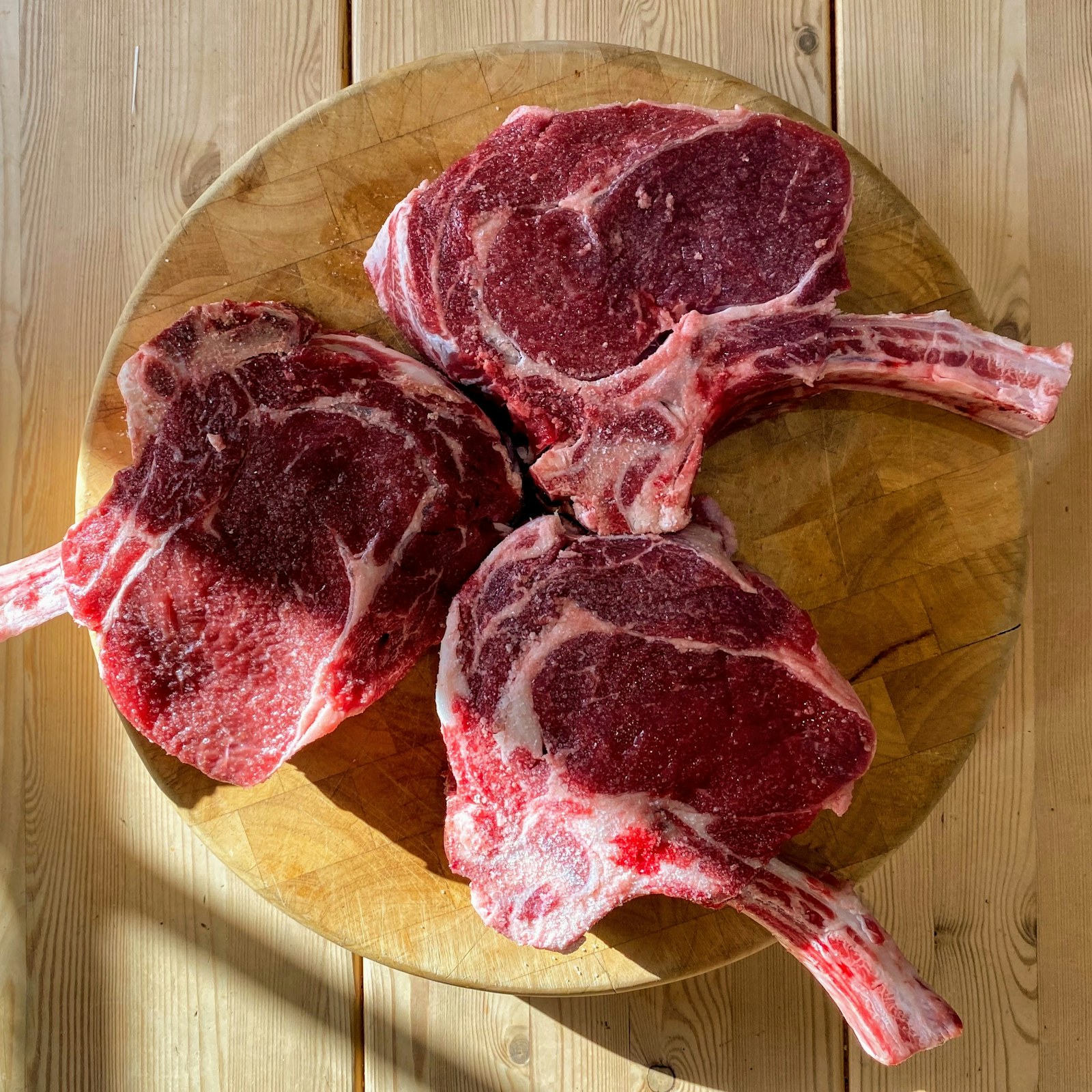
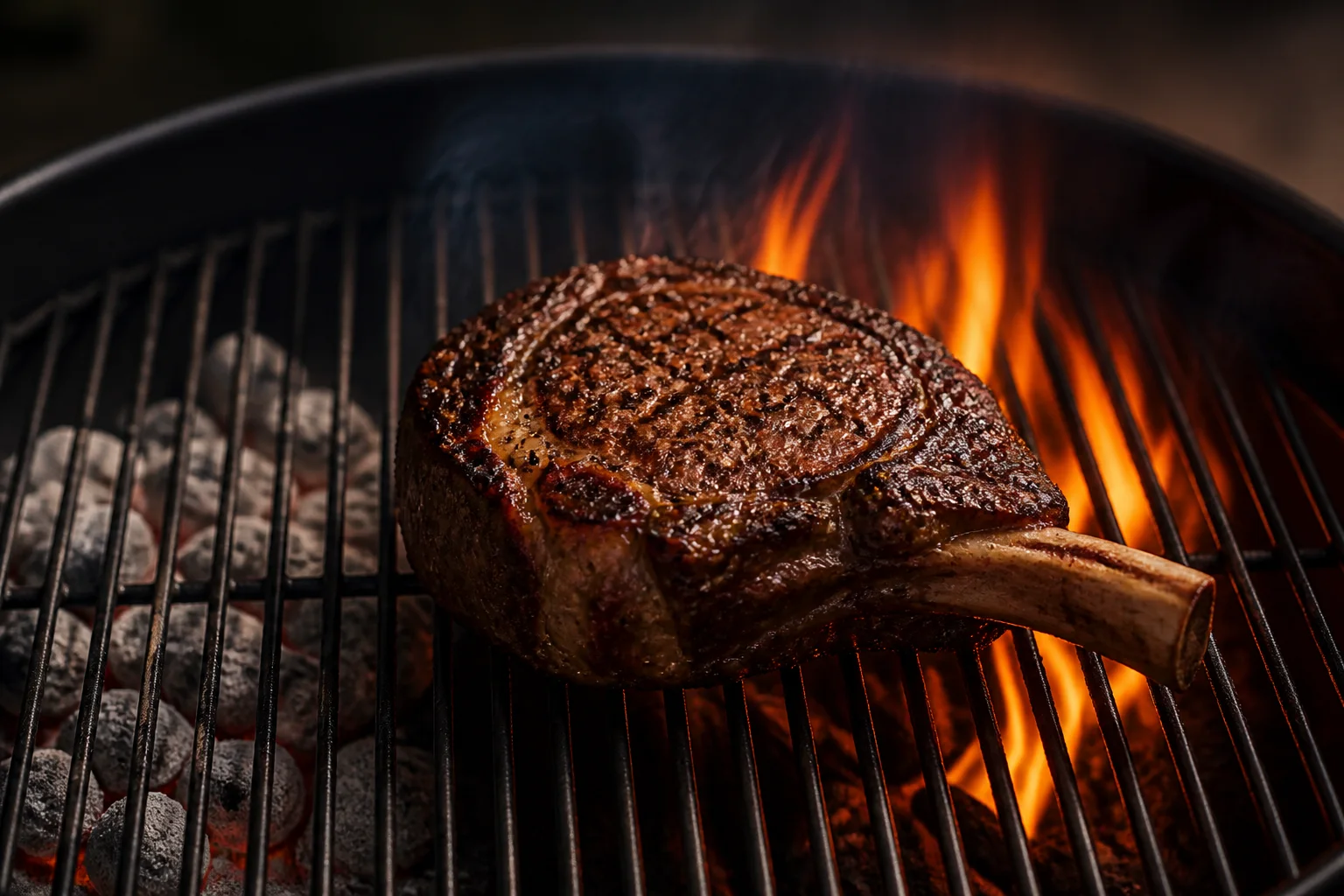
Cowboy steak is commonly a thick bone-in ribeye with a short frenched rib bone. 'Cowboy ribeye' and 'cowboy ribeye steak' describe the same search intent, so they belong on this page rather than thin duplicates.
Compared with a tomahawk steak, the handle is shorter; compared with an ordinary ribeye, the cowboy is more consistently thick and presentation-led.
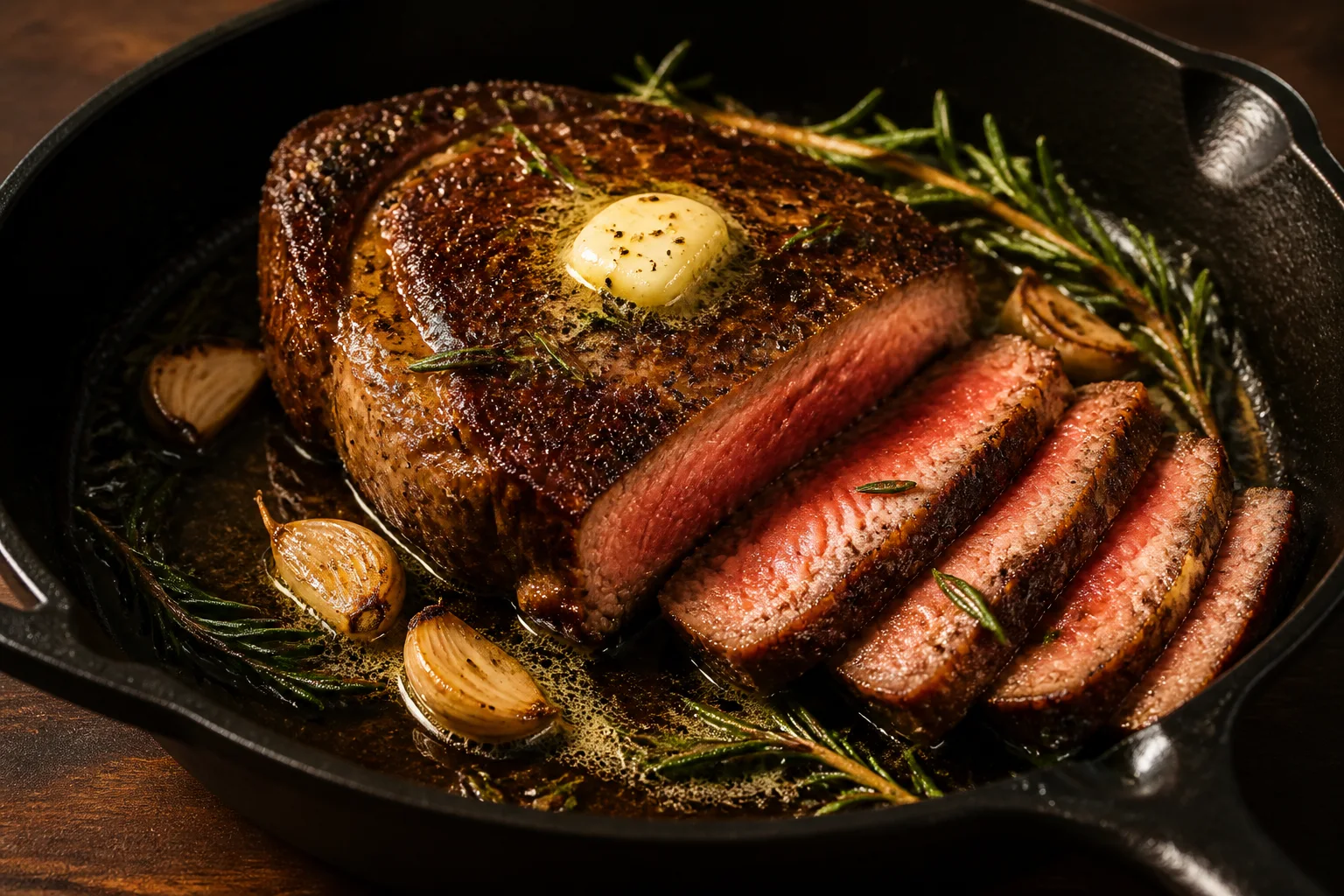
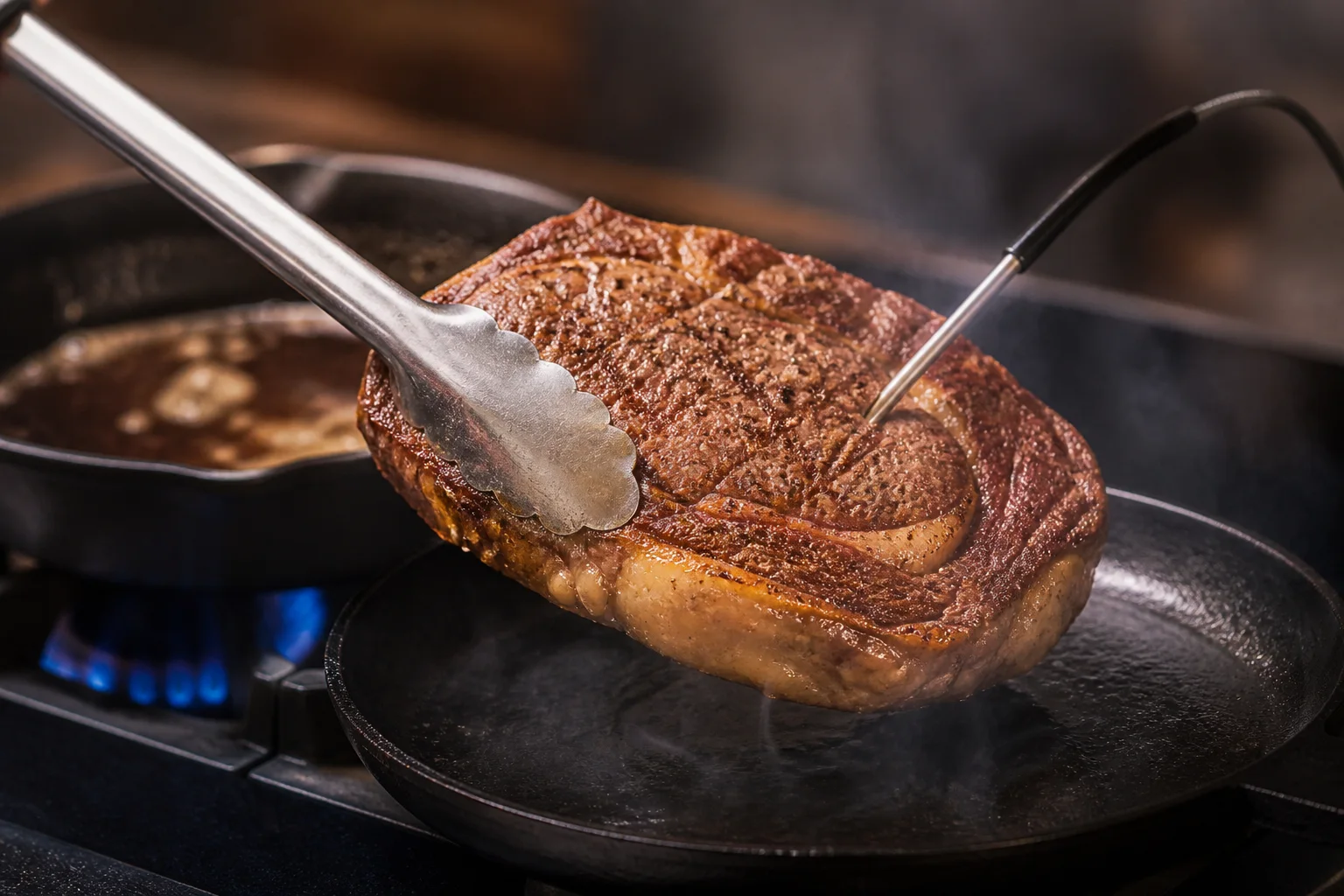
Visual Reference
Choose a Cowboy Ribeye
Look for an even two-inch cut, a broad eye, a visible cap and fine marbling. A compact bone should fit a large skillet, although a grill remains easier. Ignore ranch-themed branding that offers no grade, aging or origin information.
Best Cooking Approach
Reverse sear or use a two-zone grill. Warm the center gently, blot the surface and finish over concentrated heat, turning frequently. The reverse-sear ribeye guide gives the detailed sequence; the temperature chart helps plan the finish.
Carve and Serve
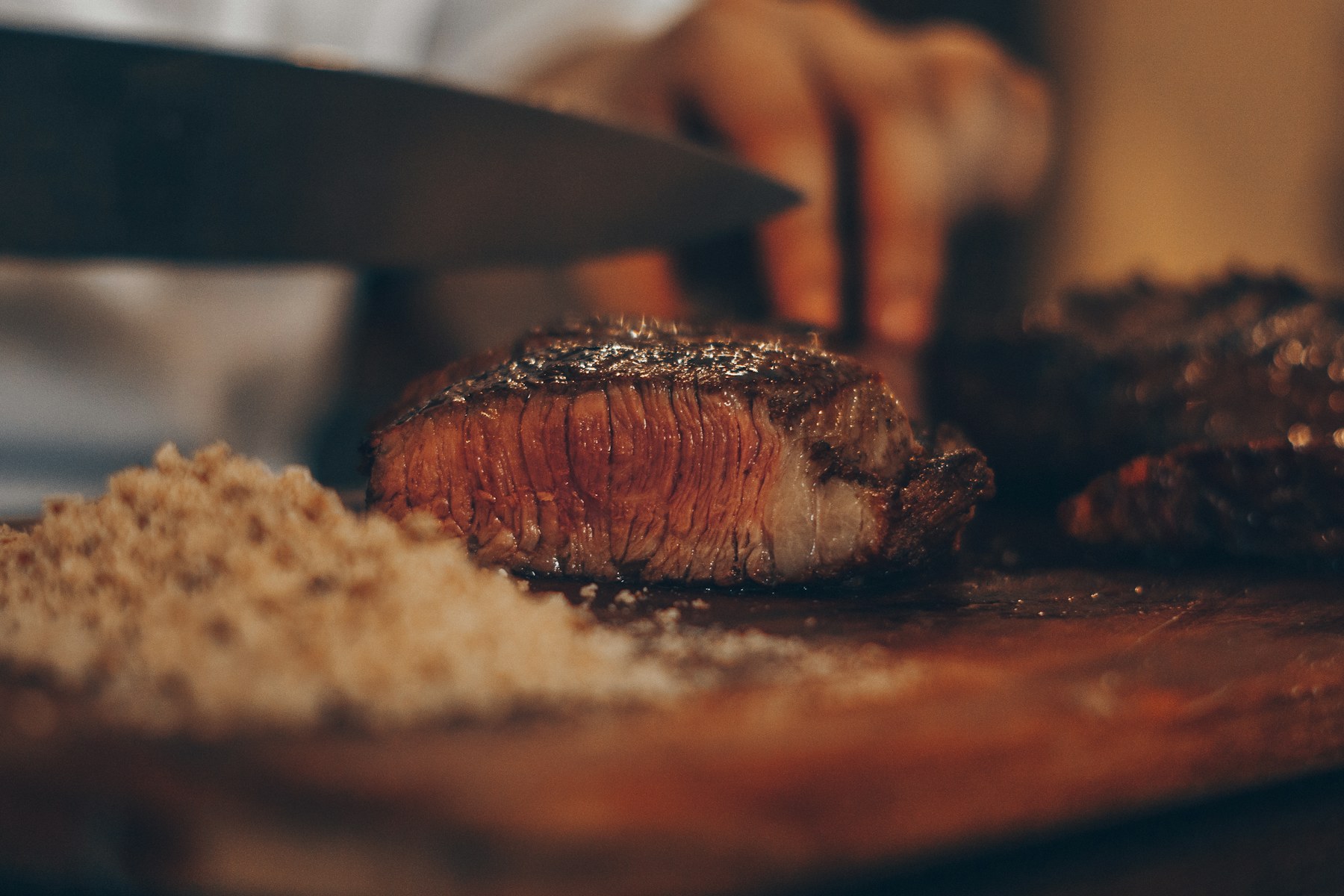
Rest until carryover slows, cut close to the bone, and divide the cap if its grain changes. Serve thick slices with board juices and a sharp green sauce. A cowboy steak usually feeds one very hungry diner or two people with sides, but judge the actual meat weight.
Set Up the Grill for a Compact Bone-In Steak
A cowboy steak's short handle makes it easier to rotate than a tomahawk, but the bone still creates an insulated edge. Build a broad indirect zone and a direct zone large enough for the meat, not just the bone. Place the eye over indirect heat and point the handle away from the strongest flame so it remains easy to grip with tongs.
During the sear, render the outer fat edge in brief contacts and keep the cap away from persistent flames. The bone can prevent one part of the eye from meeting a flat plancha. Shift the steak and use the rounded edge of the surface rather than pressing hard enough to squeeze the meat.
For service, a short bone fits on an ordinary carving board. Rest, remove the meat and return the cleaned bone to the platter only if presentation matters. Slice cap and eye according to their grain, then share the steak like a small roast. If the bone complicates your equipment without adding value, a boneless ribeye is the more rational choice.
Cowboy, Tomahawk and Bone-In Ribeye Compared
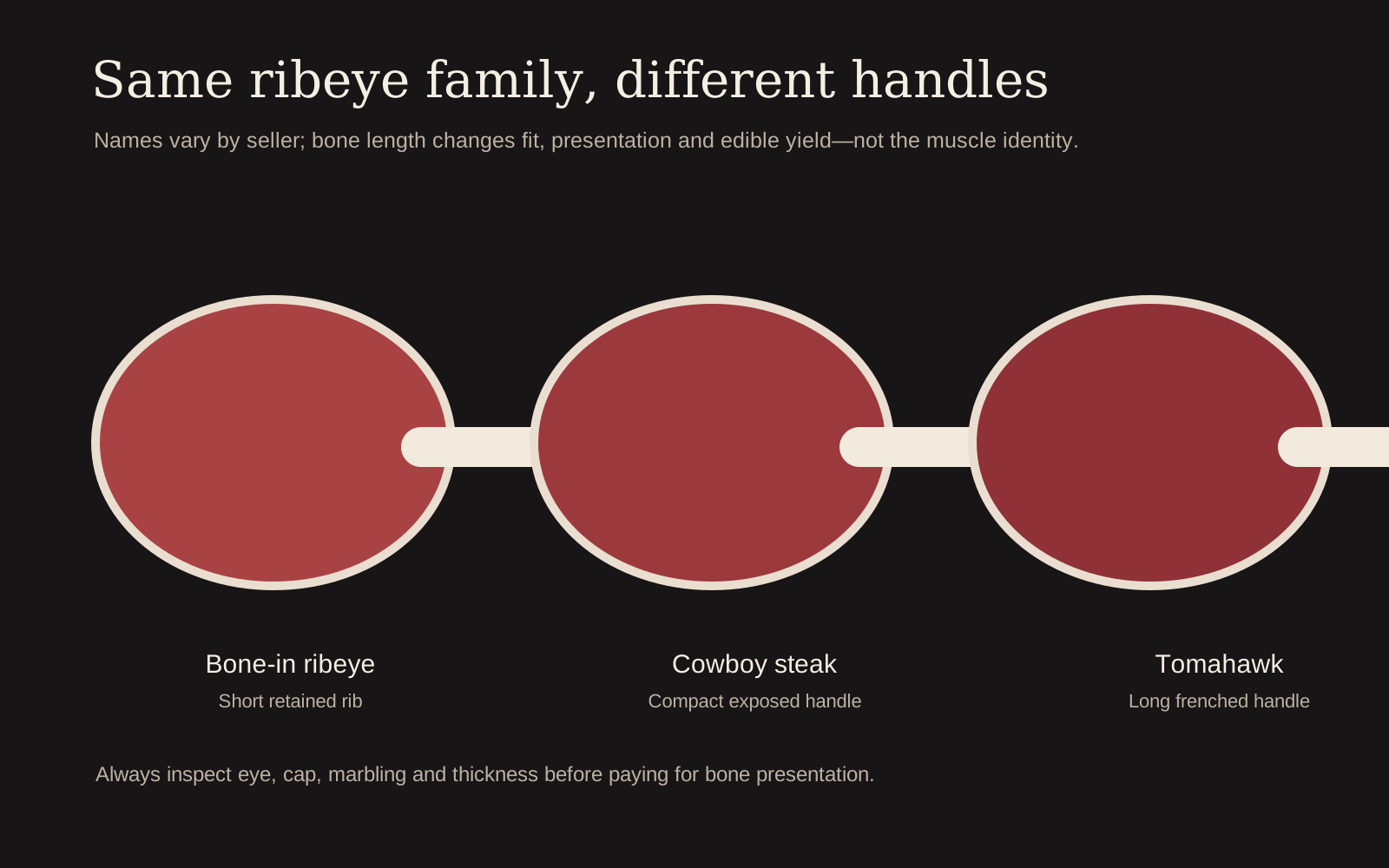
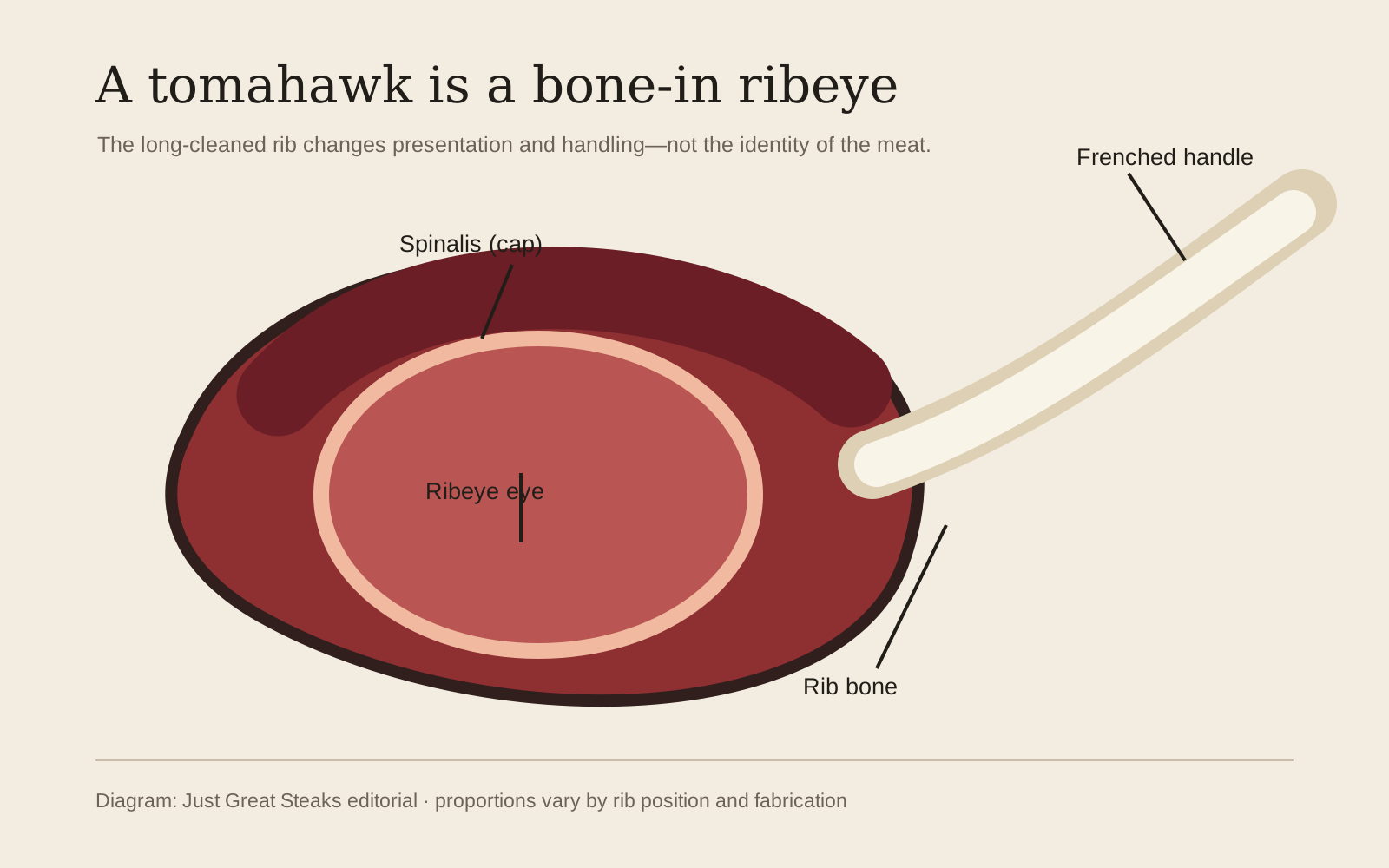
Cowboy steak is a thick bone-in ribeye with a short exposed rib handle. The exact bone length is not federally standardized, so sellers use the name with some flexibility. The useful distinction is practical: a cowboy cut retains bone-in presentation without the full length of a tomahawk.
| Cut | Shared anatomy | Main difference |
|---|---|---|
| Bone-in ribeye | Eye, cap, rib | Shortest and least presentation-focused bone |
| Cowboy steak | Eye, cap, rib | Short cleaned handle, usually thick |
| Tomahawk | Eye, cap, rib | Long frenched handle and greater fit constraints |
If the long handle is central to the occasion, read the tomahawk guide. If pan fit and edible yield matter more, a cowboy steak is usually the calmer purchase.
Cook a Cowboy Steak by Thickness
A cowboy steak around 1½ inches can be seared and finished over moderate heat, but thicker examples benefit from reverse searing. Salt ahead, dry the surface and warm the center gently. Preheat the final surface before the low stage ends so the crust develops quickly.
On a grill, place the bone toward the cooler zone and turn the broad faces frequently over direct heat. Render the exterior fat edge over moderate heat, not directly in sustained flames. In a skillet, shift the steak to compensate for the rib lifting one area.
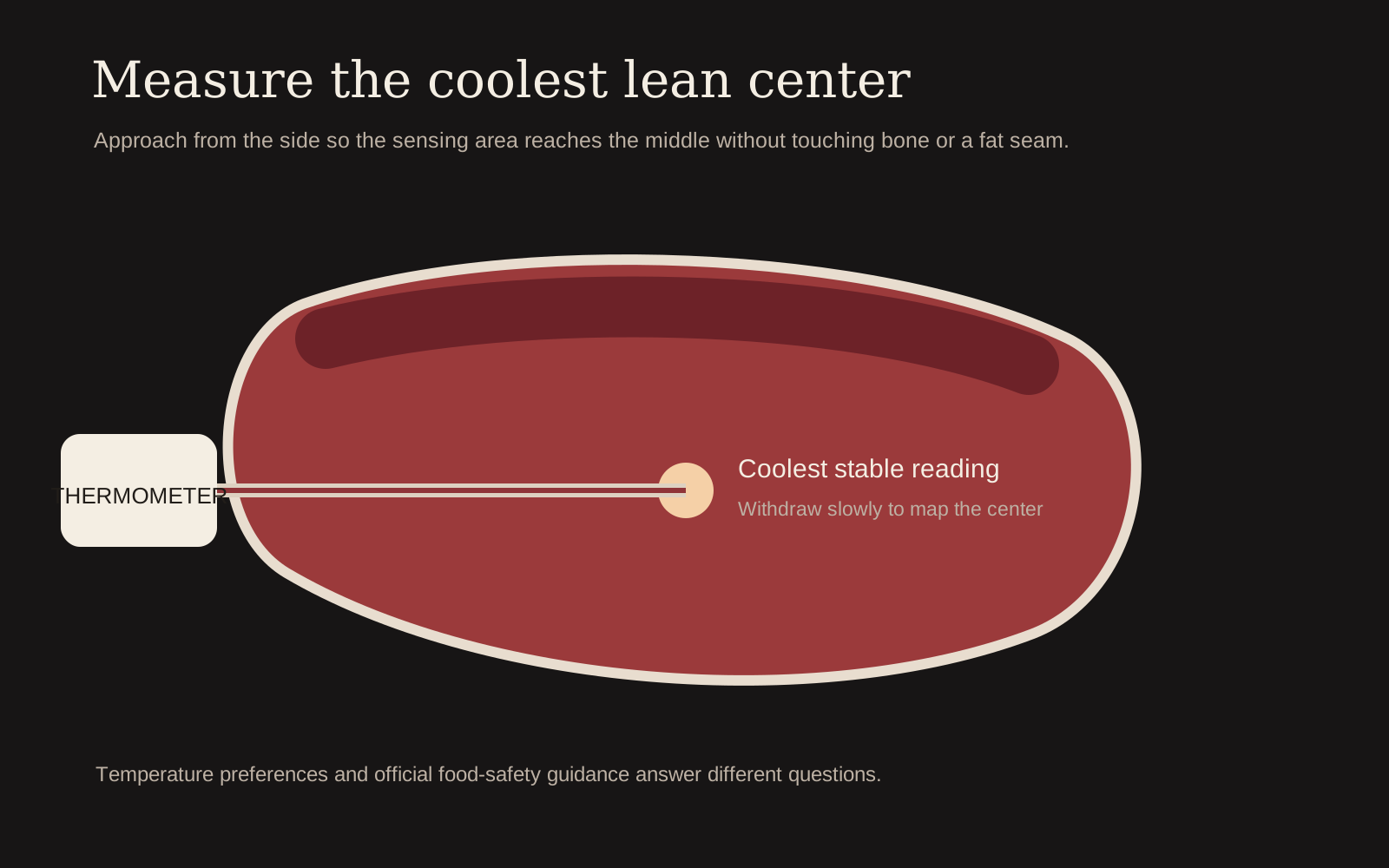
Serve a Cowboy Steak for Sharing
Rest on a warm board, carve along the bone and slice the eye and cap separately when their grains differ. A cowboy steak is typically large enough to share, but serving capacity depends on edible meat after bone and trim rather than package pounds.
Use the bone as presentation after carving, not as a reason to send an intact steak around the table. A sharp slicing knife gives each diner both crust and center while keeping portions consistent.
A Complete Cowboy Steak Buying and Serving Plan
Order by thickness, ribeye face and maximum overall length. Ask for the grade or producer program, aging method and whether the listed weight includes a particularly heavy rib. A short clean handle should not distract from weak marbling or a narrow cap.
For two diners, one evenly thick cowboy steak can offer a satisfying shared center. For four diners, two medium steaks usually provide more crust and easier doneness control than one oversized cut. Use the steak serving calculator as a planning estimate, then account for bone and trim.
Build the plate around ribeye richness: watercress, grilled radicchio, potatoes with vinegar, roasted mushrooms or a sharp herb sauce. Butter is optional, not obligatory. Warm the platter and keep sauce off some of the crust.
After the meal, cool and refrigerate leftovers promptly. Keep the meat attached to the bone or in a large piece for storage, then carve cold or warm gently. A second hard cook will overtake the center before the rib area heats evenly.
Cowboy Steak vs Tomahawk: Keep the Cut and Comparison Separate
A cowboy steak is a thick bone-in ribeye with a comparatively short exposed rib bone. A tomahawk usually leaves a much longer frenched bone. The core ribeye can be very similar, so grade, marbling, thickness and rib position explain more about eating quality than bone length.
Use the dedicated cowboy steak vs tomahawk comparison for side-by-side bone cost, skillet fit, edible yield and presentation value. Return here for cowboy-specific buying and cooking.
Where This Guide Fits
This page supports the broader Ribeye Steak guide. Use that pillar page for the complete cut family, buying framework and links to every closely related article.
Useful next reads include Bone-In Ribeye Steak, Ribeye Steak Recipe, How to Cook Ribeye Steak, Tomahawk Steak, and steak temperature for nearby cuts, methods and decisions.
Frequently Asked Questions
Is cowboy steak ribeye?
Yes. It is generally a thick bone-in ribeye with a short cleaned rib bone.
Cowboy steak vs tomahawk: what is the difference?
Mainly bone length and handling. Both are thick bone-in ribeyes; the cowboy's shorter handle is easier to fit in cookware.
How should cowboy steak be cooked?
A gentle indirect stage followed by a hot sear is reliable for the thickness. Use a thermometer, not fixed time alone.