Bistec a lo Pobre
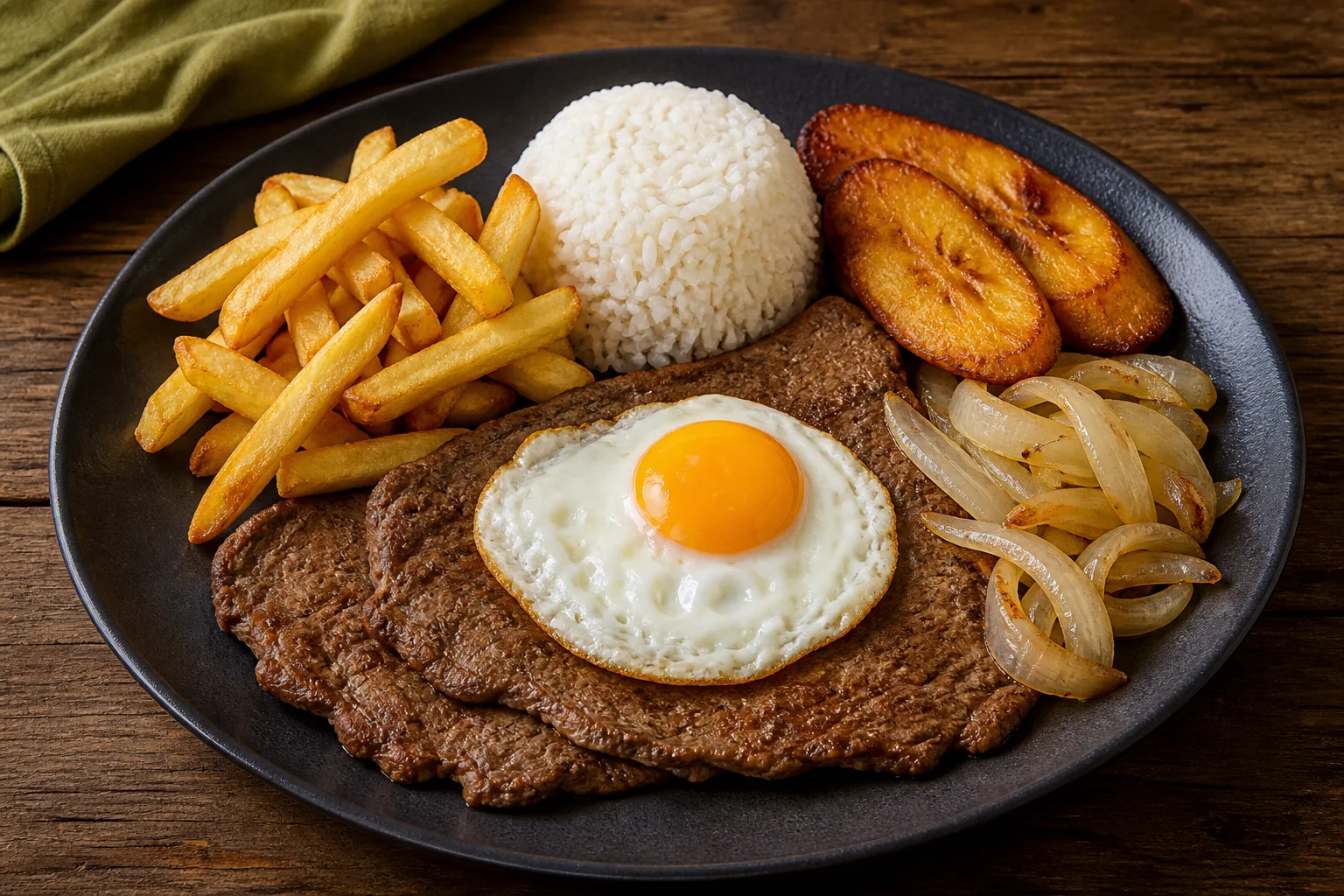
Make bistec a lo pobre with thin steak, fried egg, potatoes, rice, sweet plantain and onion, timed so every component reaches the plate hot.
- Prep
- 25 minutes
- Cook
- 35 minutes
- Rest
- 5 minutes
- Total
- 65 minutes
- Serves
- 4
- Yield
- 4 complete dinner plates
Equipment
- two heavy skillets
- saucepan with lid
- instant-read thermometer
- wire rack and sheet pan
Ingredients
- 4 thin sirloin steaks, 5 to 6 ounces each
- 1 1/2 teaspoons kosher salt
- 1 tablespoon neutral oil
- 1 large onion, sliced
- 4 large eggs
- 1 1/2 pounds potatoes, cut into fries
- 2 ripe plantains, sliced lengthwise
- 3 cups cooked white rice
- black pepper and chopped parsley
Instructions
- Cook the rice
Prepare the rice and keep it covered. Heat the oven to 225°F for holding cooked components briefly.
- Crisp potatoes and plantain
Cook the potatoes until crisp and drain on a rack. Brown the plantain in a lightly oiled skillet and hold both warm without covering tightly.
- Brown the onion
Cook sliced onion over medium heat until soft and deeply golden; transfer to a warm plate.
- Sear the steak
Dry and season the sirloin, then sear in a hot skillet without crowding. Measure the center and rest for five minutes.
- Fry eggs and assemble
Fry eggs until the whites are fully set. Plate rice, potatoes, plantain and steak; add onion and an egg immediately before serving.
Why This Bistec a lo Pobre Recipe Works
This abundant Peruvian plate works when each component is cooked separately: crisp potatoes, warm rice, browned plantain, tender beef and a just-set fried egg. The method separates surface browning, center temperature and final assembly so none of those jobs has to compensate for another. That is especially important when steak is paired with a sauce, bread, pasta, eggs or vegetables that continue cooking on their own schedule.
The recipe uses sirloin steak because Thin, evenly cut sirloin cooks quickly and has enough beef flavor to remain distinct beside the egg, potatoes and plantain. If your butcher offers a different thickness, keep the ingredient ratios but change the cooking time. A thermometer gives a more reliable decision than a fixed minute count.
For a closer look at the beef itself, read the sirloin steak guide. For the underlying heat technique, see pan-seared steak before you begin.
Choose and Prepare the Steak
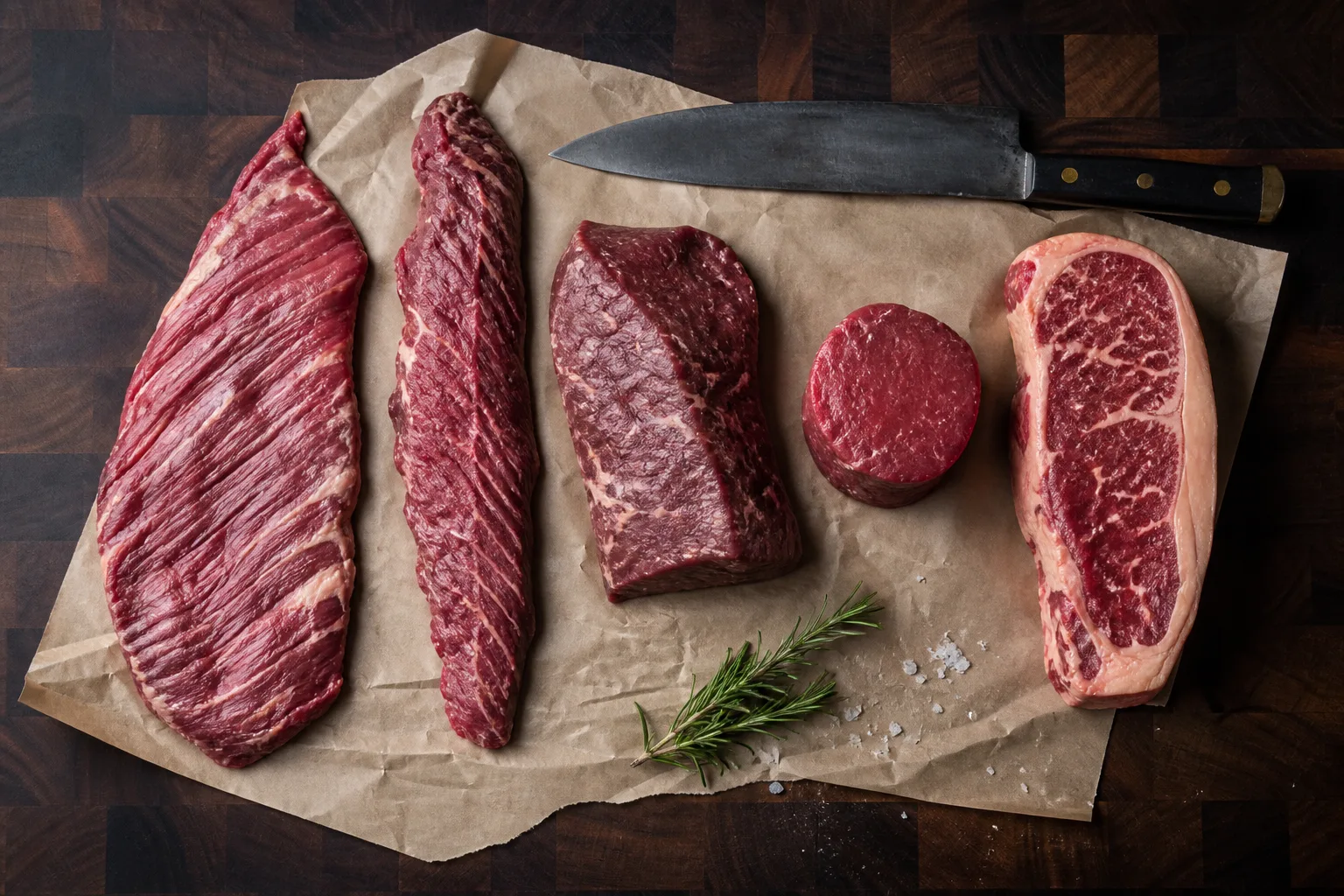
Thin, evenly cut sirloin cooks quickly and has enough beef flavor to remain distinct beside the egg, potatoes and plantain. Buy steaks with a clean smell, intact cold packaging and a shape you can cook evenly. A tapered end will finish before the thick center; either tuck it, separate it or place it over gentler heat.
- Trim with purpose. Remove loose flaps and hard exterior seams, but keep edible fat that can render without causing uncontrolled flare-ups.
- Dry before seasoning. Surface water spends energy steaming. Blot thoroughly, then season all sides, including the narrow edges.
- Salt consistently. Weighing salt is the most repeatable approach. If using volume measures, remember that crystal size changes the amount in a spoon.
- Prepare every accompaniment first. Sauce, vegetables, bread, pasta, rice or eggs should be staged before the steak enters the hot pan or grill.
Cook the rice first, hold the potatoes on a rack and slice the onion and plantain before the steak reaches the pan. Do not leave raw beef at room temperature for hours in an attempt to “warm the center.” The practical gains are small and safe cold-chain handling remains important.
Cook It Step by Step
- Cook the rice: Prepare the rice and keep it covered. Heat the oven to 225°F for holding cooked components briefly.
- Crisp potatoes and plantain: Cook the potatoes until crisp and drain on a rack. Brown the plantain in a lightly oiled skillet and hold both warm without covering tightly.
- Brown the onion: Cook sliced onion over medium heat until soft and deeply golden; transfer to a warm plate.
- Sear the steak: Dry and season the sirloin, then sear in a hot skillet without crowding. Measure the center and rest for five minutes.
- Fry eggs and assemble: Fry eggs until the whites are fully set. Plate rice, potatoes, plantain and steak; add onion and an egg immediately before serving.
Work in stages and avoid crowding: fry potatoes and plantain, brown onions, sear the thin steaks, then fry eggs while the beef rests briefly. Pan temperature, grill output, steak thickness and starting temperature all affect elapsed time, so the stated cook time is a planning range rather than a promise. Measure at the coolest central point and keep the probe away from bone, a large fat seam or the hot cooking surface.
- 01Prepare all components
- 02Dry and season the steak
- 03Build controlled browning
- 04Measure the center
- 05Rest before slicing
- 06Assemble and serve immediately
Rest, Slice and Finish
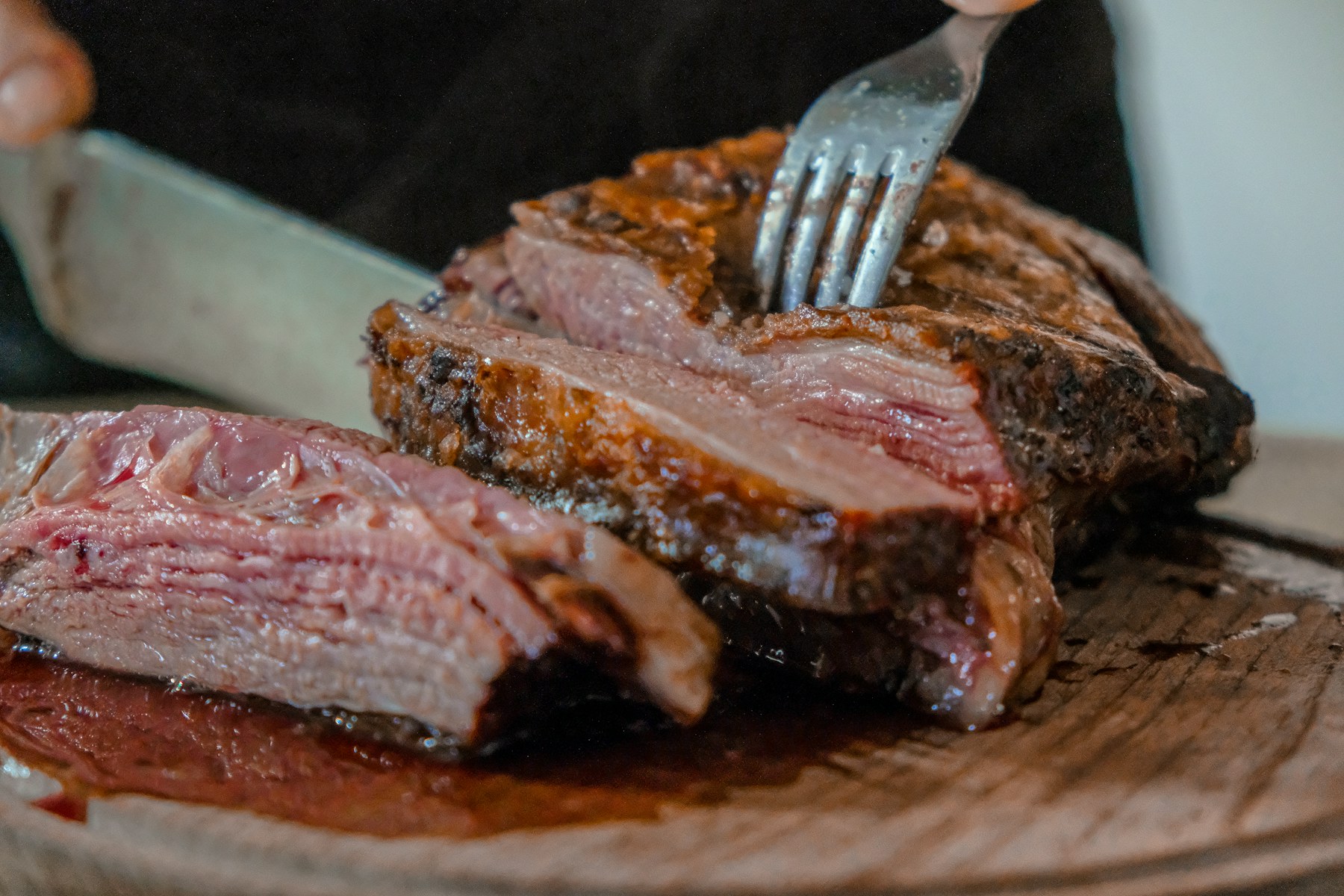
Serve each steak whole or in broad cross-grain slices, then add the egg last so its yolk becomes a sauce rather than soaking the crisp potatoes. Resting is a thermal phase, not a ritual with one universal duration. A thick steak retains more heat and usually needs longer than thin strips. Keep the rest uncovered or very loosely tented so the crust does not steam.
Find the direction of the long muscle fibers before cutting. Slice across those fibers when the recipe calls for strips; that shortens each bite. Tenderloin medallions and ground-beef patties do not need the same grain correction, but they still benefit from a clean, sharp knife and deliberate portioning.
Build four individual plates with rice and potatoes on opposite sides, steak in the center, onion over the beef and one egg on top. Taste the complete bite before adding more salt. Cheese, reduced sauce, seasoned rice, bread, capers and dressings may contribute enough sodium after assembly.
Common Mistakes and Practical Fixes
| Problem | Likely cause | Better move |
|---|---|---|
| Pale surface | Wet beef or crowded pan | Dry thoroughly and cook in batches |
| Burned exterior, cool center | Heat too aggressive for thickness | Move to gentler indirect heat and measure |
| Tough sliced steak | Cut with the grain or overcooked | Rotate and slice across visible fibers |
| Watery sauce or bowl | Steak juices added before resting | Rest separately, then add only the juices you want |
| Cold final dish | Accompaniments were started too late | Stage the full recipe before searing |
The best correction is usually procedural, not a larger amount of sauce. Control moisture, heat zones, sequencing and temperature first. Those four variables explain most failed steak recipes and make the next attempt repeatable.
Storage and Leftover Strategy
Refrigerate rice, beef and potatoes promptly in separate shallow containers; reheat leftovers to 165°F and fry fresh eggs for serving. Cool leftovers promptly in shallow containers and refrigerate rather than leaving the assembled dish on the counter. Store wet sauce separately from bread, greens or crisp vegetables whenever possible.
For reheating, protect the steak from another full high-heat cook. Thin slices can be warmed briefly in sauce, folded into hot rice at the last moment or placed on a sandwich after the other components are hot. If the steak is already at your preferred doneness, serving it cool or room-cool in a salad can preserve texture better than microwaving until piping hot.
To use the same skills in another meal, continue with sirloin steak, steak and eggs, pan seared steak, steak temperature, steak rice bowl, steak dinner ideas. Each guide changes the cut, heat source or final assembly while keeping temperature and slicing decisions explicit.
Where This Guide Fits
This page supports the broader Steak Dinner Ideas guide. Use that pillar page for the complete cut family, buying framework and links to every closely related article.
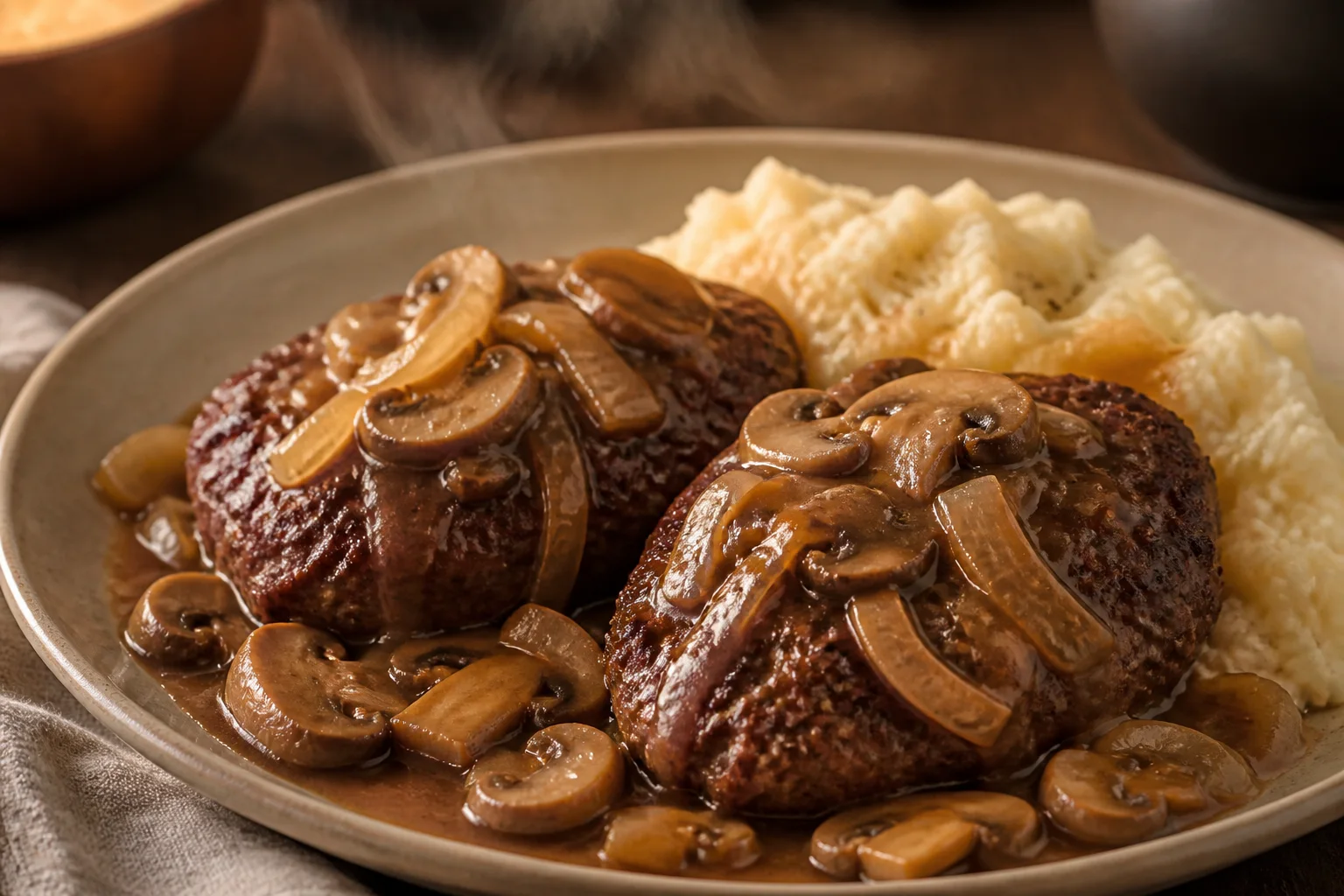
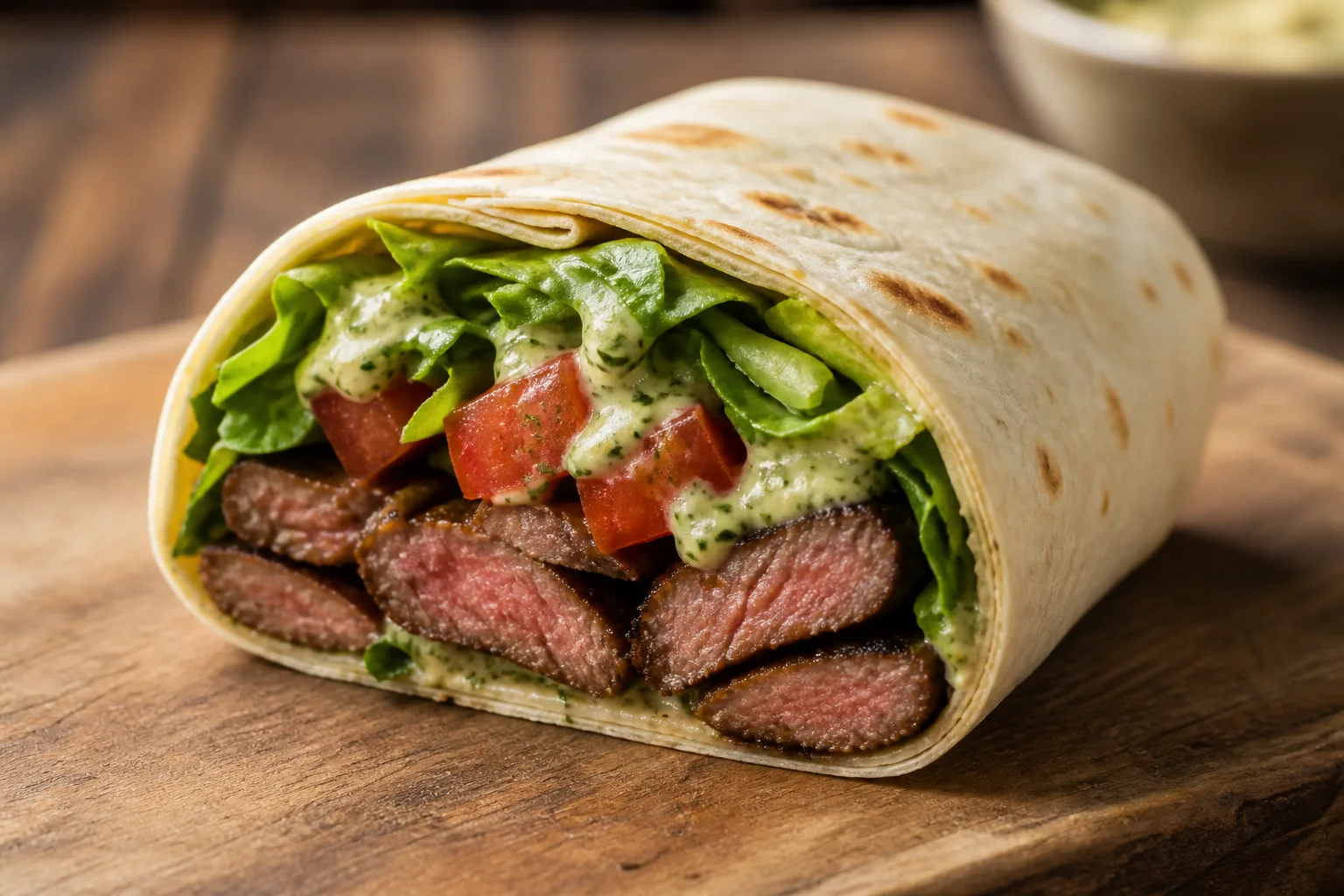
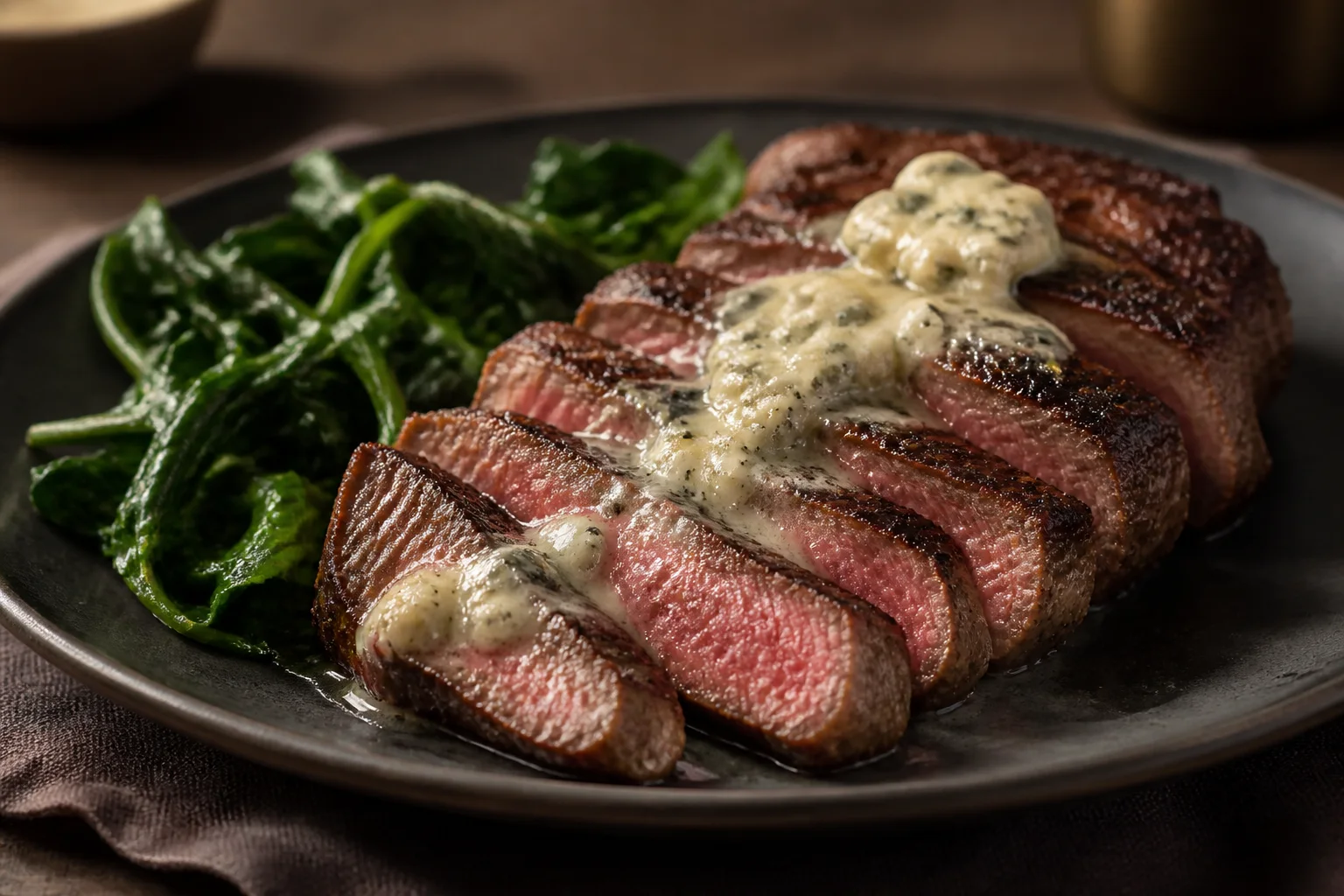
Useful next reads include Salisbury Steak Recipe, Steak Wrap Recipe, Steak with Blue Cheese, recipes, and steak temperature for nearby cuts, methods and decisions.
Frequently Asked Questions
What is the best cut for bistec a lo pobre?
sirloin steak is the primary choice here because its shape and texture suit the method. A substitute can work, but thickness, grain and cooking time must be adjusted.
Can I prepare bistec a lo pobre ahead?
Prepare sauces, vegetables and dry ingredients ahead. Cook and slice the steak close to serving for the best crust and temperature.
Should steak be sliced before or after cooking?
Cook whole steaks first unless the recipe specifically uses fast-cooking strips. Rest, identify the grain and slice across it before final assembly.
Sources & further reading
- USDA FSIS — Safe Minimum Internal Temperature Chart — Official safety guidance for whole beef steaks and roasts.
- TVPerú — Bistec a lo Pobre — Peruvian public-media reference for the dish and its characteristic components.