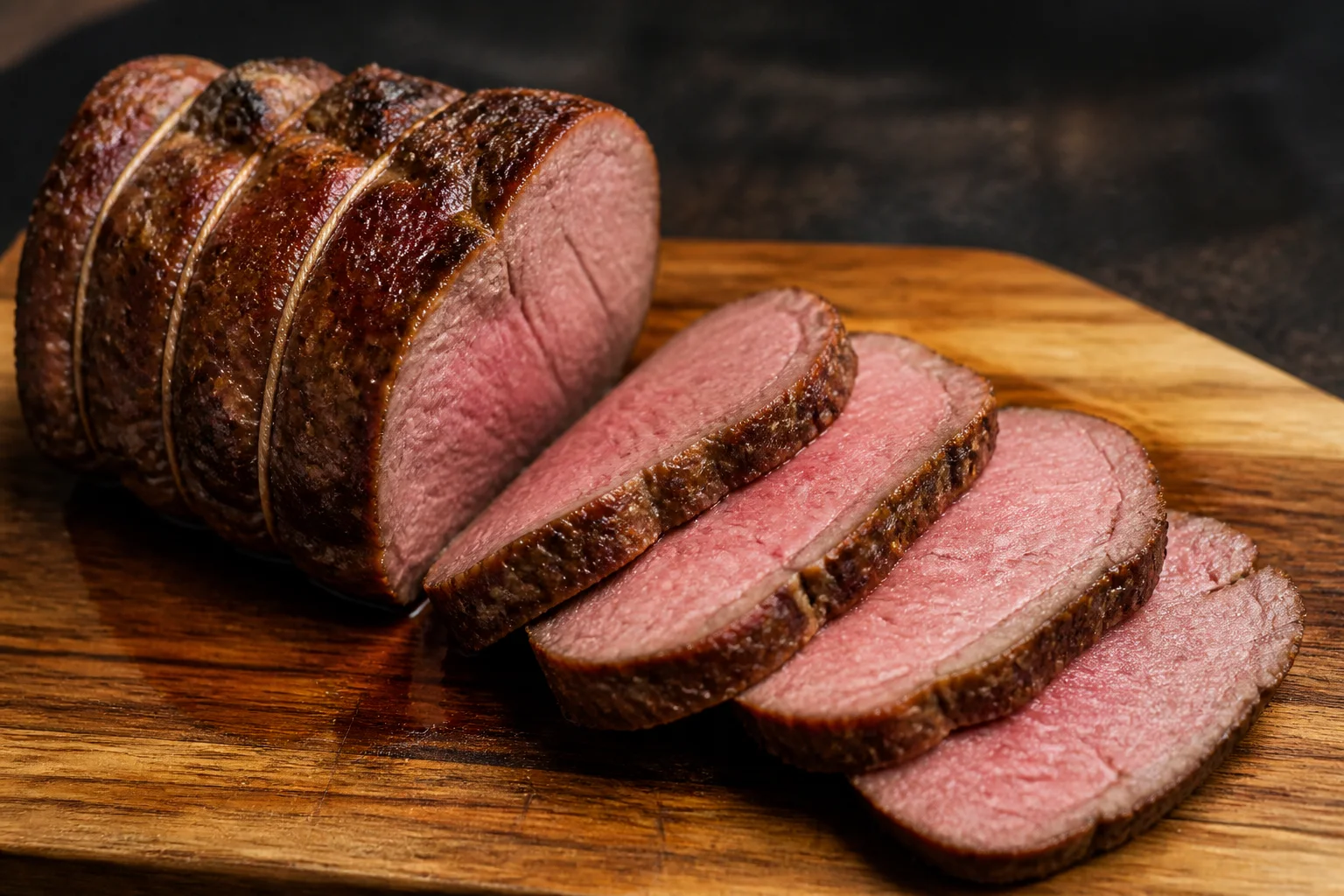
What Is Teres Major?
Teres major is a small, tapered muscle from the chuck shoulder. Because it performs relatively little work, it remains unusually tender for the chuck. Butchers may call it petite tender or shoulder tender. It is not a small beef tenderloin, even though the names and shape invite the comparison.
Its position gives it deeper beef flavor than tenderloin, while its fine grain is more delicate than nearby Denver steak. Each animal yields only a small amount, which limits availability.
Visual Reference

Teres Major Steak at a Glance
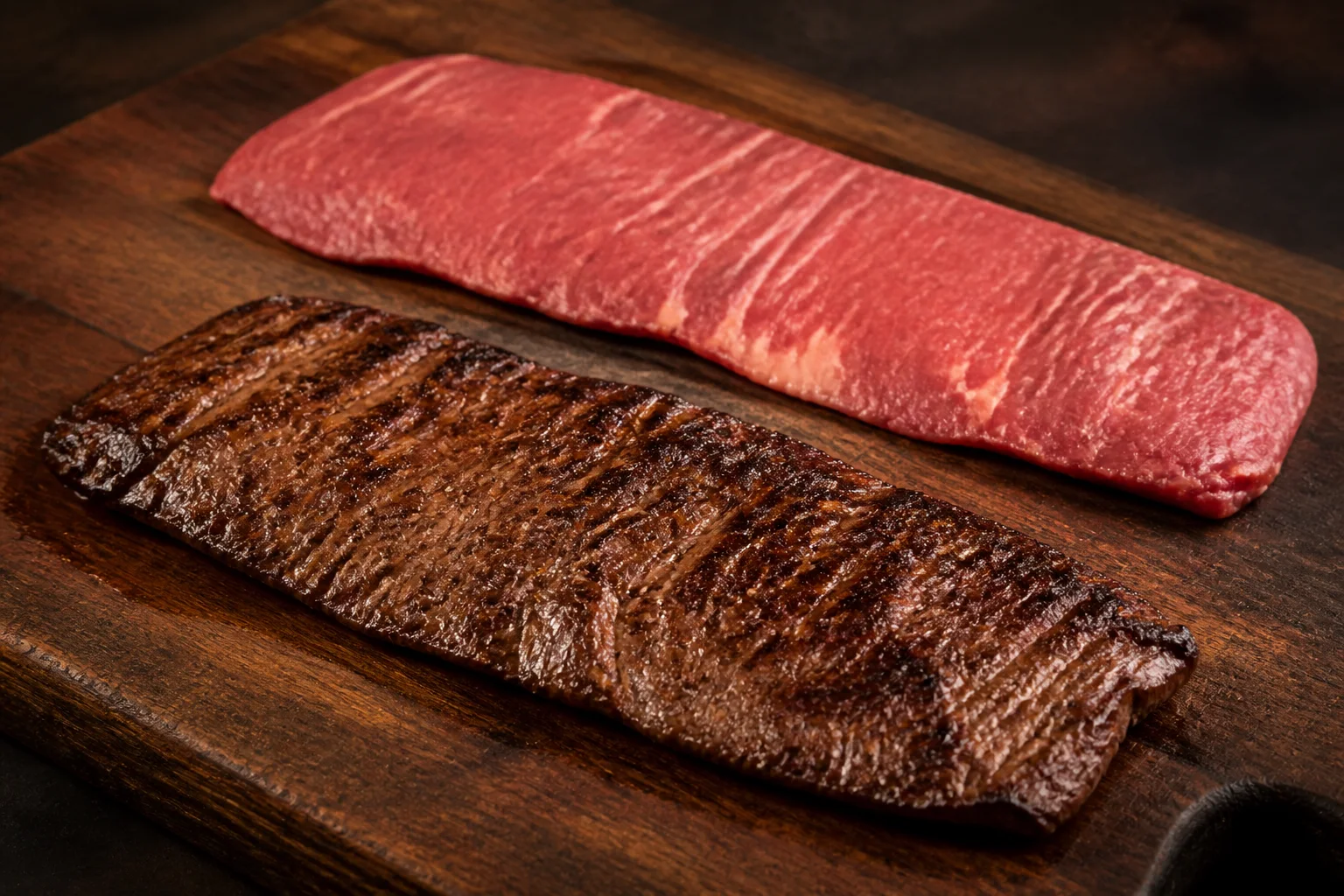
Teres major is the shoulder petite tender: the smallest muscle of the shoulder clod and a distinct seam-cut muscle from the chuck. Its tenderloin-like outline explains the retail name, but it is anatomically separate from filet mignon.
| Identity point | Teres-major answer |
|---|---|
| Primal | Square-cut chuck; shoulder clod |
| Common names | Shoulder petite tender, shoulder tender, butcher’s steak |
| Industry reference | IMPS 114F |
| Useful formats | Cooked whole, tied as a mini roast or cut into center medallions |
| Critical trim | Remove the tough exterior silverskin without gouging the lean |
Trimming Matters
A tough sheath of silverskin can surround the muscle. Slide a sharp boning knife just under it and angle the blade upward to avoid gouging the lean. A fully trimmed piece looks like a narrow mini roast with a tapered tip.
Buying and Portioning
Look for an intact, evenly colored muscle with the silverskin removed or budget time to trim it. One teres major often serves one or two people depending on size and sides. Because it is lean, marbling will not resemble ribeye.
How to Cook Teres Major
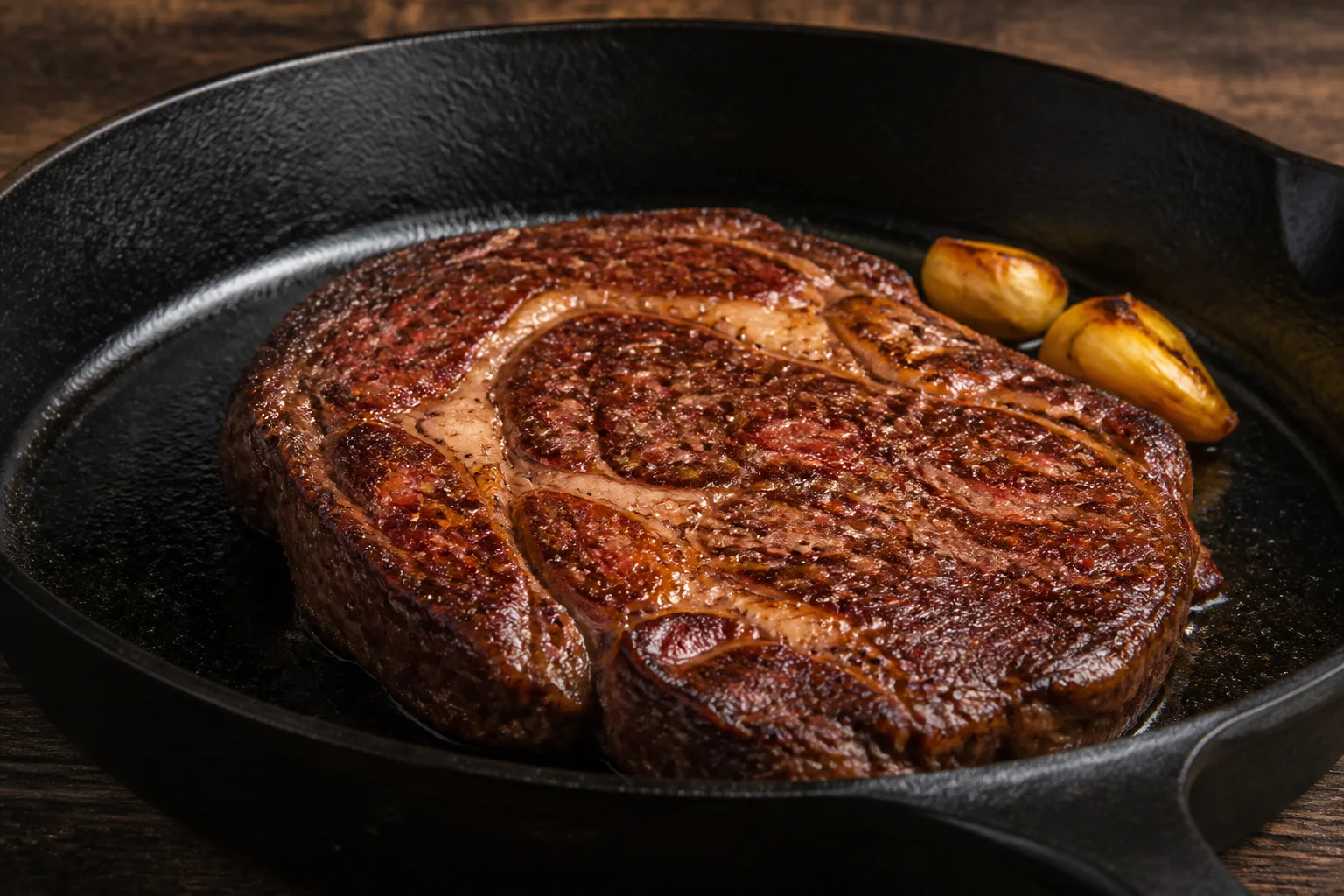
Sear it whole and finish gently, or cut thick medallions from the center. The tapered tip will cook first; fold and tie it for uniformity or reserve it for a separate quick bite. A cast-iron steak method gives a clean crust.
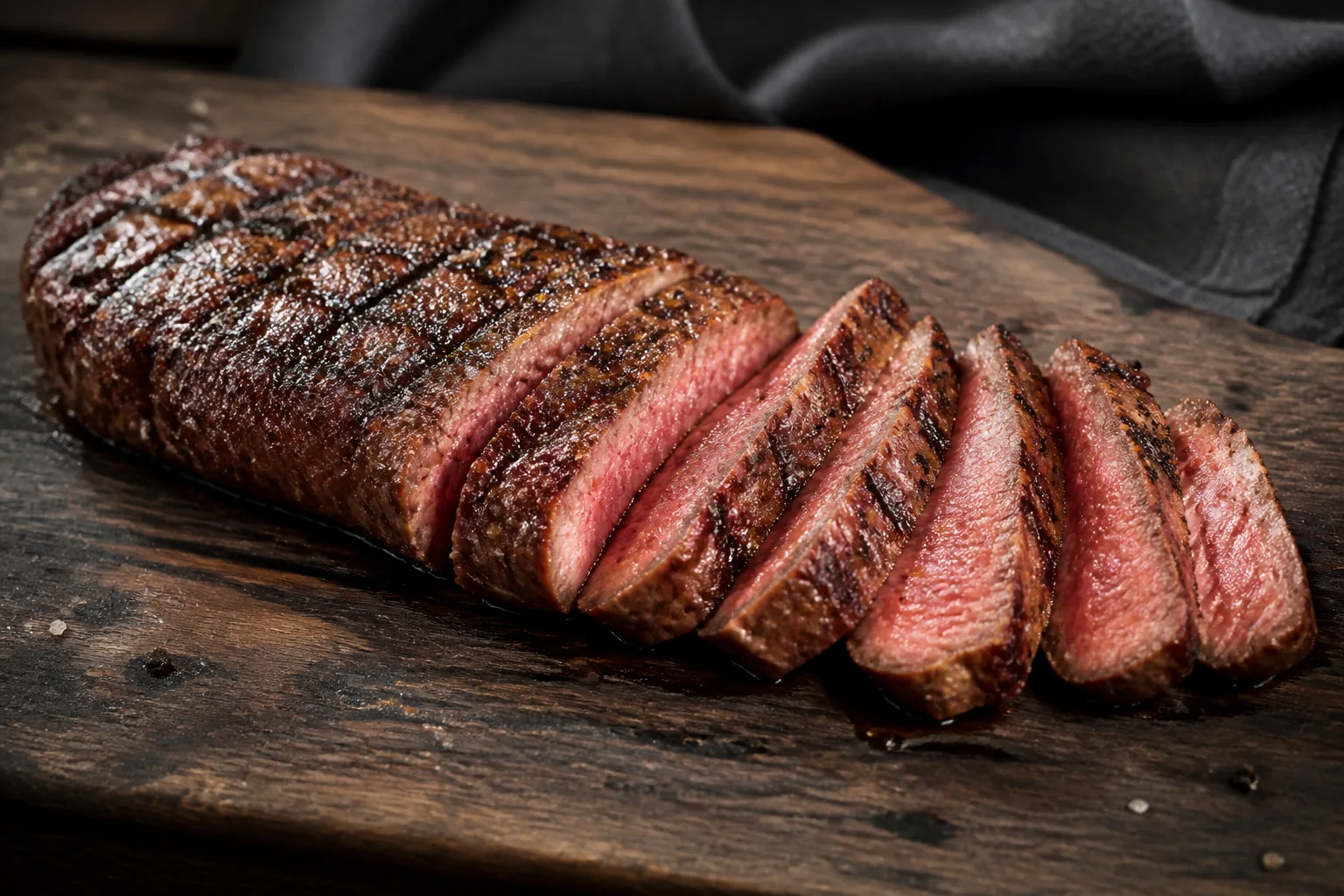
Measure the thick center, rest, then slice across the grain. Use the temperature guide to separate preferred doneness from safety guidance.
Seasoning and Serving
Salt, pepper, thyme and a pan sauce suit its fine grain. Avoid a long acidic marinade that can make the delicate surface mealy. Serve as medallions, over polenta or in thin slices with mushrooms.
Cook the Petite Tender as a Small Roast
The whole muscle's tapered shape is easier to manage if the narrow tail is folded under and tied. Place twine at even intervals without squeezing hard enough to create bulges. Salt the shaped roast ahead, then sear around its circumference and finish with moderate indirect heat.
Probe the thick center lengthwise. The folded tail may read differently and should be checked separately before service. Because the muscle is small, carryover can move quickly after a hard sear; transfer it off the skillet rather than resting in hot fat. Remove every string before slicing.
Cut medallions about half an inch thick for a plated main or thinner slices for sandwiches. A pan jus made from the searing fond reinforces its shoulder flavor. If you want more marbling and a firmer texture from the same general region, choose Denver steak; if you want a large celebratory steak, petite tender is the wrong format.
A Small Muscle That Depends on Seam Butchery
Teres major is a small shoulder muscle sometimes sold as petite tender or shoulder tender. It sits near muscles that work much harder, but the teres major itself has a fine grain and comparatively tender bite. Its shape resembles a miniature tenderloin; the two cuts are not the same muscle.
Silverskin and neighboring connective tissue must be removed cleanly. Poor trimming can make an otherwise tender portion seem tough. Because each carcass yields only a small amount, availability depends on a butcher taking the time to separate and merchandise it.
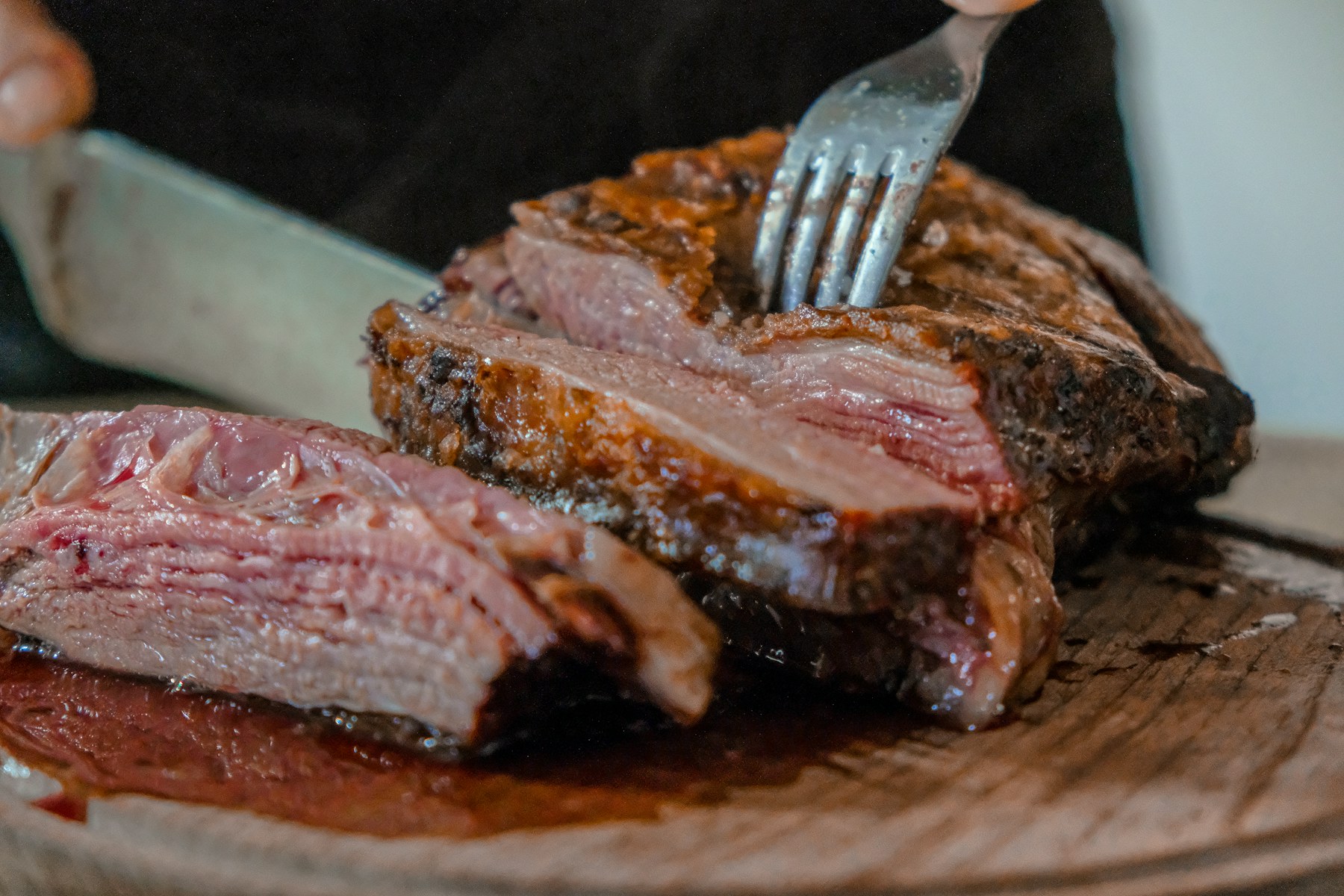
Buy a Clean Whole Muscle and Preserve Its Shape
Look for an evenly trimmed, tapered piece with no thick silver membrane. If buying medallions, choose similar thicknesses. For a whole petite tender, fold the thin tail underneath and tie at intervals so it cooks like a compact roast rather than a wedge.
Dry-brine, sear around the circumference and finish over moderate heat. Probe the thick center lengthwise and check the folded tail separately. Carryover can move quickly in a small roast, so rest it away from the hot pan. Remove every string before carving.
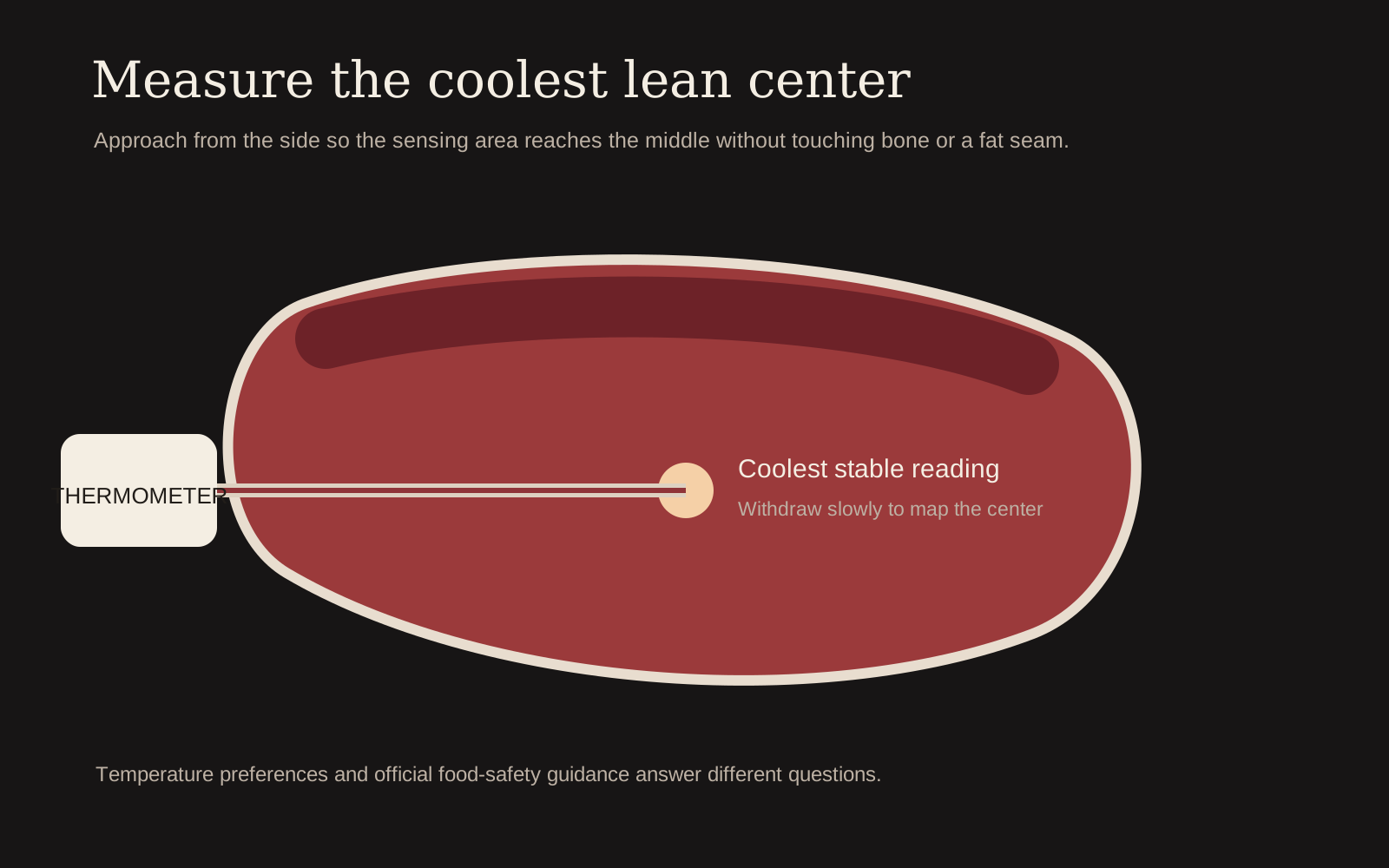
Portion Teres Major as Medallions
Cut half-inch medallions across the grain for a plated main or thinner slices for sandwiches. The fine texture is pleasant without the fat load of ribeye, so a pan sauce or olive-oil herb dressing supplies useful moisture.
Teres major is a strong choice for two diners who do not need a giant centerpiece. If the priority is marbling and beefier shoulder flavor, choose Denver steak; if the priority is the mildest possible luxury cut, compare tenderloin when that Wave 2 guide is published.
Teres Major Compared With Filet and Denver
Teres major and tenderloin share a fine, tender impression, but they come from different regions and tenderloin usually commands a larger luxury premium. Teres major is smaller, slightly beefier and often sold whole. Denver steak comes from another shoulder muscle and usually offers more marbling with a more pronounced grain.
| Cut | Texture | Flavor and fat | Useful format |
|---|---|---|---|
| Teres major | Fine and tender | Lean, gently beefy | Small roast or medallions |
| Tenderloin | Very fine and tender | Mild, lean | Filet steaks or roast |
| Denver | Tender when cut correctly | Often marbled, stronger flavor | Flat steak sliced across grain |
The comparison is useful only when labels identify actual muscles. “Petite filet” can be marketing language for other small cuts, so ask for teres major or petite tender specifically.
Cook Teres Major Whole or as Medallions?
| Format | Best reason to choose it | Main risk | Better control |
|---|---|---|---|
| Whole muscle | Preserves the tapered ends and creates carving slices | Tail finishes before the center | Fold and tie the narrow end; check more than one point |
| Center medallions | Even individual portions and broad searing faces | Small pieces overcook quickly | Cut evenly and cook in one uncrowded layer |
| Thin slices after cooking | Sandwiches, salads and composed plates | Losing track of grain direction | Mark the grain while raw and slice after resting |
If the seller has already removed the silverskin, preserve the muscle’s natural cylinder. If it arrives untrimmed, use short shallow knife strokes and pull the membrane taut. Do not remove a thick ribbon of lean merely to make the surface perfectly smooth.
Shoulder Tender Steak Is Teres Major
Shoulder tender steak is the clear functional alias for teres major: a small, tapered shoulder muscle separated by seam butchery. Petite tender is another common market name. It is genuinely tender for a shoulder cut, but it is not beef tenderloin and should not be priced or portioned as filet mignon.
A properly trimmed piece is compact and elongated with silver skin removed. Because it tapers, the thin tip finishes before the thick center; fold and tie the tip, separate it for another use or position it over cooler heat. Slice the finished steak across its lengthwise fibers.
- Confirm the muscle. Generic shoulder steak may contain tougher neighboring muscles.
- Inspect the taper. Even geometry makes whole-roast cooking more predictable.
- Keep the name honest. “Poor man's tenderloin” describes tenderness and value, not tenderloin anatomy.
Bistro Steak Usually Means Teres Major—but Verify the Menu
Bistro steak is a market and menu name, not one universally enforced federal cut name. Many butchers and restaurants use it for teres major, also called shoulder tender or petite tender. Others may apply bistro language to a small house steak chosen for value. Ask for the muscle or fabrication before treating every bistro steak as identical.
| Name | Most useful interpretation | Verification question |
|---|---|---|
| Teres major | Specific small shoulder muscle | Is the whole muscle seam-trimmed? |
| Shoulder tender / petite tender | Common retail aliases for teres major | Has the exterior silver skin been removed? |
| Bistro steak | Often teres major, sometimes seller-specific | Which muscle is this and how was it portioned? |
| Bistro filet | Presentation language, not tenderloin proof | Is this tenderloin or shoulder tender? |
When it is teres major, cook the small whole muscle gently and sear at the end, or portion it into medallions for a controlled pan cook. Compare its shoulder anatomy with filet mignon before accepting “filet-like” as a literal cut identity.
Where This Guide Fits
This page supports the broader Chuck Eye Steak guide. Use that pillar page for the complete cut family, buying framework and links to every closely related article.
Useful next reads include Cube Steak, Flat Iron Steak, Denver Steak, Sirloin Steak, and steak cuts for nearby cuts, methods and decisions.
Frequently Asked Questions
Is teres major tender?
Yes. It is one of the more tender shoulder muscles, provided the surrounding silverskin is removed.
Is petite tender the same as teres major?
Usually yes. Shoulder tender is another common retail name.
Can it be cut into steaks?
Yes. Cut medallions from the even center or cook the small muscle whole and slice after resting.
Sources & further reading
- USDA FSIS — Safe Minimum Internal Temperature Chart
- USDA AMS — Institutional Meat Purchase Specifications, Fresh Beef Series 100
- Beef. It’s What’s For Dinner — Shoulder Petite Tender Cut Profile
- USDA AMS — Institutional Meat Purchase Specifications, Fresh Beef Series 100 — Federal purchase specifications used to separate cut identity from retailer naming.