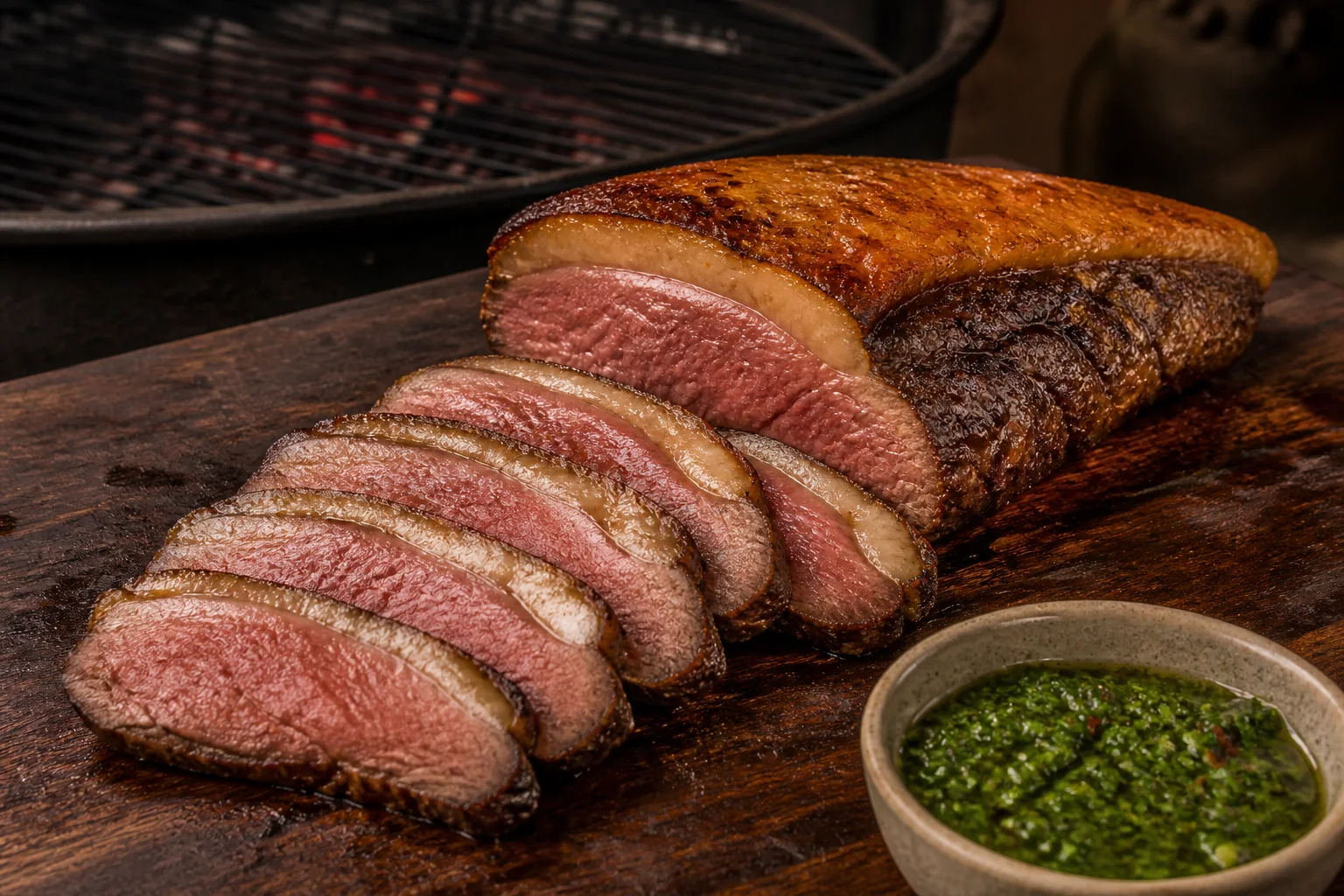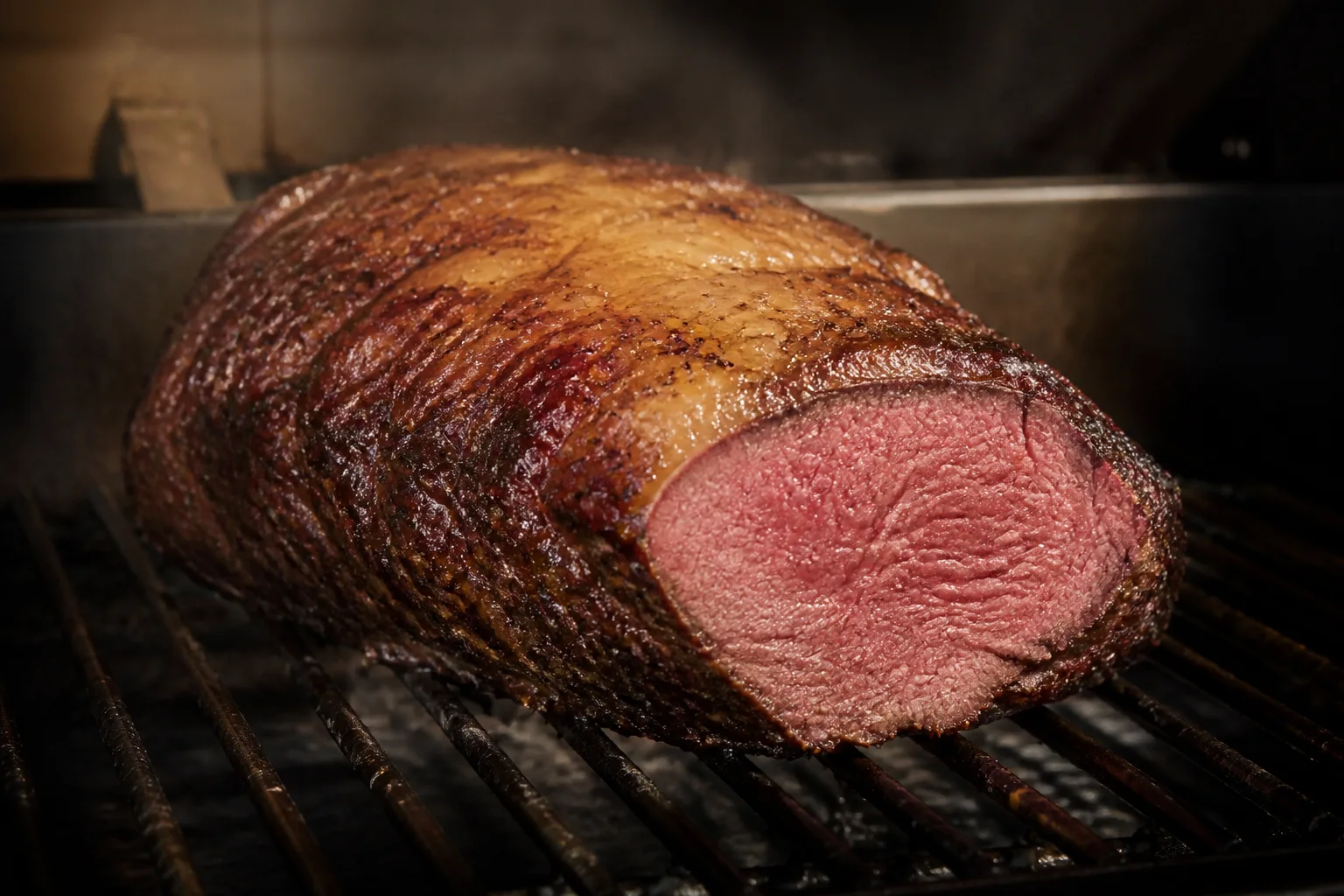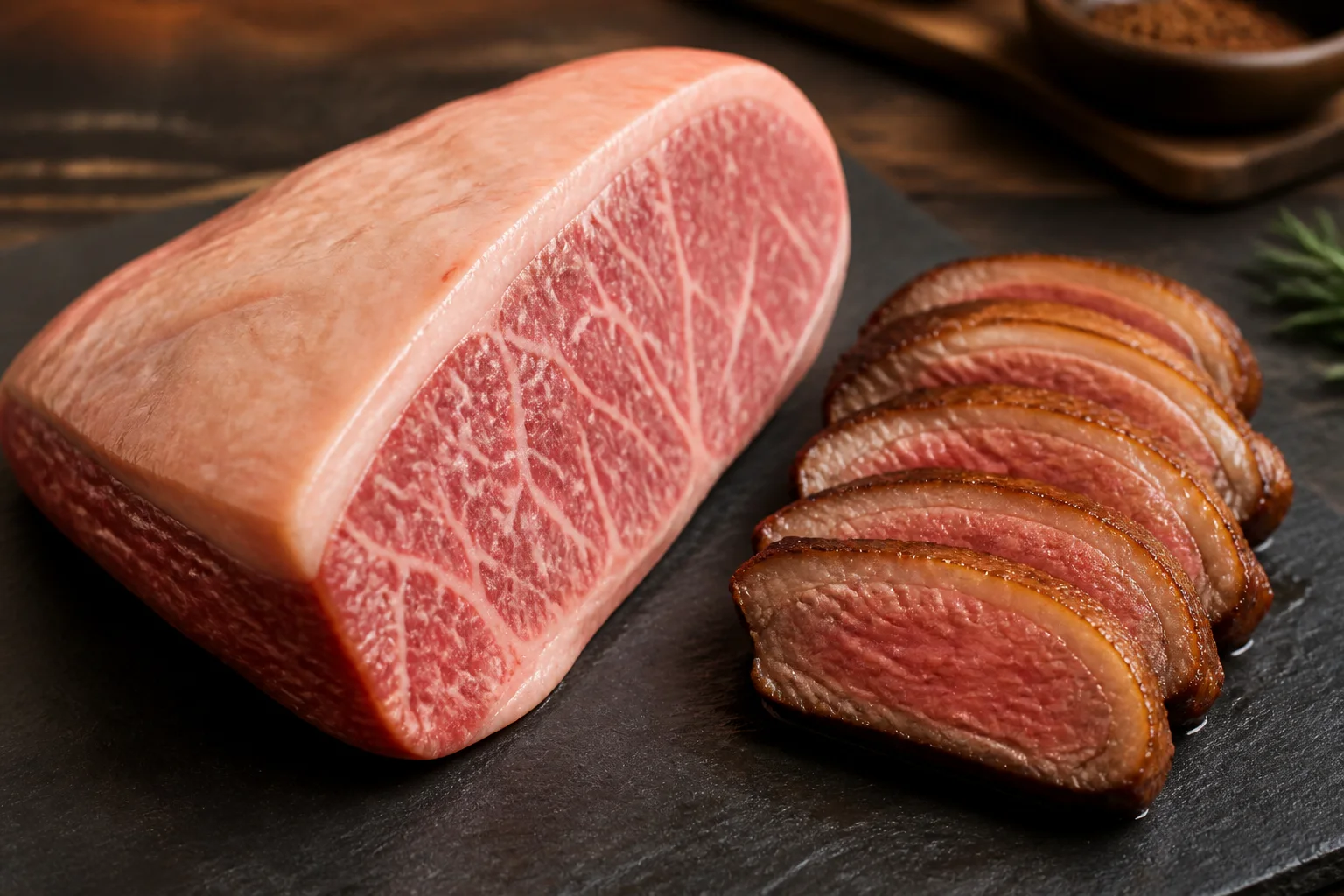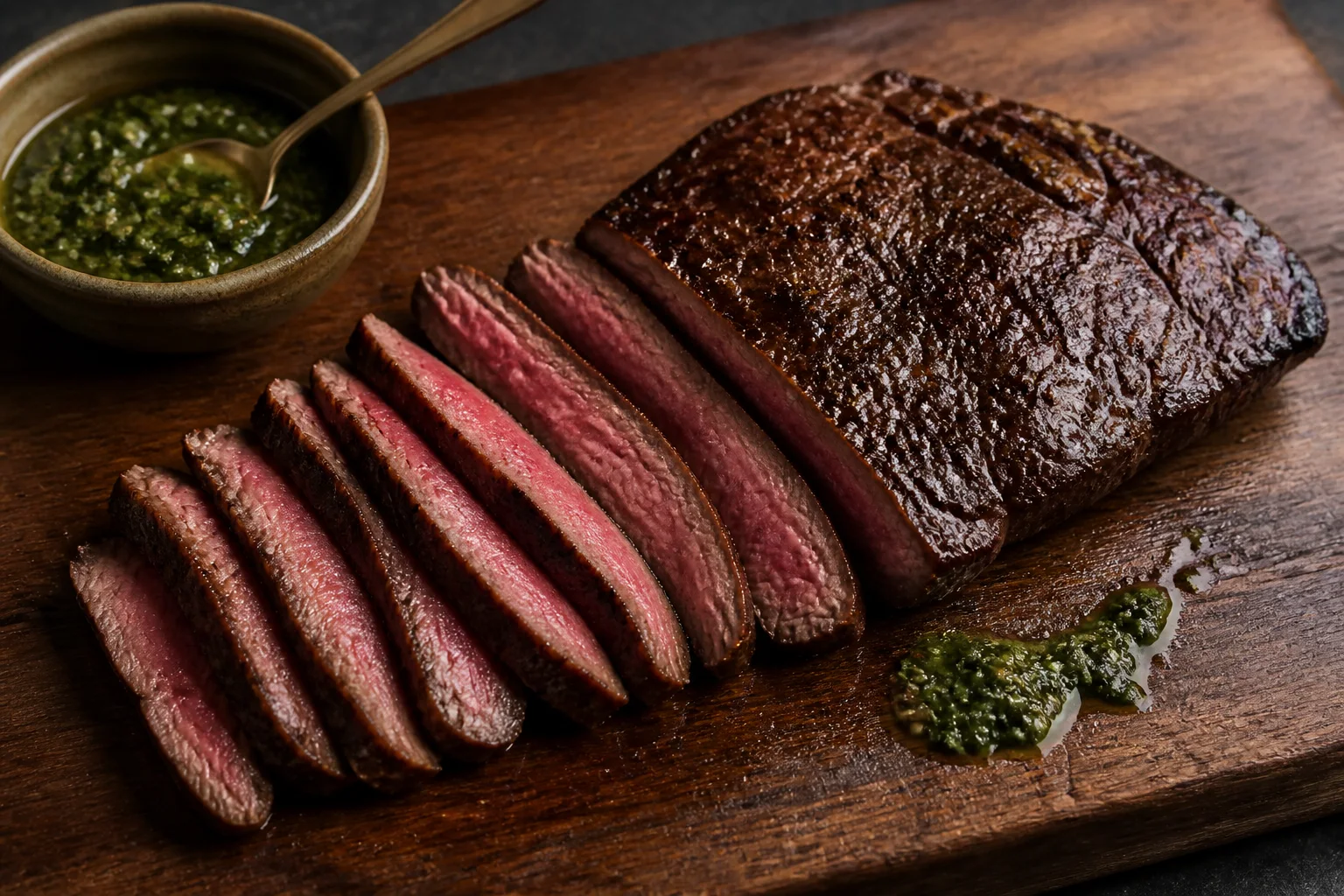
Coulotte, Sirloin Cap and Picanha
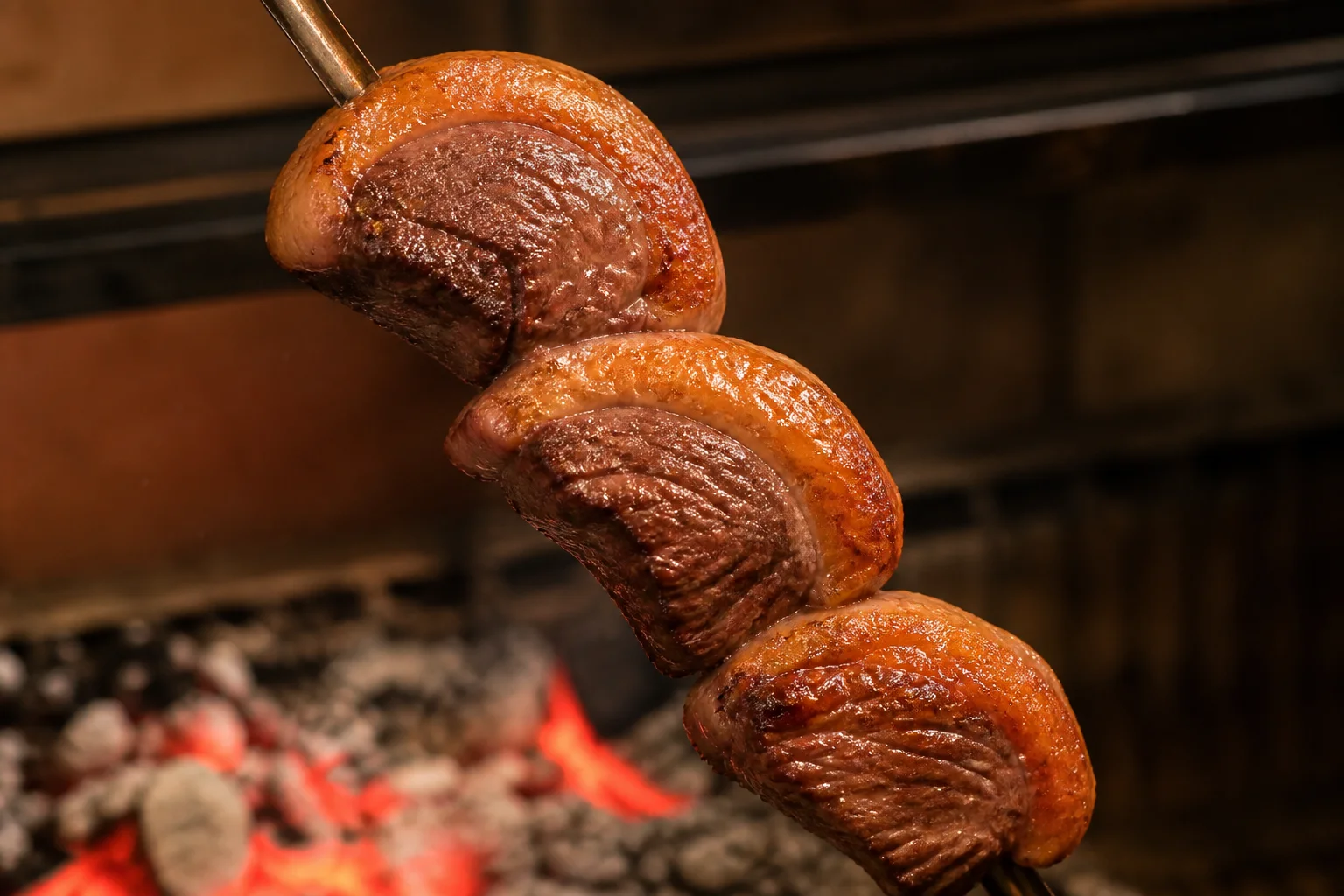
Coulotte refers to steaks or portions cut from the top sirloin cap. Picanha refers to the cap as prepared in Brazilian tradition, usually retaining a substantial fat cap and often cut into thick steaks. In U.S. cases, coulotte may arrive trimmed leaner or portioned differently.
It is not sirloin tip, which generally comes from the round knuckle, and it is not bavette, which usually means sirloin flap.
Visual Reference

Coulotte Steak at a Glance
Coulotte steak comes from the triangular muscle covering the top sirloin. In U.S. specifications it is the boneless top-sirloin-cap steak, IMPS 1184D. Picanha starts with the same muscle but usually signals a fat-cap-forward Brazilian cutting and serving tradition.
| Identity point | Coulotte answer |
|---|---|
| Primal | Sirloin; top sirloin cap |
| Common names | Top sirloin cap steak, sirloin cap, coulotte |
| Shape | Triangular whole cap or steaks portioned from it |
| Fat | May be heavily trimmed or retain a picanha-like exterior cap |
| Carving rule | Mark the curved grain raw; final slices cross it |
Grain, Fat and Flavor
The top sirloin cap has a clear grain, robust beef flavor and moderate tenderness. A continuous fat layer can baste the surface and create crisp browned bites, but an excessively thick or hard cap should be trimmed.
How to Buy
- Look for a triangular cap or steaks cut consistently from it.
- Ask how much fat has been removed and whether the cut is labeled picanha locally.
- Choose even steaks with a visible but manageable fat edge.
- Note grain direction before seasoning.
Grill or Pan-Sear
Score only the fat—not the meat—if the cap is broad. Start fat-side down over moderate heat to render, then sear the meat surfaces. A two-zone setup from the grilled steak guide helps prevent grease flare-ups.
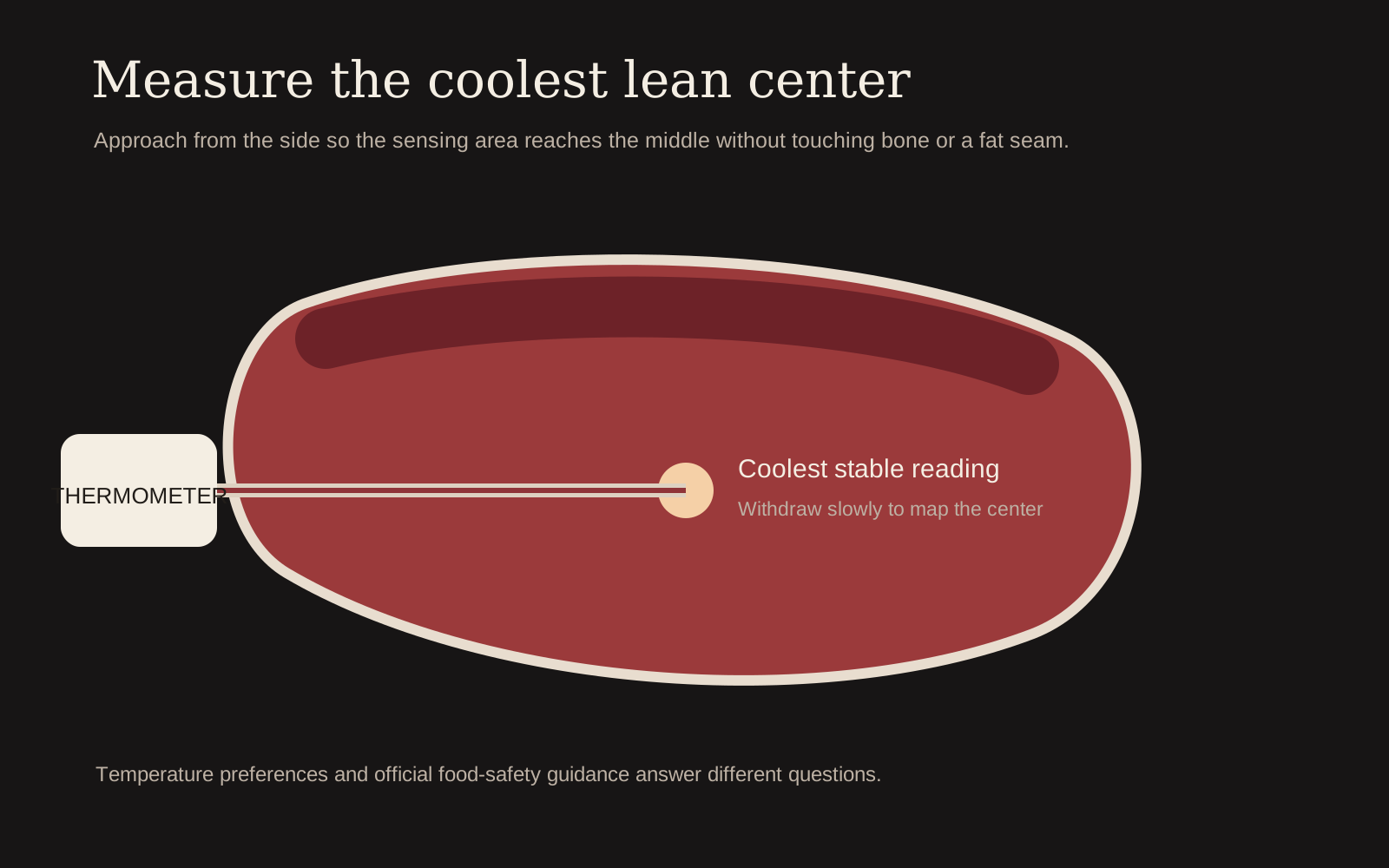
Track the thickest section with the temperature guide, rest, then slice thinly across the grain. Finishing salt and a sharp herb sauce are enough.
Coulotte vs Ribeye
| Feature | Coulotte | Ribeye |
|---|---|---|
| Region | Top sirloin cap | Rib primal |
| Fat | Distinct exterior cap | More internal marbling and seams |
| Texture | Firm, clear grain | Softer mixed muscles |
| Best move | Render cap; slice thin | Control flare-ups; separate eye/cap if useful |
Portion the Sirloin Cap With the Grain in View
A whole top sirloin cap is triangular, so steaks cut straight across it vary in width and grain angle. Lay the raw cap fat-side down, identify the fibers and decide whether the final serving slices or the initial steaks will cross them. Marking the direction before the surface browns prevents confusion later.
Coulotte sold without a full fat cap can dry faster than traditional picanha. Dry-brine, sear firmly and use an indirect zone only as long as thickness requires. If a small fat edge remains, hold it against moderate heat before the broad lean faces. Do not add oil to a pan already receiving ample rendered fat.
The steak's sirloin flavor works with grilled onions, tomato vinaigrette and herbs. Slice thinly across the grain and fan on a warm platter. To understand how a retained cap and Brazilian service change the same muscle, read the picanha guide rather than assuming the names dictate identical trimming.
Coulotte and Picanha Overlap, but Retail Trim Varies
Coulotte generally refers to steaks or portions from the top sirloin cap. Picanha refers to the same cap muscle in a Brazilian cutting and serving context, usually with a pronounced exterior fat cap. In practice, one seller may use both names while another reserves coulotte for more heavily trimmed steaks.
The honest buying question is not which word sounds more authentic. Ask whether the piece is the complete cap, how much fat remains, how it was portioned and where the grain runs. Those facts determine flavor, cooking and carving.
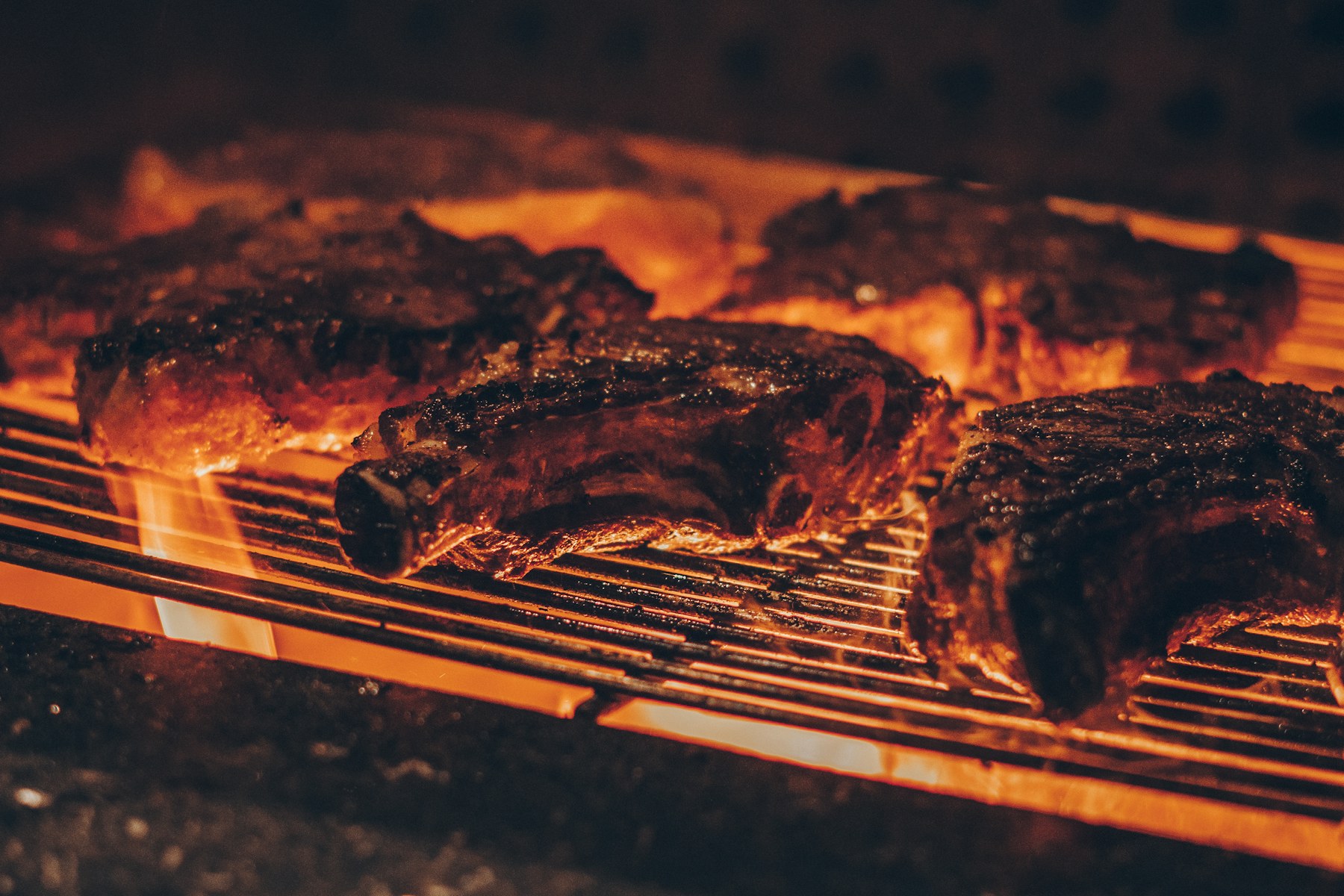
For the whole-cap and skewer tradition, read the picanha guide. For individual trimmed sirloin-cap steaks, remain here.
Choose Even Steaks and Protect the Lean
Look for even thickness, visible grain and a narrow usable fat edge. A steak stripped completely of its cap fat can still taste good, but it needs more careful heat management. Avoid pieces that mix multiple muscles or carry a heavy band of connective tissue.
Dry-brine, start the fat edge over moderate heat and sear the broad faces in short turns. Use an indirect grill zone or lower pan heat only as long as thickness requires. Sirloin cap has less internal fat than ribeye in many examples, so do not extend the cook trying to mimic ribeye softness.
Serve Coulotte With Bright, Direct Flavors
Slice thinly across the grain and serve with tomato vinaigrette, grilled onion, chimichurri or mustard-dressed greens. A warm platter and a small amount of board juice keep the lean supple without hiding the crust.
For leftovers, chill a thick portion and slice it for sandwiches or bowls. Reheat only briefly. The cut's pronounced fibers become firm when repeatedly cooked.
Coulotte Troubleshooting and Kitchen Uses
When coulotte turns out chewy, check three variables in order: whether the package contained clean sirloin cap, whether heavy membrane remained, and whether the final slices crossed the grain. Cooking it longer over fierce heat is rarely the correction. Lean sirloin fibers tighten while the exterior dries.
For a weeknight meal, cook one larger even piece, rest and slice it for rice bowls or salads. For individual steaks, sort by thickness and remove the tapered pieces first. A whole cap can be tied and roasted, but the changing grain demands attention at carving.
Use the rendered fat to cook onions or potatoes only if it remains clean and has been handled safely. Burned black fat should be discarded. Tomato, parsley, garlic, chile and vinegar suit the cut without requiring a heavy butter baste.
Coulotte is a useful value when the butcher identifies and trims it carefully. It is a poor value when the name is applied to mixed sirloin pieces or when the fat cap is counted heavily in package weight but removed before service.
Coulotte and Picanha: Same Muscle, Different Retail Decisions
| Seller format | Likely presentation | Cooking implication |
|---|---|---|
| Trimmed coulotte steaks | Individual steaks with a narrow or removed cap | Use a shorter direct cook and protect the lean |
| Fat-cap coulotte | Individual steaks with a broad exterior edge | Render the edge first over moderate heat |
| Whole picanha | Triangular cap with substantial fat retained | Roast or grill whole, then carve with the grain map in view |
| Brazilian-style portions | Thick pieces folded onto skewers | Rotate deliberately and shave only browned outer slices |
A coulotte steak is not automatically inferior because the cap was trimmed, and a picanha label does not guarantee ideal fabrication. Choose the format that fits the meal, then use the complete picanha guide when cooking the whole cap in Brazilian style.
Where This Guide Fits
This page supports the broader Picanha Steak guide. Use that pillar page for the complete cut family, buying framework and links to every closely related article.
Useful next reads include Brazilian Picanha, Smoked Picanha, Wagyu Picanha, Sirloin Steak, and Grilled Steak for nearby cuts, methods and decisions.
Frequently Asked Questions
Is coulotte the same as picanha?
They come from the same top sirloin cap, but trimming, portioning and culinary usage can differ.
Should I remove the fat cap?
Keep a useful layer for rendering and flavor, but trim an excessively thick or hard layer.
How should coulotte be sliced?
After resting, slice thinly across its obvious grain.