What Brown Sugar Steak Rub Really Means
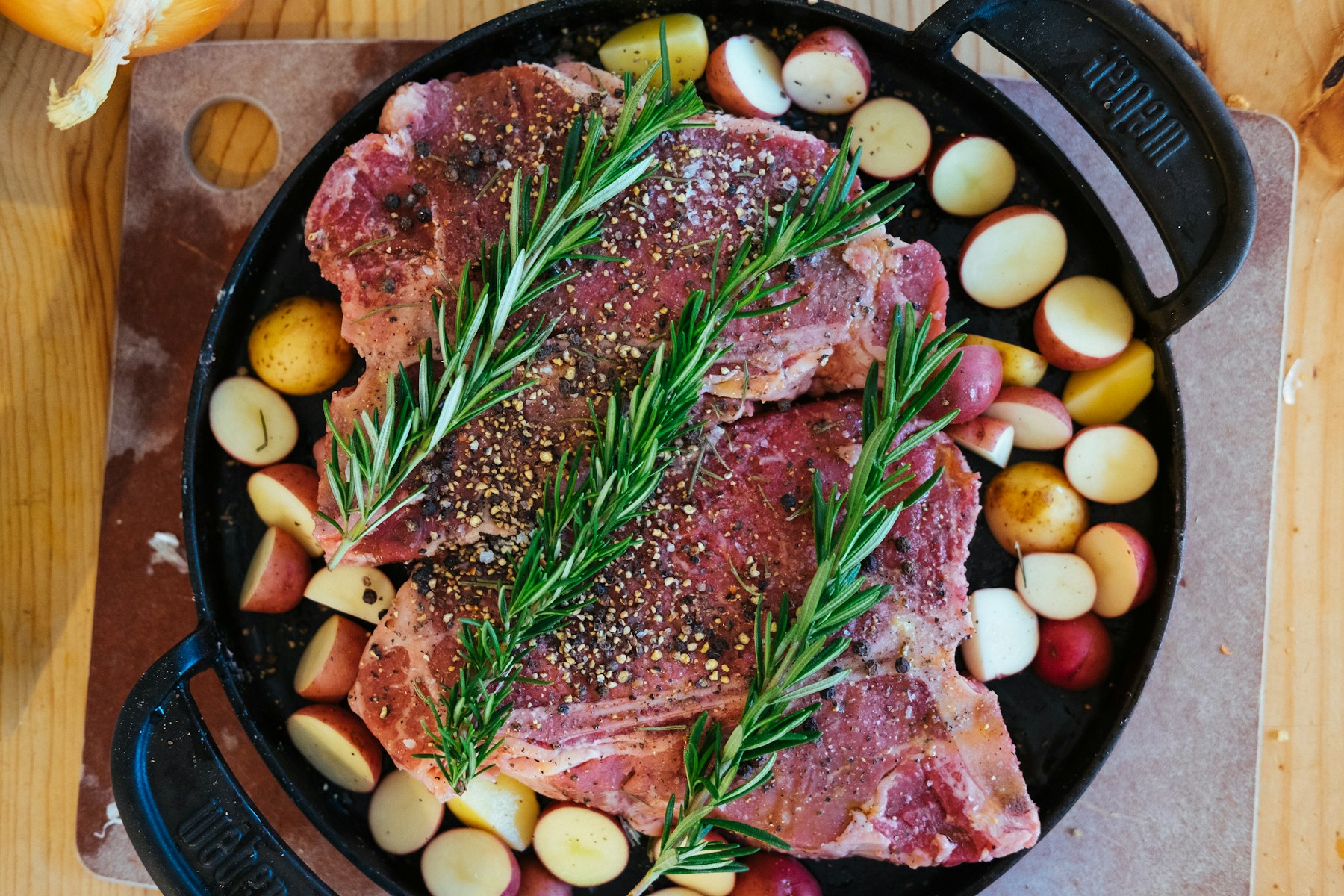
Brown sugar steak rub is a dry seasoning blend that adds restrained sweetness, aromatic spice and faster surface color. It is not a tenderizer and a thick sugary crust cannot compensate for wet beef, poor heat control or incorrect slicing.
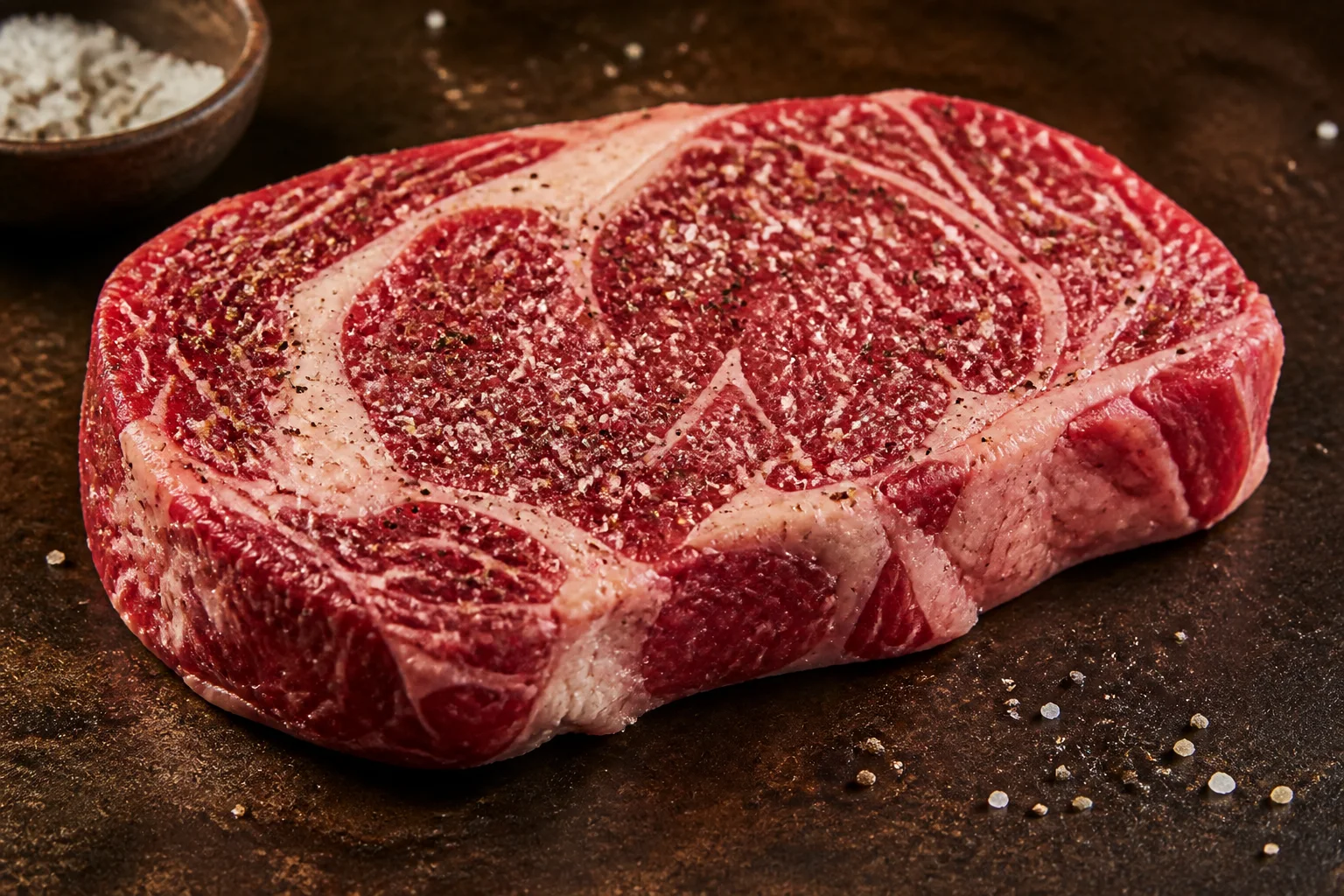
A useful answer begins by naming the exact cut and the state in which it is measured. Raw and cooked weights are not interchangeable because cooking usually removes water and some rendered fat. A cooked 100-gram sample therefore represents a different starting amount of beef than 100 grams raw. Bone, separable exterior fat, marinades and sauce create additional differences that a single restaurant estimate cannot resolve.
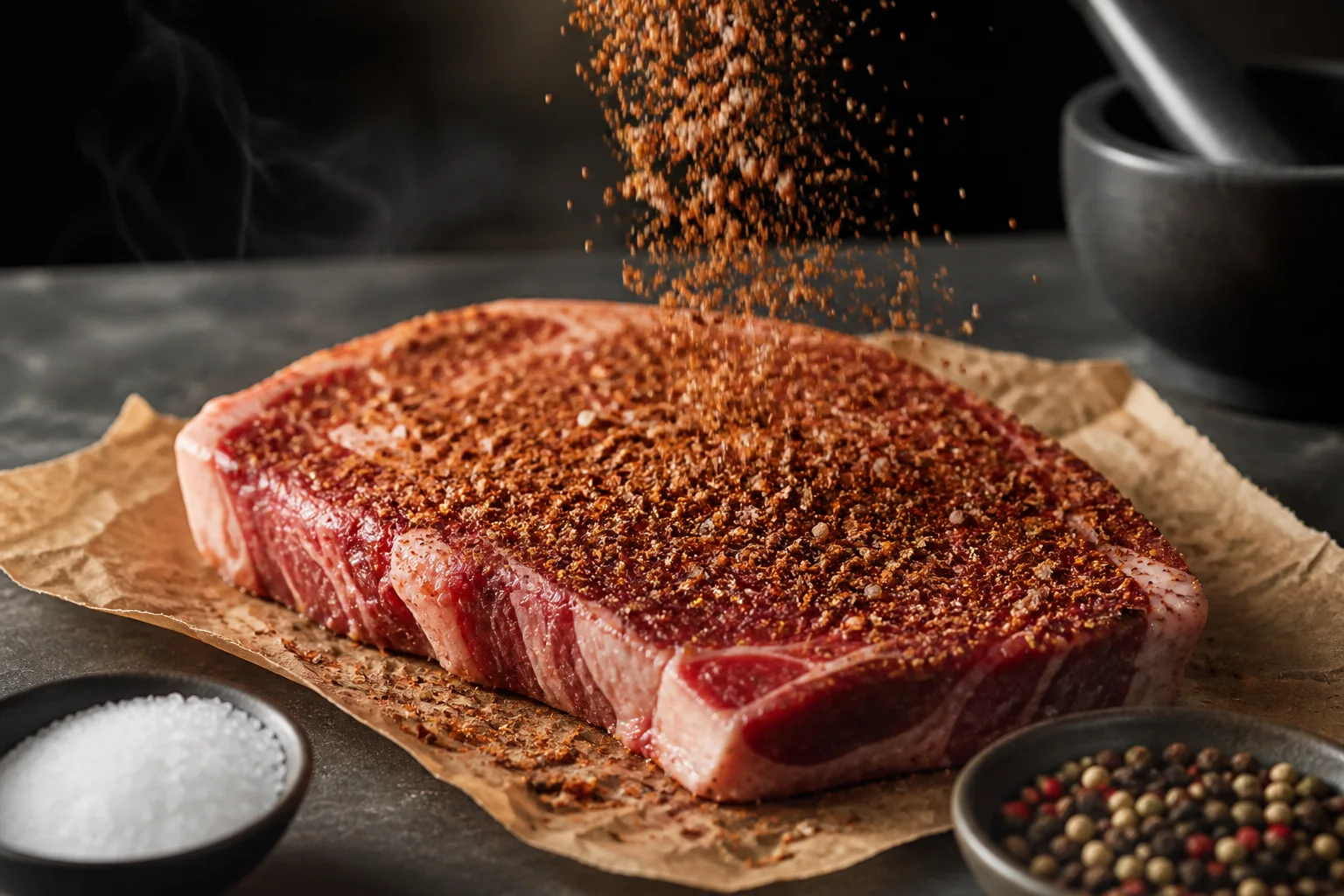
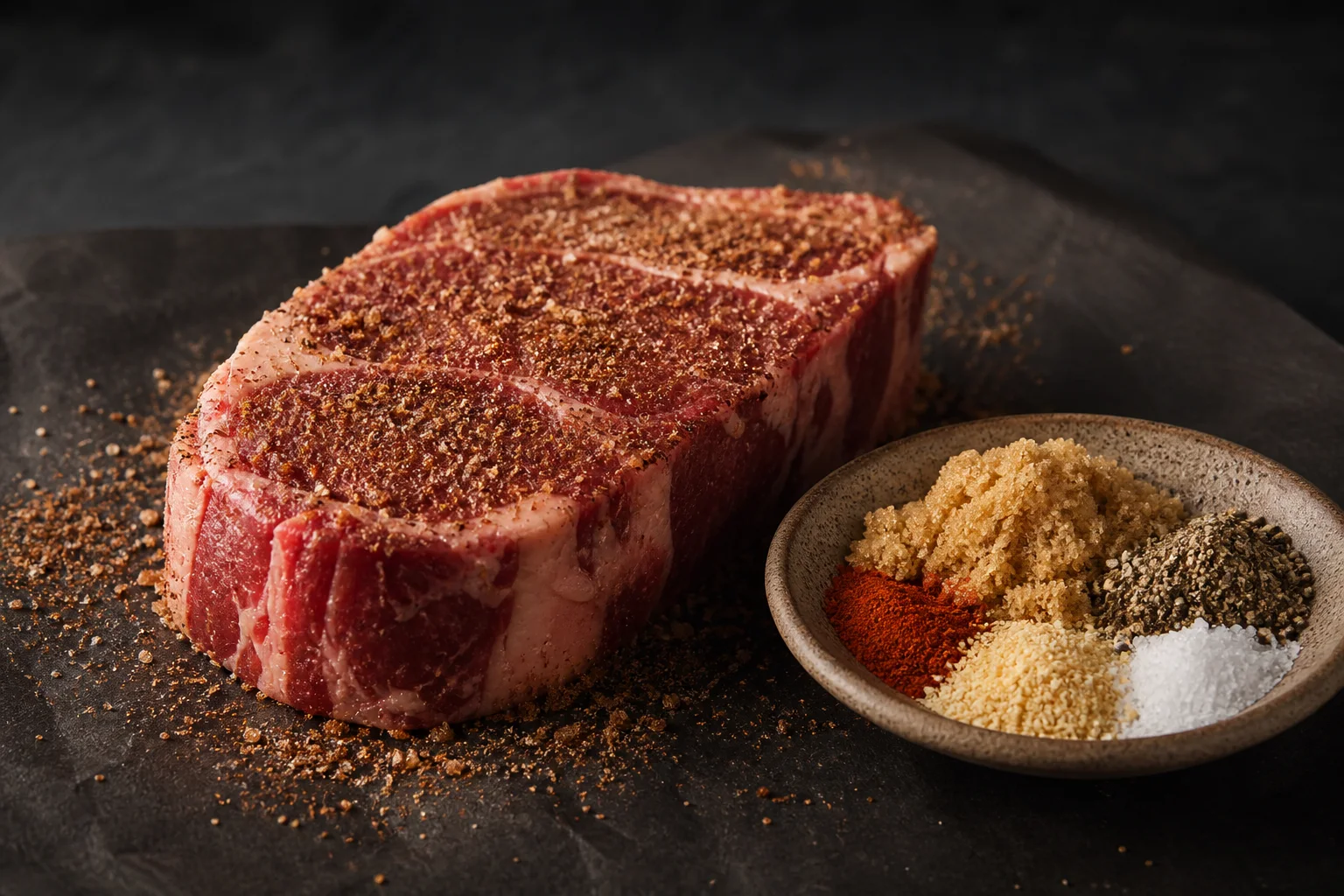
This guide uses practical kitchen measurements and identifies where a number is sourced rather than presenting one universal value. A balanced starting blend uses 2 tablespoons brown sugar, 1 tablespoon smoked paprika, 2 teaspoons black pepper, 1 teaspoon garlic powder, 1 teaspoon onion powder and optional chile; add salt separately or include 2 teaspoons kosher salt only when the entire batch and steak weight are known. Treat the figures as comparison tools for planning; use the package label or a verified database entry for the exact product you actually eat.
The Useful Comparison
| Component | Base amount | Job in the blend | Adjustment |
|---|---|---|---|
| Light brown sugar | 2 tbsp | Sweetness and surface color | Reduce for very high heat |
| Smoked paprika | 1 tbsp | Color and warm aroma | Use sweet paprika for less smoke |
| Black pepper | 2 tsp | Sharp aromatic heat | Crush coarsely for thick steaks |
| Garlic + onion powder | 1 tsp each | Savory background | Avoid fresh garlic before hard searing |
| Chile | ¼–1 tsp | Adjustable heat | Choose cayenne, chipotle or ancho |
Use about 1 to 1½ teaspoons of salt-free rub per pound as a light, even film; increase aroma with pepper or chile rather than building a thick sugar layer. The table is a starting point, not permission to ignore the steak in front of you. Fine marbling, the amount of separable fat eaten, final doneness and any oil or butter retained on the surface can move a real serving away from a reference entry.
When comparing cuts, hold the serving weight constant. When comparing meals, include the complete plate. Rice, potatoes, dressing, sugary glaze, butter and restaurant portions may contribute more variation than the difference between two lean steak cuts. For anatomy and buying terminology, begin with the steak-cuts directory before choosing a cooking method.
A Repeatable Planning Method
Mix the rub before handling beef, reserve the clean amount needed and keep the main jar away from raw-meat utensils. Build the plan before the pan gets hot. Portion the raw steak, prepare the sides, decide which ingredients will be stored separately and label containers if more than one meal is being assembled.
- Mix: Break up sugar lumps and whisk every dry ingredient until the color is uniform.
- Dry the steak: Blot every face and edge so the seasoning adheres without becoming paste-like.
- Salt deliberately: Salt by steak weight or use a known salted batch; avoid doubling salt from multiple blends.
- Apply lightly: Press on a thin coat and let it hydrate briefly rather than caking the surface.
- Control the finish: Brown over moderate heat, measure the center and finish with only the hard sear needed.
Cook sugar-coated steaks over controlled moderate heat, then use a brief hard sear. A very hot pan from the beginning can turn sugar bitter while the center remains cool. Time-per-side charts cannot account for thickness, starting temperature, cookware or burner output. For whole steaks, insert an instant-read thermometer from the side toward the coolest lean center, avoiding bone, large fat pockets and the cooking surface.
Serving, Storage and Reheating
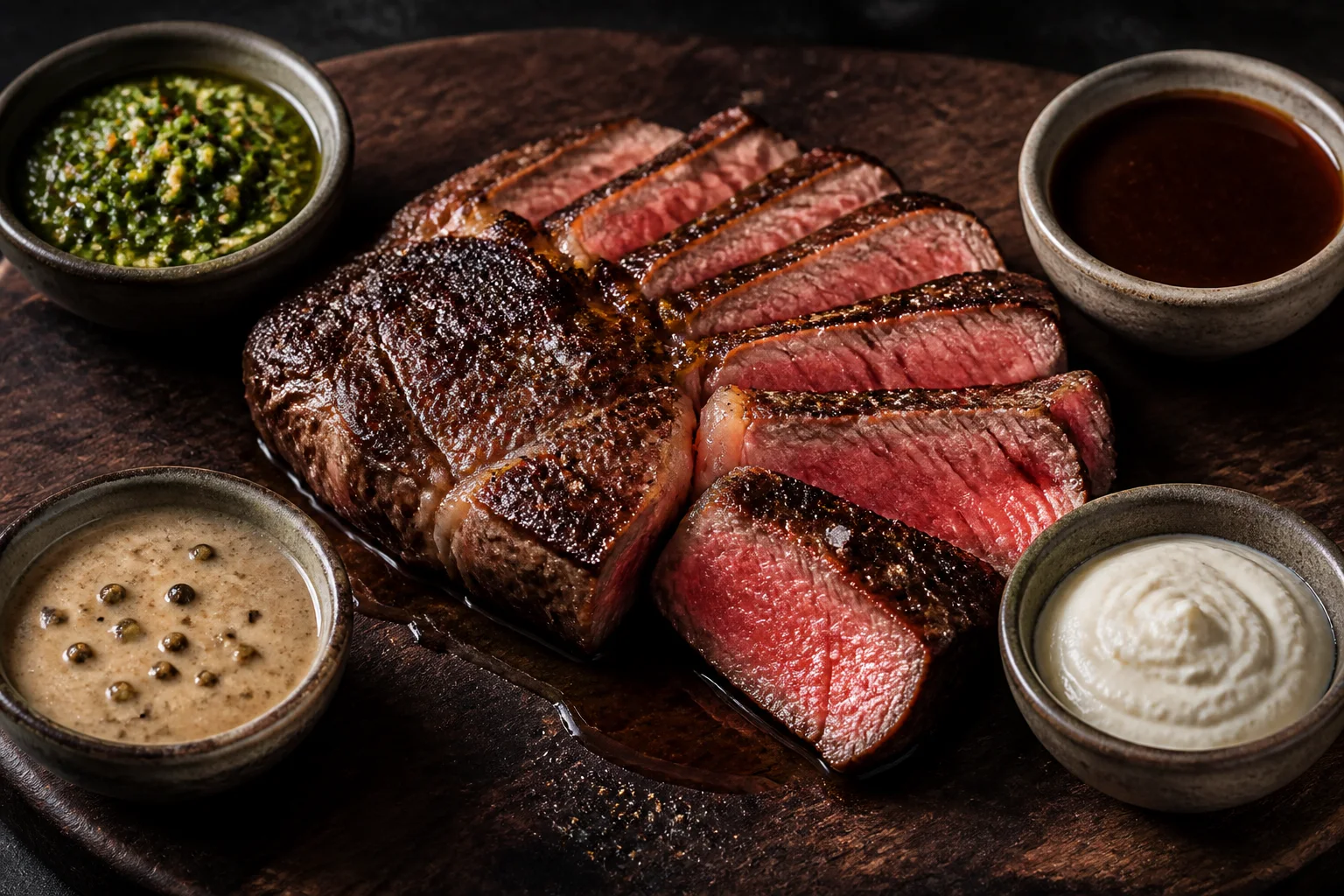
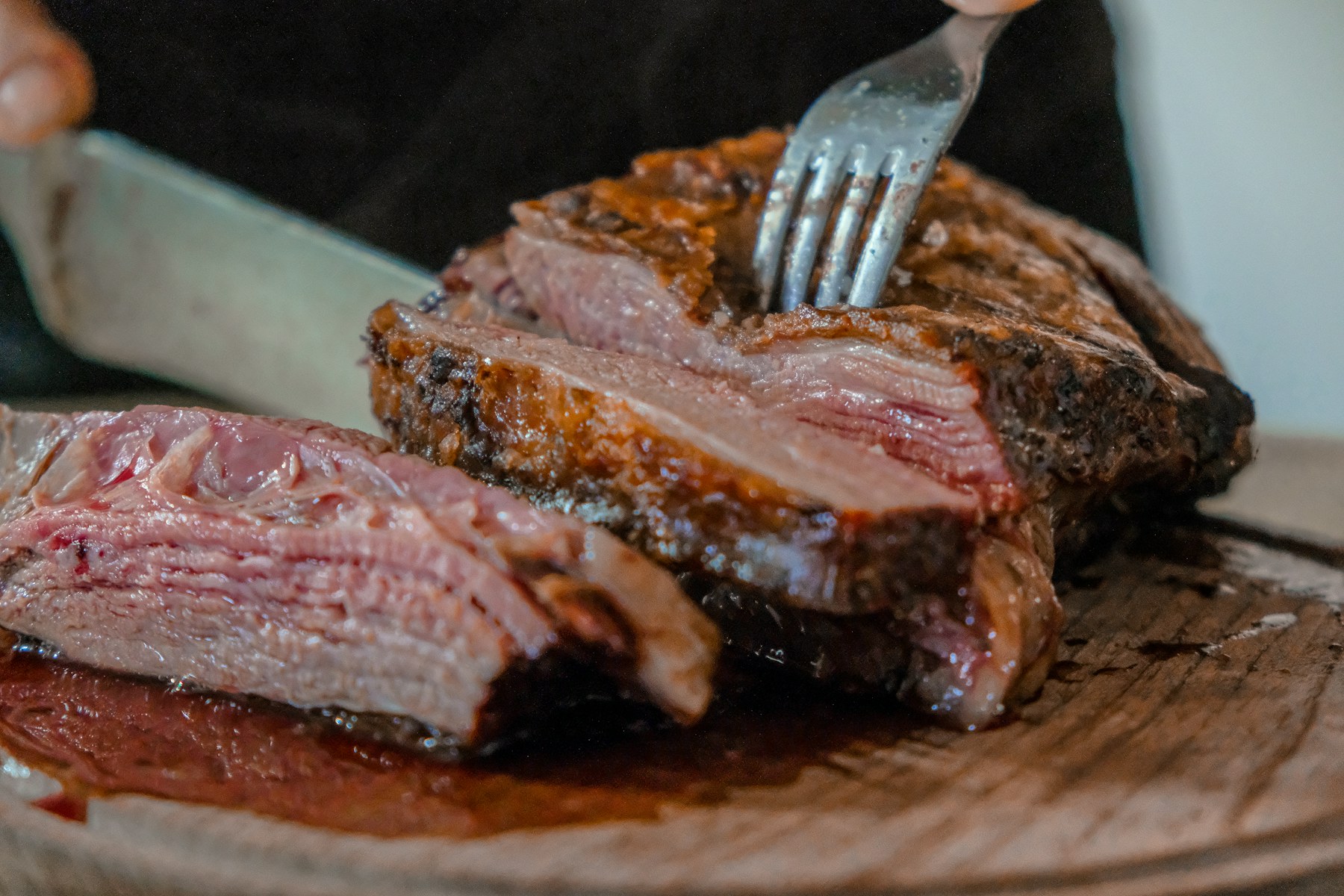
Rest, slice across the grain and pair the sweet edge with acidic slaw, mustard, lime or bitter greens rather than another heavy sweet sauce. Slice only what will be eaten immediately when possible. A larger intact piece loses less moisture in storage than a pile of thin slices, while a strongly grained cut still needs to be carved across its fibers before serving.
Keep an uncontaminated rub in an airtight labeled jar away from steam; discard any portion touched by fingers or tools that contacted raw beef. Cool cooked food promptly in shallow containers and keep wet sauce away from crisp greens, toasted toppings and roasted potatoes. Reheat only the portion needed. Gentle covered heat, a brief warm sauce bath or adding thin steak slices to an already-hot bowl usually protects the center better than repeating the original hard sear.
For a complete cooking workflow, continue with the how-to-cook-steak guide. If the plan is built around composed dinners, the steak dinner ideas hub connects bowls, salads, skillet meals and make-ahead options without turning closely related searches into competing pages.
Common Mistakes and Better Decisions
| Mistake | Why it fails | Better decision |
|---|---|---|
| Using a thick sugar crust | The outside burns early | Apply a thin even layer |
| Maximum heat from the start | Sugar blackens before the center cooks | Use staged heat |
| Fresh garlic in the rub | Small pieces scorch | Use dry powder or add fresh garlic later |
| Returning used rub to the jar | Raw-beef contamination spreads | Reserve a clean portion first |
Most disappointing results come from an undefined measurement or a sequencing problem. Decide whether the goal is a nutrition comparison, a dry rub, a pan sauce or a stored meal; then measure the variables that actually control that result. Adding more seasoning cannot correct an overcooked center, and a precise database number cannot repair an unweighed restaurant portion.
Keep a short cooking note with cut, raw and cooked weight, thickness, cooking surface, pull temperature and final yield. On the next attempt, change one variable rather than all of them. This is faster than chasing a new minute-per-side rule and produces information that belongs to your own equipment and preferred portion size.
The Bottom Line
Brown sugar can support crust and contrast, but it burns before a thick steak finishes. Use a light coating and a two-stage heat plan. Use about 1 to 1½ teaspoons of salt-free rub per pound as a light, even film; increase aroma with pepper or chile rather than building a thick sugar layer.
Use exact labels, measured edible portions and controlled cooking as the foundation. Keep claims narrow enough to support with visible evidence, and treat sauce, sides and storage as part of the result rather than afterthoughts. That framework remains useful even when a product, cut or serving size differs from the examples on this page.
Where This Guide Fits
This page supports the broader Steak Seasoning guide. Use that pillar page for the complete cut family, buying framework and links to every closely related article.
Useful next reads include Steak Rub, Ribeye Steak Seasoning, Steak Sauce, Steak Marinade, and Garlic Butter Steak Recipe for nearby cuts, methods and decisions.
Frequently Asked Questions
Does brown sugar tenderize steak?
No. It seasons and colors the surface; muscle selection, thickness, doneness and cross-grain slicing determine tenderness.
How do I stop brown sugar rub from burning?
Use a light coating, cook over controlled moderate heat and reserve the shortest high-heat stage for the end.
Can I make the rub spicy?
Yes. Add cayenne for direct heat, chipotle for smoke or ancho for a milder fruitier chile profile.
Sources & further reading
- USDA FSIS — Safe Minimum Internal Temperature Chart — Official guidance for whole beef steaks: 145°F followed by at least a three-minute rest.