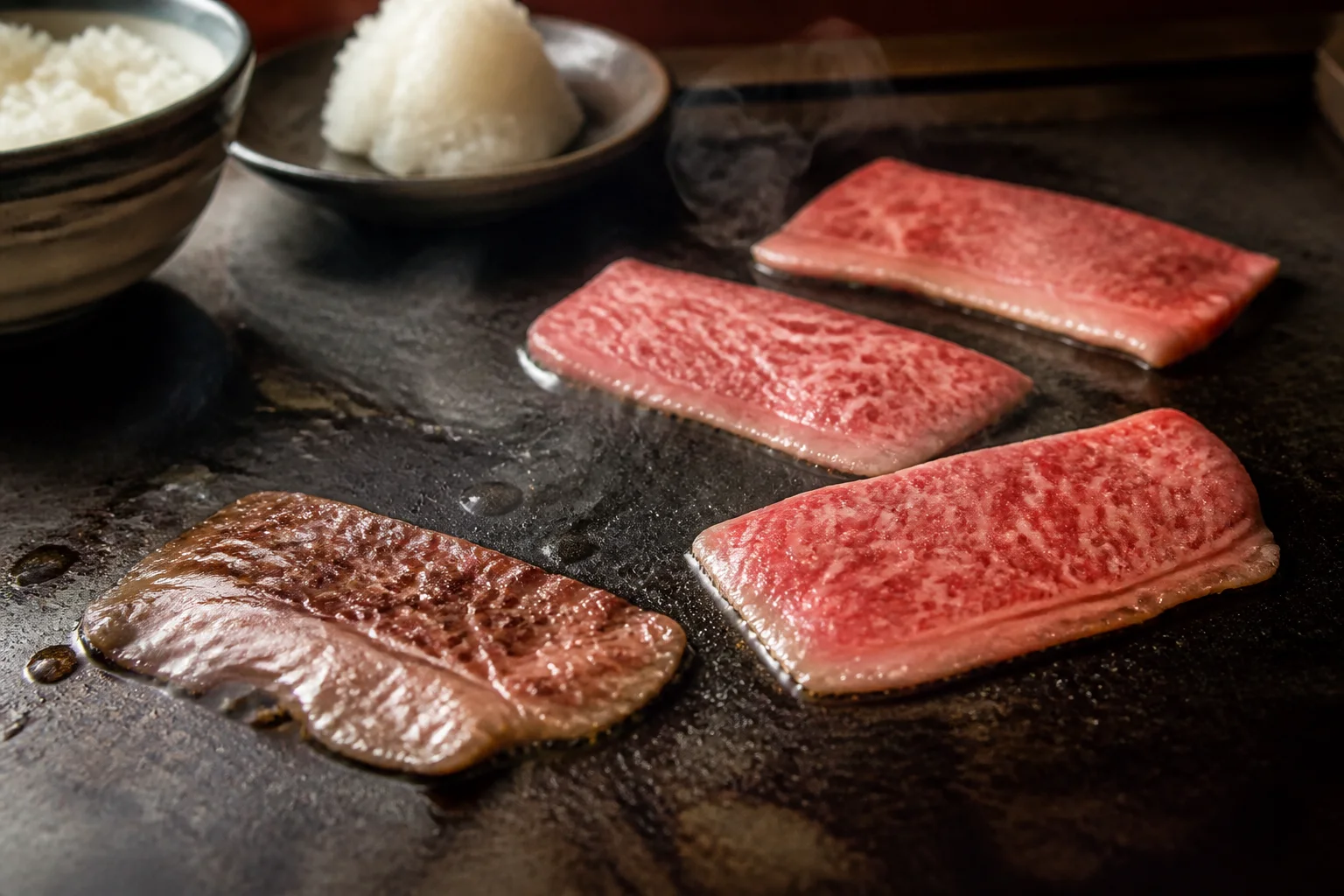
How A5 Is Built
The letter A is a yield grade, estimating the proportion of usable meat; the number 5 is the highest quality grade. Quality assessment includes marbling, meat color and brightness, firmness and texture, and fat color, luster and quality. 'A5' therefore does not simply mean 'the most marbling possible.'
The broader Wagyu steak guide explains why this Japanese grade should not be applied to American or Australian Wagyu ribeye without context.
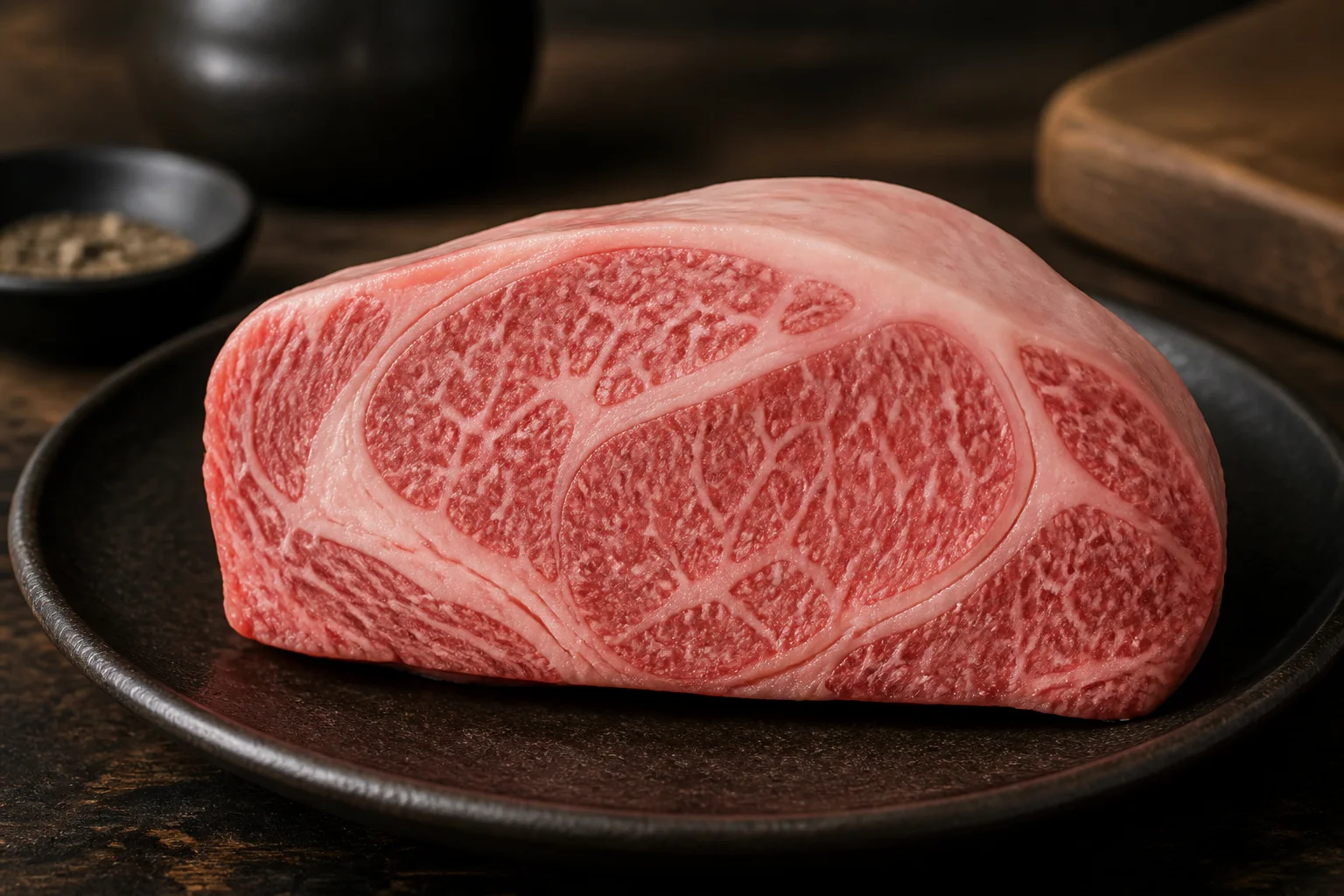
Marbling and Eating Style
Fine fat spreads through the lean and begins to soften readily. The experience is rich, sweet and tender, but a conventional 12-ounce steak portion can overwhelm. Many preparations use thin slices or a few ounces per person.
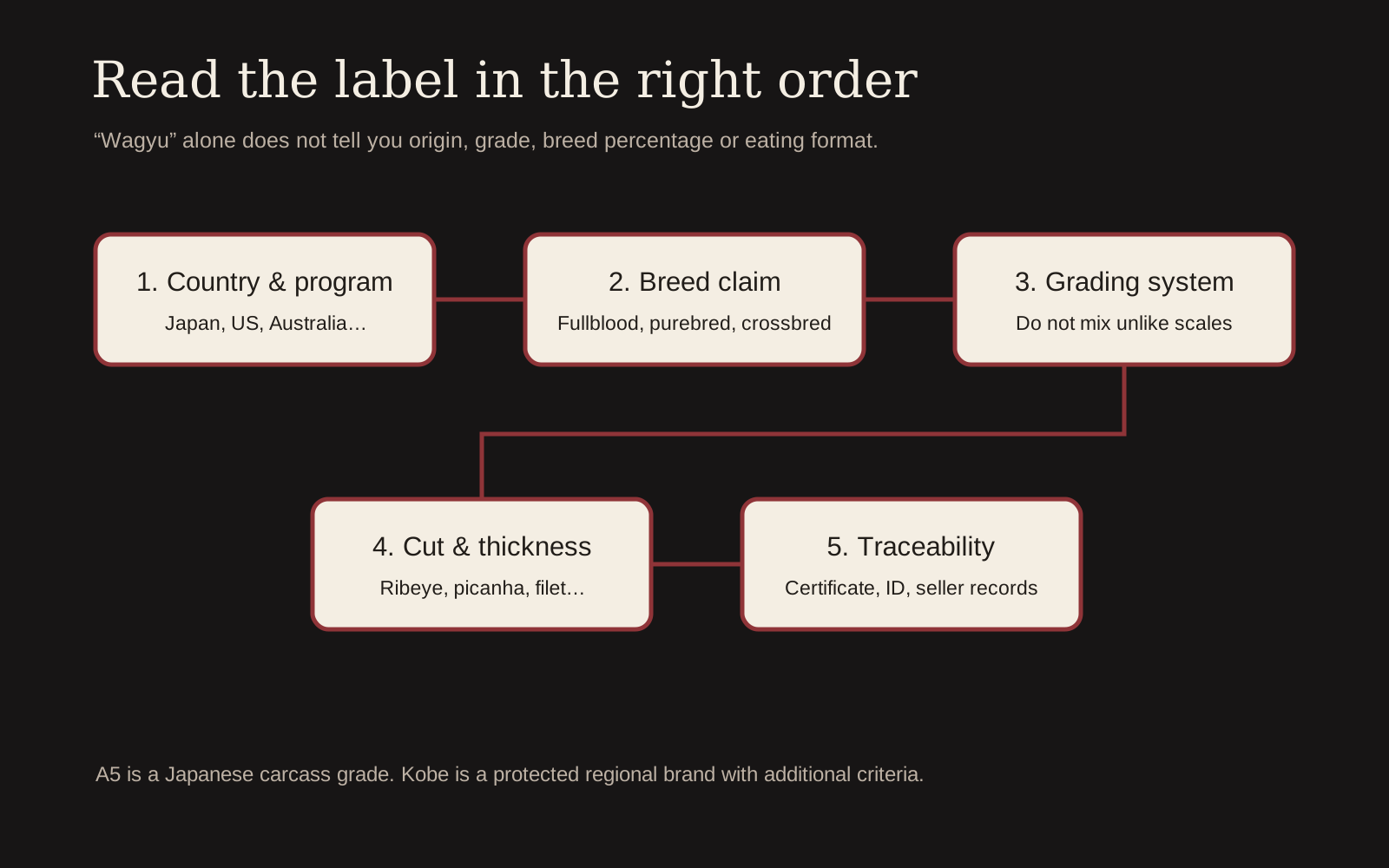
Traceability and Buying
Look for country of origin, prefecture or brand claims where relevant, cut, grade and individual identification information. Kobe is not a nickname for A5; it is a separate certified regional brand. If documentation is vague, do not fill the gap with the seller's adjectives.
How to Cook A5
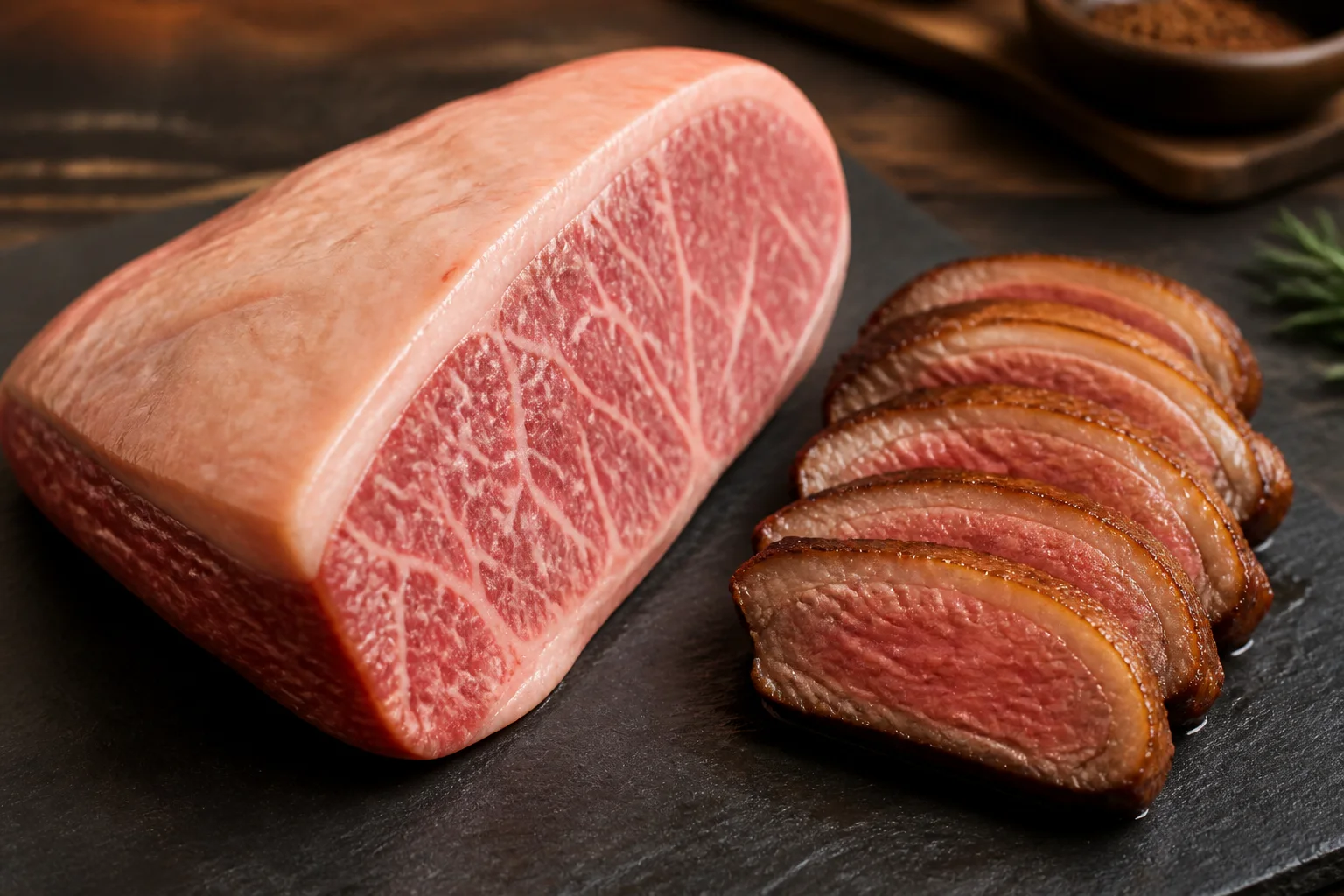
Cut into small strips or bite-size portions and sear on a clean hot griddle or pan. Season lightly with salt. Work in batches so pieces are served warm and rendered fat does not pool around uncooked meat. Avoid butter—the beef supplies more than enough fat.
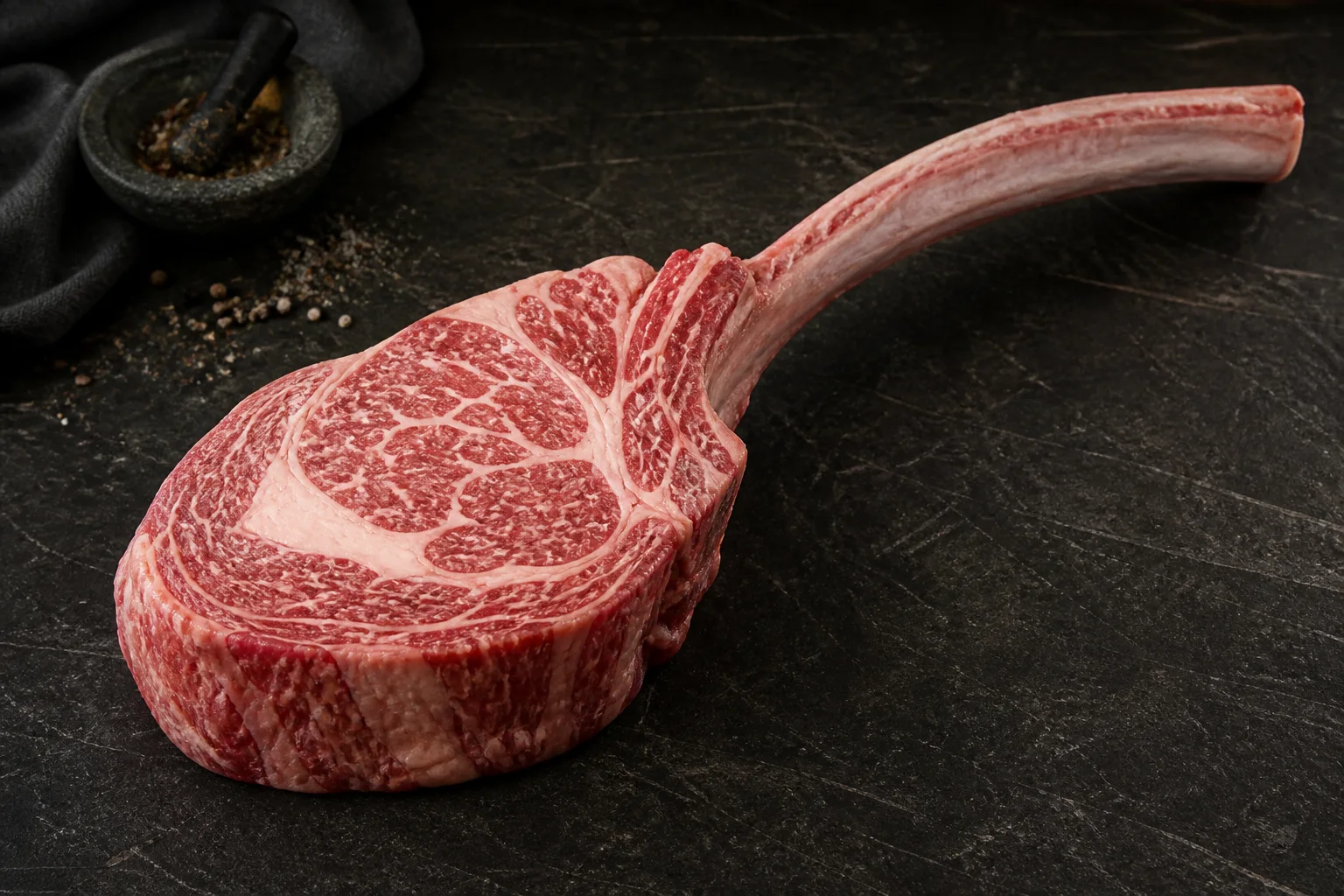
For a familiar thick-steak format with less extreme marbling, compare Wagyu picanha or a crossbred Wagyu tomahawk. For doneness and official food-safety context, use the temperature guide.
What to Serve With It
Plain rice, citrus, grated daikon, pickled vegetables, crisp greens and light soy-based dipping sauces cut the richness. Offer a few pieces at a time, with warm plates and a clean palate between bites.
Plan an A5 Tasting, Not a Giant Steak
Treat A5 as one rich course in a meal. Portion the beef cold, when fine marbling is firm enough for clean slices, then let pieces lose the refrigerator edge only while the griddle heats. Cook a few at a time and serve immediately; a platter of cooling A5 quickly becomes waxy.
Use the first batch to adjust contact time. A thin slice may need only seconds per side, while a small cube benefits from browning more than one face. Wipe the pan between batches if pooled fat begins frying the next pieces. Save rendered fat for rice or vegetables only if it remains clean and has been handled safely.
Offer plain salt first, then optional ponzu, wasabi, citrus or grated daikon. Strong sweet sauce can erase the distinctions that justified certified beef. If guests want a conventional steak portion and crust, a moderately marbled American or Australian Wagyu ribeye may match that intention better than A5.
How the A and 5 Work Together
The letter is the yield grade, an estimate related to the amount of usable meat from the carcass. The number is the quality grade. A5 combines yield grade A with quality grade 5; it is not shorthand for “five levels of marbling.”
Quality evaluation considers marbling, meat color and brightness, firmness and texture, and fat color, luster and quality. The final quality grade is constrained by the lowest of those evaluated characteristics. That structure is why a photograph of striking marbling does not provide the complete grade.
| Part of mark | Meaning | Common misunderstanding |
|---|---|---|
| A | Highest yield-grade category in the Japanese system | Not a flavor score |
| 5 | Highest quality-grade category | Not based on marbling alone |
| BMS reference | Marbling assessment within quality evaluation | Not exactly interchangeable with other countries' scales |
Verify Japanese Origin and Traceability
Buy from a seller that can connect the package to Japanese origin, grade and individual identification or certificate records. The exact documentation format varies by market and distribution chain, but the answer should be more specific than “Japanese-style” or “A5 quality.”
Regional brands add criteria beyond Wagyu and grade. Kobe is one such protected brand and not every A5 carcass qualifies. Conversely, excellent A5 beef can come from other prefectures and brands. Treat producer and region as additional facts rather than a substitute for the grade.
When ordering online, save the listing, certificate images and delivery policy. Check net weight and cut thickness because small A5 portions are normal and often more appropriate than a large Western steak.
Cook A5 as a Sequence of Small Bites
Chill the beef until firm enough to portion cleanly, then cut only what will be cooked in the next batch. A dry heavy pan or plancha over medium-high heat should brown the surface rapidly. Add no oil initially; the first pieces will release ample fat.
Cook thin slices for seconds per face or brown several sides of a small cube. Wipe the pan when fat or browned protein accumulates so later batches sear rather than fry. Serve immediately with plain salt first, then optional citrus, wasabi, ponzu or grated daikon.
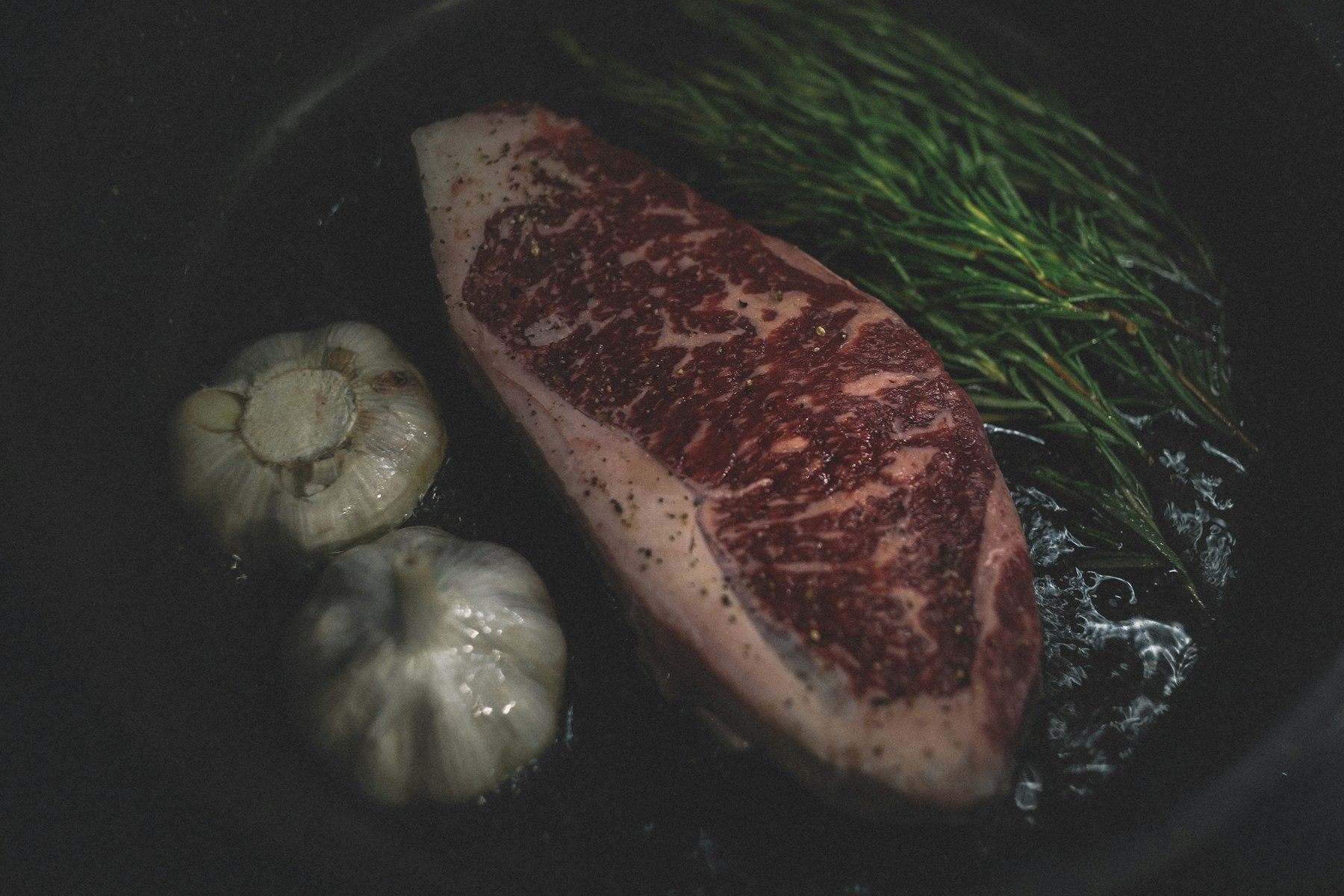
Store and Thaw With the Documentation Intact
Keep the product within the seller's cold-chain instructions and retain the label with any identification information. Thaw frozen beef in the refrigerator on a tray, still protected from air. Do not use a long counter thaw for an expensive, highly perishable product.
Once portioned, minimize repeated warming and cooling. Cooked leftovers lose much of the immediate aroma and texture that justify A5. Buy a portion matched to the meal rather than planning ordinary steak-sized leftovers.
Order A5 Without Turning the Grade Into Theater
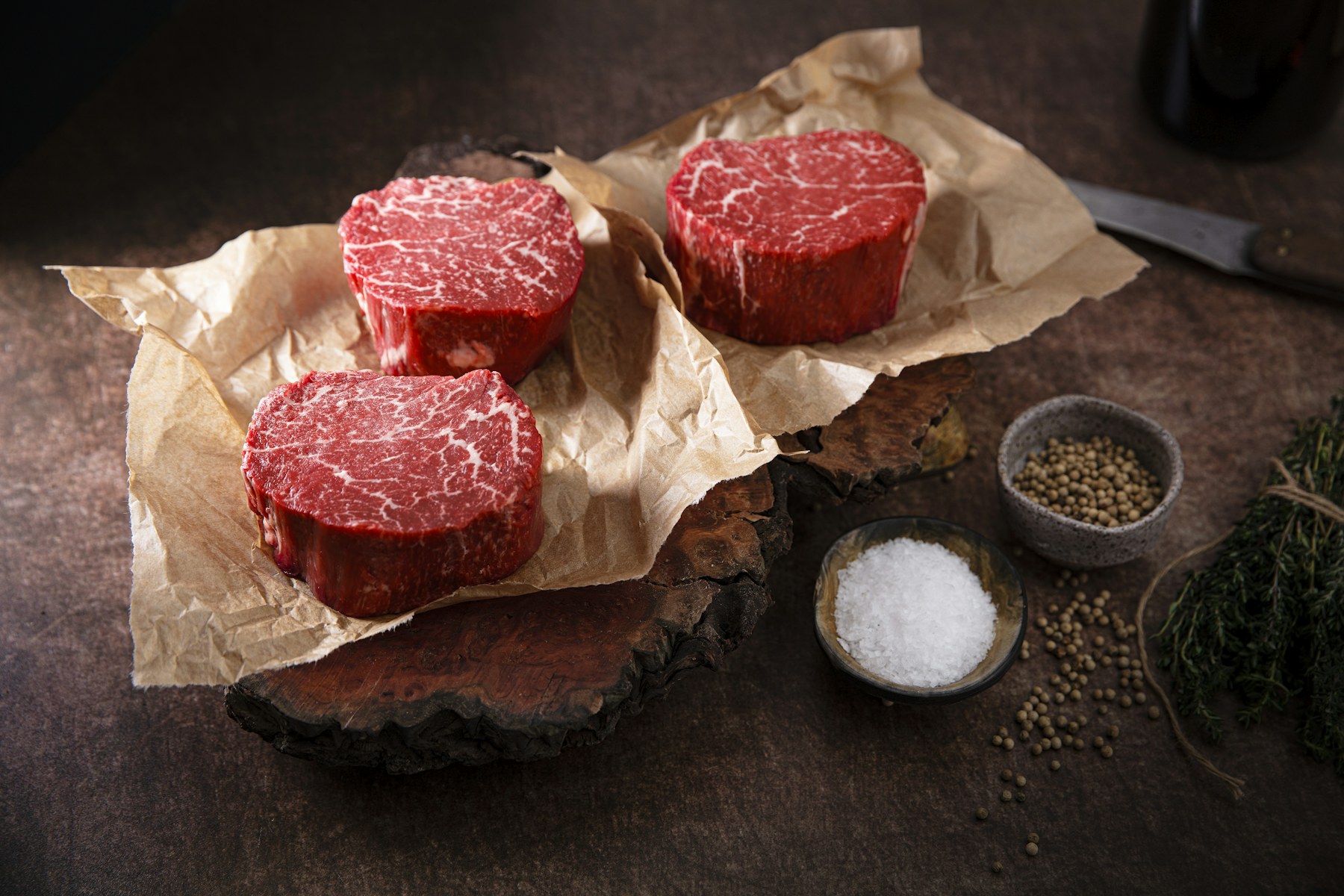
Choose the cut and grams per diner before selecting a regional story. Ribeye emphasizes marbling, strip is firmer, and tenderloin is fine-textured but can make less sense if the goal is to experience abundant fat. Ask how the restaurant or seller will portion and cook it.
A certificate is useful only when it connects to the product. It should not become a substitute for proper cold-chain handling, clean batch cooking and immediate service. The best presentation lets diners taste the beef, then explains provenance without inventing health or rarity claims.
A5 Wagyu Steak: Grade, Cut and Portion Are Separate
A5 Wagyu steak combines a Japanese carcass grade with a retail cut. The grade does not tell you whether the portion is ribeye, strip, tenderloin, sirloin or a thin yakiniku slice. Those geometries render and brown differently even when their documentation carries the same A5 designation.
For a fair price comparison, hold the cut, origin, brand or prefecture, weight and trim constant. A low per-ounce price can reflect a small end piece, heavy exterior fat, a secondary cut or missing traceability; a high one does not guarantee better fabrication.
- Verify the ID. Match traceability information to the seller's documentation.
- Name the cut. A5 is not a muscle.
- Size the portion. Rich marbling is better served in smaller tasting portions than a conventional steakhouse ribeye.
- Control heat. Render without allowing flare-ups or burnt fat to dominate.
Where This Guide Fits
This page supports the broader Wagyu Steak guide. Use that pillar page for the complete cut family, buying framework and links to every closely related article.
Useful next reads include Wagyu Ribeye, Wagyu Picanha, Wagyu Tomahawk Steak, Ribeye Steak, and Picanha Steak for nearby cuts, methods and decisions.
Frequently Asked Questions
Does A5 mean purebred Wagyu?
A5 is a carcass grade. Japanese Wagyu breed eligibility and traceability are separate parts of the product identity.
Is A5 always Kobe beef?
No. Kobe is a specific regional certification. A5 beef can come from other eligible Japanese production regions.
How much A5 should one person eat?
A few ounces is often enough because of the intense marbling. Serve as a tasting portion and adjust to the rest of the meal.